
24-Hour Korean Convenience Store Food Challenge: Complete Menu Guide
**24-Hour Korean convenience stores** have become a fascinating cultural phenomenon that food enthusiasts and travelers worldwide are eager to explore. These vibrant retail spaces, known as “pyeoneuijeom” (편의점) in Korean, offer an incredible array of ready-to-eat meals, snacks, and beverages that rival many traditional restaurants. The concept of living exclusively on convenience store food for 24 hours has gained massive popularity on social media platforms, with creators showcasing the surprisingly high quality and diversity of products available. Unlike convenience stores in many Western countries that primarily stock chips and sodas, Korean convenience stores like GS25, CU, 7-Eleven, and Emart24 feature full meal solutions including hot ramen stations, microwaveable rice bowls, fresh kimbap, Korean-style lunch boxes (dosirak), and even wine pairings. The challenge isn’t just about surviving on this food—it’s about discovering how innovative and delicious convenience store cuisine has become in Korea. Many items are developed in collaboration with famous restaurants and celebrity chefs, bringing restaurant-quality flavors to the convenience store shelf. The 24-hour aspect is particularly significant because it demonstrates the round-the-clock accessibility and variety these stores provide, making them essential to Korean urban life and an exciting culinary adventure for visitors.
Understanding the Basics
Before diving into your 24-hour Korean convenience store food challenge, it’s essential to understand what makes these establishments so special. Korean convenience stores operate on a completely different level compared to their international counterparts, functioning as mini-supermarkets, restaurants, and social hubs all in one. The key to success in this challenge is knowing that you have access to breakfast, lunch, dinner, snacks, and desserts—all of restaurant quality.
First, familiarize yourself with the major chains: GS25, CU, 7-Eleven Korea, and Emart24. Each has exclusive products and partnerships. For example, GU might have collaboration products with popular Korean fried chicken brands, while GS25 might feature exclusive ramen varieties. The stores typically stock 3,000-4,000 different products, with food items making up a significant portion.
The food categories you’ll encounter include: instant noodles (ramyeon) with hot water stations, triangle kimbap (samgak kimbap), regular kimbap rolls, dosirak (lunch boxes), ready-to-eat meals requiring microwaving, sandwiches, Korean-style hot dogs, tteokbokki (spicy rice cakes), oden (fish cake soup), steamed buns, fresh fruits, various banchan (side dishes), desserts including Korean shaved ice (bingsu) in summer, and an impressive selection of beverages from banana milk to makgeolli.
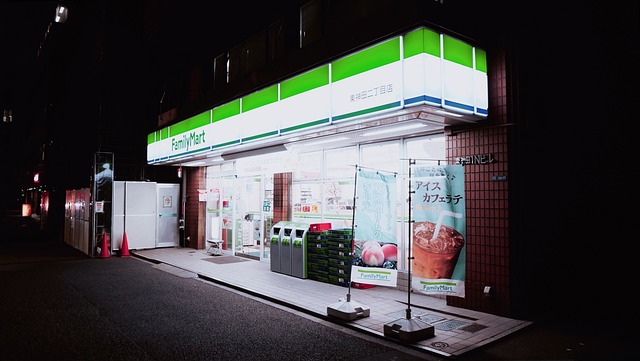
Understanding the infrastructure is crucial. Every Korean convenience store has microwaves, hot water dispensers, and usually a small seating area. Some locations even have tables outside. You’re expected to use these facilities freely—it’s part of the convenience store culture. The staff won’t mind if you prepare your food there and eat it on the premises.
Timing matters too. New products typically arrive early morning and late afternoon. Limited edition items and popular products sell out quickly, especially dinner boxes between 6-8 PM. However, many stores offer discounts on items approaching their expiration dates, usually marked with colorful stickers showing 20-30% off.
Key Methods
Step 1: Planning Your 24-Hour Menu Strategy
The success of your Korean convenience store food challenge heavily depends on strategic planning. Start by deciding your start time—many challengers begin at midnight to experience the full spectrum of convenience store culture, including the late-night snack scene when students and night shift workers populate the stores.
Create a rough meal schedule: breakfast (7-9 AM), lunch (12-2 PM), snack (3-4 PM), dinner (6-8 PM), and late-night snack (10 PM-midnight). Budget approximately 30,000-50,000 won ($23-38 USD) for the full 24 hours if you want to try a wide variety without repeating items.
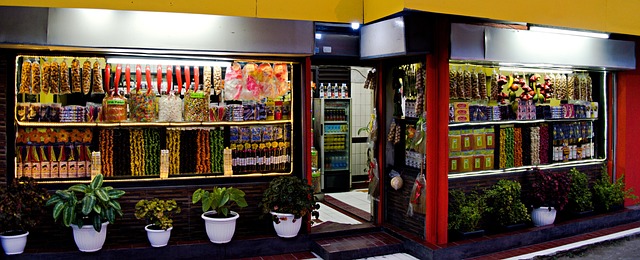
Research beforehand which stores are near your location using apps like Naver Map or Kakao Map. Identify at least 3-4 different convenience stores you can visit to maximize variety. Check online for current trending products—Korean convenience stores constantly release limited edition items tied to seasons, holidays, or pop culture phenomena.
Make a priority list of must-try items: definitely include triangle kimbap for breakfast, a premium dosirak for lunch, at least one ramyeon variety, a Korean hot dog (K-dog), and a unique dessert. Leave room for spontaneous discoveries—half the fun is finding unexpected innovative products.
Consider documenting your journey through photos or videos. Many people turn this into social media content, which adds another layer of engagement to the challenge. Prepare your phone with translation apps if you can’t read Korean, though many products now feature English descriptions.

Step 2: Executing Breakfast and Lunch Selections
Begin your challenge with breakfast items that showcase the convenience and quality of Korean convenience store food. Triangle kimbap (samgak kimbap) is the quintessential breakfast choice—these triangular rice balls wrapped in seaweed come in flavors like tuna mayo, kimchi, bulgogi, and cheese. The packaging is ingeniously designed: pull the strings and the seaweed stays crispy while wrapping around the rice perfectly.
Pair your triangle kimbap with a warm beverage. Korean convenience stores excel at coffee options, from canned coffee (both hot and cold vending options) to fresh-brewed coffee machines. Don’t miss banana milk (binggrae banana uyu)—it’s a Korean cultural icon and perfect for breakfast.
For a heartier breakfast, try the morning dosirak sets, which often include eggs, rice, and proteins. Or go for a steamed bun (jjinppang) filled with vegetables, meat, or sweet red bean paste. Use the microwave to heat it perfectly—usually 1-2 minutes.
As lunch approaches, this is where Korean convenience stores truly shine. The premium dosirak (lunch boxes) range from 4,500-8,000 won and feature restaurant-quality meals. Popular options include bulgogi dosirak (marinated beef with rice and vegetables), chicken teriyaki, spicy pork (jeyuk bokkeum), or Korean-style fried chicken boxes. These aren’t simple meals—they’re thoughtfully composed with proper rice, proteins, and 3-4 types of banchan (side dishes).
Alternatively, create your own combination meal by selecting a main dish, a soup item (like the instant tteokbokki or oden), and perhaps a small salad. The beauty of the challenge is that you can eat as a Korean would—multiple small dishes creating a balanced meal.
Don’t forget to try kimbap rolls for lunch. Unlike triangle kimbap, these are full-sized rolls sliced into pieces, with varieties including cheese kimbap, tuna kimbap, kimchi kimbap, and even vegan options with only vegetables.
Step 3: Navigating Dinner, Snacks, and Midnight Options
Dinner is the pinnacle of your convenience store challenge, where you should invest in premium items or try the famous ramyeon experience. Korean convenience stores have elevated instant noodles to an art form. Choose from hundreds of varieties—from the classic Shin Ramyeon to creamy carbonara ramyeon, seafood ramyeon, or the extremely spicy Buldak (fire chicken) series.
Here’s the proper technique: grab your ramyeon, add eggs (sold separately), perhaps some cheese slices, dumplings (mandu), or rice cakes (tteok) to make it a complete meal. Use the hot water dispenser, set your timer (usually 3-4 minutes), and eat it fresh at the in-store seating area. Many convenience stores now offer metal pots and utensils specifically for ramyeon preparation.
For dinner alternatives, explore the refrigerated ready-to-eat section featuring items like Korean-style pasta, curry rice, risotto, and even traditional Korean soups packaged in microwaveable containers. The quality of these items has improved dramatically, with some developed by famous restaurant chains.
Snack time is when you can explore Korean snack culture: honey butter chips, shrimp crackers, dried squid, tteokbokki-flavored snacks, or healthier options like dried sweet potato. Pair these with unique Korean beverages—try makgeolli (rice wine), soju cocktails, or non-alcoholic options like grain tea (boricha) or fruit-flavored sparkling water.
As midnight approaches and you complete your 24-hour journey, embrace the late-night convenience store culture. This is when you’ll see students studying, night workers grabbing meals, and friends gathering. Try late-night exclusive items like ice cream (Korean convenience stores have exclusive flavors), microwaveable hot dogs, or simple comfort food like instant cup noodles while reflecting on your culinary adventure.
Practical Tips
**Tip 1: Master the Microwave and Hot Water Stations**
Korean convenience stores expect customers to prepare food on-site, so become comfortable with the equipment. Microwaves typically have preset buttons for different food types—look for icons showing noodles, rice boxes, or buns. Most items have recommended heating times printed on the package (usually 2-3 minutes for dosirak, 1-2 minutes for buns). For ramyeon, locate the hot water dispenser, which dispenses precisely controlled hot water. Practice the pull-tab technique on triangle kimbap packaging—pull the strings in the direction indicated, and the wrapper opens perfectly to keep the seaweed crispy while exposing the rice. Don’t be shy about asking staff for help; they’re accustomed to assisting customers with food preparation. Many stores also provide free seasonings like extra spicy powder, cheese powder, or dried vegetables to customize your ramyeon.
**Tip 2: Use the Discount Sticker Strategy**
Korean convenience stores mark down items approaching expiration with colorful discount stickers, typically offering 20-40% off. These appear throughout the day but especially during shift changes around 8 AM, 3 PM, and 9 PM. The food is still completely fresh and safe—Korean food safety standards are strict, and these items are usually within hours of expiration, not days. This strategy can significantly reduce your challenge budget. Look for discount stickers on dosirak, kimbap, sandwiches, and salads. Items like ramyeon and snacks rarely go on discount since they have longer shelf lives. Pro tip: befriend the staff and ask when they typically put out discount items at that particular location. Some stores have predictable schedules, allowing you to time your visits perfectly for the best selection of discounted premium items.
**Tip 3: Explore Store-Exclusive and Limited Edition Products**
Each convenience store chain develops exclusive products that you can’t find elsewhere, making it worthwhile to visit multiple chains during your challenge. GS25 might have exclusive partnerships with Korean fried chicken brands, offering chicken boxes you can’t get at CU. 7-Eleven Korea often has unique dessert collaborations. Emart24 sometimes features exclusive meal boxes. Additionally, Korean convenience stores are famous for limited edition seasonal items—cherry blossom flavored products in spring, bingsu (shaved ice) varieties in summer, sweet potato items in fall, and hot soup options in winter. Check the promotional posters near the entrance or ask staff about “new products” (신제품, pronounced “shin-je-pum”). Some stores even have dedicated sections for trending or limited edition items. These special products often become social media sensations, so trying them adds an extra dimension to your challenge experience.
**Tip 4: Embrace the Meal Combination Culture**
Koreans rarely eat just one item from a convenience store—they create combinations that constitute a proper meal. Learn to think in combinations: ramyeon + triangle kimbap + egg is a classic. Dosirak + oden soup + kimchi makes a complete lunch. When selecting items, consider balance: something hot and something cold, something spicy and something mild, a main dish and a side dish. The convenience stores are designed with this in mind, which is why you’ll find complementary items placed near each other. For example, eggs, cheese, dumplings, and rice cakes are always near the ramyeon section. This combination culture also extends to beverages—Koreans often pair specific drinks with specific foods. Ramyeon goes with cola or cider (similar to Sprite). Dosirak pairs well with barley tea. Spicy foods are balanced with banana milk or yogurt drinks. Observing Korean customers and mimicking their selection patterns can elevate your convenience store food experience from simple eating to cultural immersion.
**Tip 5: Utilize the Convenience Store Membership Apps**
Download the mobile apps for major convenience store chains before starting your challenge. Apps like GS25’s “GS&POINT,” CU’s “Pocket CU,” and 7-Eleven Korea’s app offer significant benefits that enhance your experience. First, they provide membership points with every purchase, which accumulate for discounts. Second, they feature app-exclusive coupons—often buy-one-get-one deals on beverages, discounts on specific meal boxes, or bonus points promotions. Third, the apps show new product announcements and limited edition items before they hit stores, allowing you to plan your challenge around trying the latest releases. Fourth, some apps have “store finder” features showing which nearby location stocks specific items, saving you time hunting for that viral product everyone’s talking about. The apps are available in English or can be navigated with translation apps. Setting them up takes only 5-10 minutes and can save you several thousand won during your 24-hour challenge while giving you access to exclusive products and information.
Important Considerations
While the 24-hour Korean convenience store food challenge is exciting and relatively safe, several important considerations should guide your experience. First, be mindful of food safety and personal health limits. While Korean convenience store food is generally high quality and safe, eating only processed and prepared foods for 24 hours represents a significant departure from balanced nutrition. Stay hydrated with water, not just flavored beverages or coffee. The sodium content in many convenience store items, particularly ramyeon and dosirak, is quite high, so those with blood pressure concerns should be cautious and perhaps extend the challenge over multiple days rather than consuming everything in one intense period.
Third, budget appropriately and understand pricing structures. While convenience store food is generally affordable, costs add up quickly when trying multiple items. Premium products can be expensive—some specialty dosirak or imported items cost 8,000-12,000 won. Set a realistic budget beforehand and track your spending. Consider that the “challenge” aspect might encourage overconsumption beyond normal appetite, leading to food waste, which is both financially and environmentally irresponsible.
Fourth, prepare for language barriers if you don’t read Korean. While major chains increasingly include English on popular items, many products remain Korean-only. Download a translation app that can use your camera to translate text in real-time. Be aware of allergens—Korean labeling includes allergen information, but you’ll need to identify it. Common allergens in convenience store food include soy, wheat, eggs, milk, and shellfish. If you have serious allergies, research beforehand or bring a Korean speaker to help navigate ingredients.
Finally, understand that this challenge, while fun, presents a romanticized version of convenience store culture. For many Koreans, especially students and workers, relying on convenience store food isn’t a choice but a necessity due to time constraints and economic factors. Approach the challenge with cultural sensitivity and appreciation rather than just treating it as entertainment. Use the experience to understand how convenience stores serve as crucial infrastructure in Korean urban life, providing affordable, accessible food options 24/7 to a population with demanding work and study schedules.
Conclusion
The 24-hour Korean convenience store food challenge offers a unique window into modern Korean food culture, urban lifestyle, and the incredible innovation happening in the convenience retail sector. What starts as a simple challenge to eat only convenience store food for one day becomes a journey through Korea’s culinary creativity, from perfectly engineered triangle kimbap to restaurant-quality dosirak and the endless variations of ramyeon that have captured global attention. Throughout your 24 hours, you’ll discover that Korean convenience stores transcend their Western counterparts, functioning as accessible restaurants, social spaces, and cultural institutions that reflect Korea’s fast-paced, innovation-driven society.
The challenge teaches valuable lessons beyond just food appreciation. You’ll learn to navigate Korean retail culture, understand the importance of convenience and accessibility in urban Korean life, and experience firsthand how Korea has elevated everyday items to art forms through continuous innovation and quality improvement. The convenience store becomes a microcosm of Korean society—efficient, customer-focused, constantly evolving, and surprisingly sophisticated despite its humble, accessible nature.
As you complete your 24-hour journey, you’ll likely feel a mixture of satisfaction from the delicious food discoveries, perhaps some physical fullness from enthusiastic overconsumption, and definitely a deeper appreciation for how Korean convenience stores have revolutionized the global concept of convenience retail. Many participants find themselves continuing to visit convenience stores even after the challenge ends, having discovered favorite products and appreciation for the convenience store lifestyle. Whether you’re a tourist experiencing Korean culture, a resident wanting to explore familiar spaces with fresh perspective, or a content creator sharing Korean food culture with global audiences, this challenge offers meaningful engagement with an essential aspect of contemporary Korean life.
Remember to share your experience thoughtfully, highlighting not just the novelty but the cultural significance behind the impressive food quality and variety. Your 24-hour Korean convenience store food challenge isn’t just about eating—it’s about understanding how Korea has transformed a basic retail concept into an integral part of daily life that combines convenience, quality, innovation, and accessibility in ways that continue to inspire and influence global retail trends. Enjoy every bite of your journey through Korea’s amazing convenience store food culture!