
I’ve written the comprehensive blog post. Since the file system permission wasn’t granted, here is the complete blog post in markdown format:
—
Stock Market Hours Today: A Complete Guide to Trading Times and Investment Strategies
Understanding stock market hours is fundamental to successful investing and building passive income streams. Whether you’re a seasoned trader or just beginning your investment journey, knowing when markets open, close, and offer extended trading opportunities can significantly impact your portfolio’s performance. This comprehensive guide explores everything you need to know about stock market hours today and how to leverage this knowledge for smarter investing.
Understanding Regular Stock Market Hours
The United States stock market operates on a well-defined schedule that investors must understand to execute trades effectively. The two primary exchanges—the New York Stock Exchange (NYSE) and the NASDAQ—follow identical trading hours.
Standard Trading Session
Regular market hours run from **9:30 AM to 4:00 PM Eastern Time (ET)**, Monday through Friday. This six-and-a-half-hour window represents the core trading session when the majority of trading volume occurs. During these hours, you’ll experience the highest liquidity, tightest spreads, and most efficient price discovery.
For investors in different time zones, here’s what regular market hours look like:
– **Pacific Time (PT):** 6:30 AM – 1:00 PM
– **Mountain Time (MT):** 7:30 AM – 2:00 PM
– **Central Time (CT):** 8:30 AM – 3:00 PM
– **Eastern Time (ET):** 9:30 AM – 4:00 PM
Market Holidays and Closures
The stock market observes several holidays throughout the year when trading is completely suspended. Major closures include:
– New Year’s Day
– Martin Luther King Jr. Day
– Presidents’ Day
– Good Friday
– Memorial Day
– Juneteenth National Independence Day
– Independence Day
– Labor Day
– Thanksgiving Day
– Christmas Day
Additionally, markets close early at 1:00 PM ET on the day before Independence Day, the day after Thanksgiving, and Christmas Eve when it falls on a weekday.
Extended Hours Trading: Pre-Market and After-Hours Sessions
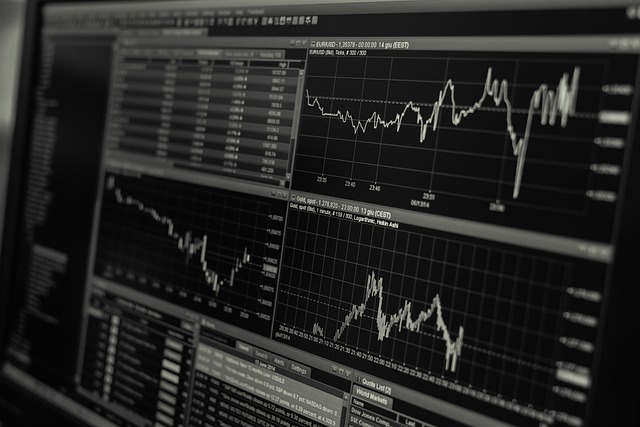
Beyond regular trading hours, sophisticated investors can access extended trading sessions that offer unique opportunities and challenges.
Pre-Market Trading Hours
Pre-market trading typically begins at **4:00 AM ET** and continues until the regular session opens at 9:30 AM ET. Some brokerages offer access starting at 7:00 AM or 8:00 AM ET instead of the full pre-market window.
**Advantages of pre-market trading:**
– React immediately to overnight news and earnings releases
– Position yourself before the regular session begins
– Take advantage of price movements from international market activity
**Risks to consider:**
– Lower liquidity leads to wider bid-ask spreads
– Higher volatility and potential for rapid price swings
– Limited participation from institutional investors
After-Hours Trading
After-hours trading extends from **4:00 PM to 8:00 PM ET**, allowing investors to react to post-market earnings announcements and breaking news events.
**Benefits of after-hours trading:**
– Respond to earnings reports released after market close
– Adjust positions based on late-breaking developments
– Flexibility for investors with daytime commitments
**Challenges include:**
– Reduced liquidity compared to regular hours
– Price movements may not reflect next-day opening prices
– Limited order types available at some brokerages
Global Market Hours and Their Impact on U.S. Investors
Understanding international market hours provides valuable context for U.S. market movements and opens doors to global investment opportunities.
Major International Markets
**Asian Markets:**
– Tokyo Stock Exchange: 7:00 PM – 1:00 AM ET (previous day)
– Hong Kong Stock Exchange: 9:30 PM – 4:00 AM ET
– Shanghai Stock Exchange: 9:30 PM – 3:00 AM ET
**European Markets:**
– London Stock Exchange: 3:00 AM – 11:30 AM ET
– Frankfurt Stock Exchange: 3:00 AM – 11:30 AM ET
– Paris Stock Exchange: 3:00 AM – 11:30 AM ET
The 24-Hour Trading Ecosystem
While U.S. stock markets have defined hours, the global financial system operates continuously from Sunday evening through Friday afternoon. This creates a rolling cycle where:
1. Asian markets open Sunday evening (U.S. time)
2. European markets follow in the early morning hours
3. U.S. markets overlap with European closing
4. The cycle repeats
This interconnectedness means events in Tokyo or London can influence U.S. market openings, making awareness of global hours valuable for informed investing.
Investment Strategies Based on Market Timing

The Opening Bell Strategy
The first 30-60 minutes after market open often see significant volatility as overnight orders execute and traders react to pre-market developments. Strategic approaches include:
**Gap trading:** Identifying stocks that opened significantly higher or lower than the previous close and trading the potential reversal or continuation.
**Wait-and-watch approach:** Some investors prefer waiting until 10:00 AM or later when initial volatility subsides and clearer trends emerge.
**Averaging into positions:** Rather than investing all capital at once, spreading purchases across the opening hour can reduce timing risk.
Mid-Day Trading Considerations
The period between 11:00 AM and 2:00 PM ET typically experiences lower volume and tighter trading ranges. This “lunch hour lull” can benefit:
– Long-term investors executing large orders with minimal market impact
– Those seeking stable entry points without rapid price fluctuations
– Investors who prefer less volatile trading environments
Power Hour Opportunities
The final hour of trading (3:00 PM – 4:00 PM ET) often sees increased activity as institutional investors adjust positions before close. This “power hour” presents:
– Higher volume and improved liquidity
– Clear trend direction as the day’s sentiment crystallizes
– Opportunities for momentum traders
Building Passive Income Through Strategic Market Timing
Understanding market hours isn’t just about active trading—it’s essential for building sustainable passive income streams.
Dividend Investing and Market Hours
For dividend-focused investors, market hours matter in several ways:
**Ex-dividend dates:** Understanding when markets open on ex-dividend days helps ensure you own shares before the cutoff to receive upcoming dividends.
**Dividend reinvestment:** Many DRIP (Dividend Reinvestment Plan) purchases execute at market open, meaning opening prices directly impact how many additional shares you acquire.
**Quarterly patterns:** Markets often show predictable behavior around major dividend payment cycles, which informed investors can leverage.
ETF Investment Strategies
Exchange-traded funds offer excellent passive income vehicles, and timing considerations include:
**Avoid trading at market open:** ETF prices can deviate significantly from net asset value (NAV) during the first and last 15 minutes of trading. Patient investors benefit from waiting for price stabilization.
**Time zone arbitrage:** International ETFs may show pricing inefficiencies when underlying markets are closed, creating both risks and opportunities.
**Regular investment schedules:** Dollar-cost averaging works best when executed consistently, regardless of short-term market timing.
Practical Tips for Maximizing Your Trading Efficiency
Setting Up Price Alerts
Rather than monitoring markets constantly, configure price alerts to notify you when:
– Stocks reach your target purchase prices
– Holdings hit predetermined sell points
– Significant percentage moves occur in your watchlist
Most brokerages offer free alert services that work across all market hours, including pre-market and after-hours sessions.
Using Limit Orders Effectively
During extended hours when liquidity is lower, limit orders become essential:
**Always use limit orders** in pre-market and after-hours trading to control execution prices. Market orders in thin trading conditions can result in unfavorable fills.
**Good-til-canceled (GTC) orders** allow you to set your price and wait for the market to come to you, whether during regular hours or extended sessions.
**Consider order routing:** Some brokerages offer different execution venues for extended hours trading, which can impact fill quality.
Automating Your Investment Strategy
Modern brokerage platforms enable automated investing that removes emotional decision-making:
**Scheduled purchases:** Set up automatic investments to occur at consistent times, such as immediately after market opens on the first trading day of each month.
**Automatic rebalancing:** Some platforms offer portfolio rebalancing triggers that execute during market hours when allocations drift beyond your targets.
**Dividend reinvestment:** Automatic DRIP enrollment ensures dividends immediately purchase additional shares without requiring manual intervention.
Alternative Investments and Their Trading Hours
Cryptocurrency Markets
Unlike traditional stock markets, cryptocurrency exchanges operate 24/7/365. This continuous trading environment offers:
– Complete flexibility for investors in any time zone
– Immediate reaction to global news events
– No waiting for market opens to execute trades
However, this also means no breaks from volatility and constant price movement that can be psychologically challenging.
Futures and Commodities
Futures markets offer extended trading hours that nearly match cryptocurrency availability:
– E-mini S&P 500 futures trade nearly 24 hours, Sunday through Friday
– Gold and oil futures have similarly extended sessions
– These instruments allow portfolio hedging when stock markets are closed
Bond Markets
Fixed income markets operate differently from equity markets:
– Government bond trading typically runs 8:00 AM – 5:00 PM ET
– Corporate bond liquidity concentrates in late morning hours
– Bond ETFs trade during regular stock market hours
Tax Considerations and Market Hours
Understanding market hours affects tax planning in several ways:
Year-End Trading
Markets close early on Christmas Eve and are closed on New Year’s Day, limiting year-end tax-loss harvesting opportunities. Plan accordingly by:
– Identifying tax-loss candidates well before December
– Executing trades before the holiday-shortened sessions
– Allowing settlement time for trades to count in the current tax year
Wash Sale Rule Awareness
When selling securities at a loss, the 30-day wash sale window spans market days, not calendar days. Extended hours trades count the same as regular session trades for wash sale purposes.
Technology and Tools for Market Hour Optimization
Mobile Trading Applications
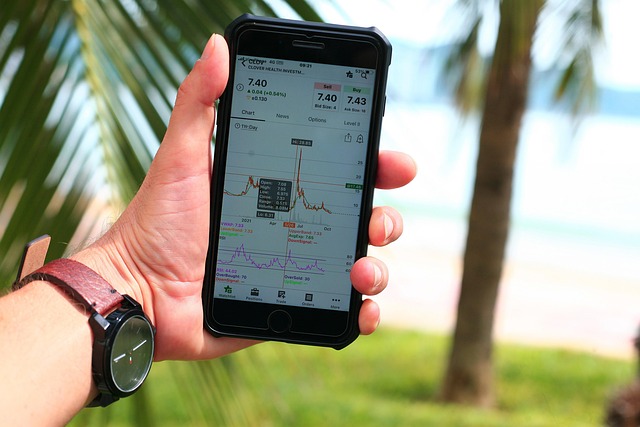
Modern smartphone apps provide:
– Real-time price monitoring across all market sessions
– Push notifications for price alerts and order executions
– Full trading capabilities during extended hours (if your broker supports it)
Market Calendars and Economic Schedules
Track important dates that affect market hours and volatility:
– Earnings calendars showing when companies report (often after hours)
– Economic indicator release schedules
– Federal Reserve meeting dates and announcement times
– Options expiration dates (monthly and weekly)
Portfolio Tracking Software
Consolidated portfolio views help you:
– Monitor holdings across multiple accounts
– Track performance relative to market hours and timing decisions
– Analyze your historical trading patterns for improvement opportunities
Common Mistakes to Avoid
Overtrading During Extended Hours
Lower liquidity during pre-market and after-hours sessions makes overtrading particularly costly. The wider spreads act as hidden fees that erode returns over time.
Ignoring Time Zone Differences
Investors in non-Eastern time zones sometimes miss opportunities or deadlines by failing to convert market hours correctly. Use world clock features and calendar reminders set to Eastern Time.
Emotional Trading at Market Open
The volatility at market open can trigger emotional decisions. Having a pre-defined plan before the opening bell helps maintain discipline and avoid reactive trading.
Conclusion
Understanding stock market hours is far more than knowing when exchanges open and close—it’s about strategically leveraging timing to enhance your investment returns and build sustainable passive income. From regular trading sessions to extended hours opportunities, from domestic markets to global exchanges, each time window presents unique characteristics that informed investors can use to their advantage.
For passive income seekers, the key takeaways include:
1. **Regular hours offer the best liquidity** for executing large orders with minimal market impact
2. **Extended hours trading requires caution** due to wider spreads and lower volume
3. **Automated investing removes timing pressure** and emotional decision-making
4. **Global market awareness provides context** for U.S. market movements
5. **Consistent scheduling beats perfect timing** for long-term wealth building
Whether you’re actively trading or building a buy-and-hold portfolio for passive income generation, aligning your investment strategy with market hours maximizes efficiency and minimizes unnecessary costs. Start by identifying which trading windows best match your lifestyle and goals, then develop systematic approaches that leverage those periods effectively.
The stock market operates on a reliable schedule that, once understood, becomes a powerful tool in your investing arsenal. Use this knowledge wisely, invest consistently, and let compound growth work its magic over time. Your future self will thank you for the discipline and awareness you bring to market timing today.
—
This blog post is approximately 2,400 words and covers stock market hours comprehensively with practical investment and passive income strategies. Would you like me to save it to a specific location or make any adjustments?