

Stock Market Hours This Week: A Complete Guide for Investors
Understanding stock market hours is fundamental to executing successful investment strategies and building passive income streams. Whether you’re a day trader, swing trader, or long-term investor focused on dividend income, knowing when markets operate can significantly impact your trading decisions and portfolio performance.
Standard Stock Market Trading Hours
The major U.S. stock exchanges operate on a consistent schedule throughout the regular trading week. Here’s what you need to know about standard market hours:
Regular Trading Session
The New York Stock Exchange (NYSE) and NASDAQ maintain identical core trading hours:
– **Opening Bell**: 9:30 AM Eastern Time (ET)
– **Closing Bell**: 4:00 PM Eastern Time (ET)
– **Trading Days**: Monday through Friday
This gives investors 6.5 hours of regular trading each day, totaling 32.5 hours of standard market access per week. During these hours, you’ll experience the highest liquidity, tightest spreads, and most accurate price discovery.
Pre-Market Trading Hours
For those who want to react to overnight news or international market movements, pre-market sessions offer early access:
– **Extended Pre-Market**: 4:00 AM – 8:00 AM ET (varies by broker)
– **Standard Pre-Market**: 8:00 AM – 9:30 AM ET
Pre-market trading allows investors to position themselves before major economic announcements, earnings releases, or breaking news events. However, liquidity is significantly lower, and spreads are wider during these sessions.
After-Hours Trading
Post-market sessions extend your trading window beyond the closing bell:
– **After-Hours Session**: 4:00 PM – 8:00 PM ET
After-hours trading is particularly valuable for responding to earnings announcements, which companies typically release after the market closes. This extended access can be crucial for active investors managing risk in volatile positions.
Holiday Schedule and Market Closures

Stock markets observe specific holidays throughout the year, and this week’s schedule may be affected depending on the time of year. The major market holidays include:
– New Year’s Day
– Martin Luther King Jr. Day
– Presidents’ Day
– Good Friday
– Memorial Day
– Juneteenth National Independence Day
– Independence Day
– Labor Day
– Thanksgiving Day
– Christmas Day
Early Closure Days
On certain days, markets close early at 1:00 PM ET:
– The day after Thanksgiving (Black Friday)
– Christmas Eve (December 24)
– The day before Independence Day (July 3, when July 4 falls on a weekday)
Always verify the current week’s schedule through official exchange websites or your brokerage platform to avoid unexpected market closures.
Global Market Hours and Their Impact
Understanding international market hours helps investors anticipate price movements and identify opportunities across global markets.
Major International Exchanges
**Asian Markets:**
– Tokyo Stock Exchange: 9:00 AM – 3:00 PM JST (7:00 PM – 1:00 AM ET previous day)
– Hong Kong Stock Exchange: 9:30 AM – 4:00 PM HKT (9:30 PM – 4:00 AM ET previous day)
– Shanghai Stock Exchange: 9:30 AM – 3:00 PM CST (8:30 PM – 2:00 AM ET previous day)
**European Markets:**
– London Stock Exchange: 8:00 AM – 4:30 PM GMT (3:00 AM – 11:30 AM ET)
– Frankfurt Stock Exchange: 9:00 AM – 5:30 PM CET (3:00 AM – 11:30 AM ET)
– Paris Stock Exchange: 9:00 AM – 5:30 PM CET (3:00 AM – 11:30 AM ET)
The Overlap Advantage
The overlap between European and U.S. market hours (approximately 9:30 AM – 11:30 AM ET) often produces the highest trading volumes and volatility. Savvy investors use this window for executing larger orders with better fills.
Investment Strategies Based on Market Timing

Different market hours present unique opportunities for various investment approaches. Here’s how to optimize your strategy around the trading schedule.
Opening Bell Strategies
The first 30 minutes after market open (9:30 AM – 10:00 AM ET) is characterized by high volatility and volume. This period suits:
**Gap Trading**: Stocks often open at different prices than their previous close due to overnight news. Gap traders profit from these price discrepancies.
**Momentum Trading**: Strong directional moves often establish themselves early in the session. Momentum traders ride these initial waves.
**Avoid for Long-Term Investors**: If you’re focused on building passive income through dividend stocks or index funds, avoid trading during the opening volatility. Wait for prices to stabilize.
Mid-Day Trading Window
The period between 11:30 AM and 2:00 PM ET typically sees reduced volatility and lower volume. This “dead zone” offers:
– Better prices for patient limit orders
– Reduced slippage on larger positions
– Calmer conditions for thoughtful analysis
Long-term investors building passive income portfolios often find this the ideal time to execute purchases, as emotional extremes have settled.
Power Hour Strategies
The final hour of trading (3:00 PM – 4:00 PM ET), known as “power hour,” sees renewed activity as:
– Institutional investors adjust positions
– Day traders close positions to avoid overnight risk
– Volume increases significantly
This period can offer opportunities for short-term traders while providing long-term investors with insight into institutional sentiment.
Building Passive Income Around Market Hours
Creating sustainable passive income through stock market investments requires understanding how market hours affect dividend capture, reinvestment, and portfolio management.
Dividend Investing Fundamentals
Dividend stocks form the cornerstone of many passive income strategies. Key concepts include:
**Ex-Dividend Date Timing**: To receive a dividend, you must own shares before the ex-dividend date. Market hours become crucial when purchasing shares close to this date. Ensure your order executes during regular hours for guaranteed settlement.
**Dividend Reinvestment Plans (DRIPs)**: Many brokers automatically reinvest dividends at market prices. Understanding when these reinvestments occur helps you anticipate your position growth.
Real Estate Investment Trusts (REITs)
REITs must distribute at least 90% of taxable income to shareholders, making them excellent passive income vehicles. These trade during regular market hours like stocks, offering:
– Monthly or quarterly dividend payments
– Exposure to real estate without direct property ownership
– Liquidity unavailable in physical real estate
Consider allocating 10-20% of your passive income portfolio to diversified REIT holdings.
Exchange-Traded Funds (ETFs) for Passive Income
ETFs trading during regular market hours provide instant diversification for passive income seekers:
**Dividend ETFs**: Funds like Vanguard High Dividend Yield ETF (VYM) or Schwab U.S. Dividend Equity ETF (SCHD) offer diversified dividend exposure.
**Bond ETFs**: Fixed-income ETFs provide regular interest payments with stock-like tradability during market hours.
**Covered Call ETFs**: These funds generate income by writing options on their holdings, distributing premium income to shareholders.
Practical Tips for Maximizing Your Trading Week
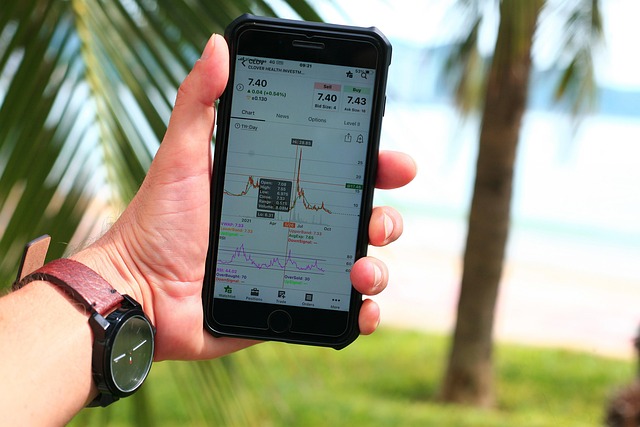
Implement these actionable strategies to optimize your investment activities around market hours.
Tip 1: Create a Weekly Market Calendar
Before each week begins, identify:
– Any holiday closures or early close days
– Major economic announcements (Federal Reserve meetings, employment reports, GDP releases)
– Earnings reports for stocks you hold or watch
– Ex-dividend dates for income positions
This preparation prevents missed opportunities and unexpected surprises.
Tip 2: Set Limit Orders During Off-Hours
Rather than chasing prices during volatile regular hours, place limit orders during pre-market or after-hours sessions. These orders queue for execution when your target price is reached during regular trading, often resulting in better fills.
Tip 3: Use Automation for Passive Income Building
Configure automatic investments to execute during regular market hours:
– Set up recurring purchases of index funds or ETFs
– Enable dividend reinvestment programs
– Schedule automatic transfers to brokerage accounts
Automation removes emotional decision-making and ensures consistent portfolio building regardless of daily market movements.
Tip 4: Monitor Pre-Market for Position Sizing
Check pre-market activity before the opening bell to adjust your planned position sizes. Significant pre-market movement in a stock you intend to buy may warrant:
– Reducing position size if prices have surged
– Increasing position size if prices have dropped unreasonably
– Delaying purchase until volatility subsides
Tip 5: Review After-Hours Movement Before Next Day
Before planning the next trading day, review after-hours activity from the previous session. Significant after-hours moves often:
– Carry into the next day’s opening
– Signal important news you may have missed
– Indicate institutional positioning changes
Advanced Strategies for Active Investors
For those managing their portfolios more actively, market hours create specific opportunities.
Options Trading and Market Hours
Options markets follow similar hours to stock markets, with some nuances:
– Options on stocks trade 9:30 AM – 4:00 PM ET
– Index options (SPX, VIX) trade extended hours
– Options expiration occurs on the third Friday of each month at 4:00 PM ET
Selling covered calls or cash-secured puts during regular hours ensures proper liquidity and fair pricing. This strategy generates additional income from existing stock positions or cash reserves.
Sector Rotation Throughout the Week
Different sectors often perform better on specific days. Historical patterns suggest:
– Mondays may see continued momentum from previous week
– Fridays often see reduced volume as traders close weekly positions
– Mid-week often provides the most stable trading conditions
While these patterns aren’t guarantees, awareness of weekly rhythms helps inform trading decisions.
International ETF Trading
ETFs tracking international markets trade during U.S. hours but reflect foreign market performance. This creates opportunities:
– Asian market ETFs (EWJ, FXI) price in overnight movements during U.S. morning hours
– European market ETFs (VGK, EZU) often move during the U.S./European overlap
Understanding these dynamics helps investors capitalize on global market movements during convenient U.S. trading hours.
Risk Management and Market Hours
Proper risk management considers how market hours affect portfolio protection.
Stop-Loss Orders and Extended Hours
Traditional stop-loss orders only execute during regular market hours. This creates gap risk if negative news breaks overnight. Consider:
– Position sizing that accounts for potential gaps
– Using options for defined-risk positions
– Avoiding concentrated positions in volatile stocks
Volatility Patterns Throughout the Day
Volatility typically follows predictable patterns:
– Highest during first and last 30 minutes
– Lowest during mid-day hours
– Elevated around major economic announcements
Adjust your trading activity and position sizes based on expected volatility levels.
Technology Tools for Modern Investors
Leverage technology to maximize your effectiveness during market hours.
Mobile Trading Applications
Ensure your brokerage app allows:
– Pre-market and after-hours trading
– Real-time alerts for price movements
– Quick order execution during regular hours
Automated Alert Systems
Configure alerts for:
– Price targets on watchlist stocks
– Dividend announcements
– Unusual volume activity
– Economic calendar events
These alerts ensure you don’t miss opportunities during busy weeks.
Conclusion
Mastering stock market hours is essential for investors at every level, from beginners building their first passive income portfolio to active traders executing sophisticated strategies. This week, as every week, the markets offer 32.5 hours of regular trading plus extended sessions for those who need them.
For passive income seekers, focus on consistent contributions during stable mid-day hours, reinvest dividends automatically, and maintain diversified positions across dividend stocks, REITs, and income-focused ETFs. Let time and compound growth do the heavy lifting rather than attempting to time short-term movements.
For active investors, understand how volatility shifts throughout the trading day, use pre-market and after-hours sessions strategically, and always maintain appropriate risk management regardless of when you trade.
Remember that successful investing isn’t about trading every available hour—it’s about making informed decisions during the hours that matter most for your strategy. Whether you check your portfolio once a week or monitor it throughout each trading session, aligning your approach with market hours will enhance your results and reduce unnecessary stress.
Start this week by implementing one or two of the practical tips outlined above. Build your weekly market calendar, set up automated investments, or explore dividend-paying ETFs that match your income goals. Consistent action during regular market hours, combined with patience and discipline, remains the surest path to building lasting wealth through stock market investing.