
Stealth Bombers: Understanding the Technology, Industry, and Investment Landscape
The stealth bomber represents one of humanity’s most sophisticated technological achievements—an aircraft designed to penetrate the most advanced air defense systems undetected. Beyond their military significance, stealth bombers represent a massive segment of the defense industry with substantial investment implications. This comprehensive guide explores the technology, key players, and investment opportunities surrounding stealth bomber programs.
The Evolution of Stealth Technology
From Radar to Invisibility
Stealth technology emerged from a fundamental challenge: radar detection. When radar waves hit a conventional aircraft, they bounce back to receivers, revealing the aircraft’s position, speed, and size. Stealth aircraft are designed to minimize this radar cross-section (RCS) through a combination of shape, materials, and electronic countermeasures.
The journey began in the 1970s when Lockheed’s Skunk Works developed the F-117 Nighthawk, the world’s first operational stealth aircraft. This program, shrouded in secrecy for years, proved that aircraft could be designed to evade radar detection. The success of the F-117 laid the groundwork for more ambitious projects, including dedicated stealth bombers.
The B-2 Spirit: A Technological Marvel
The Northrop Grumman B-2 Spirit, introduced in 1997, remains the most recognizable stealth bomber in operation today. Its distinctive flying wing design eliminates vertical surfaces that would reflect radar waves, while its composite materials absorb radar energy rather than reflecting it.
Each B-2 costs approximately $2.1 billion, making it the most expensive aircraft ever built. Only 21 were produced, and they have served in conflicts from Kosovo to Libya to Afghanistan. The B-2 can carry up to 40,000 pounds of ordnance, including conventional and nuclear weapons, and can fly missions exceeding 6,000 miles without refueling.
The B-21 Raider: Next Generation Stealth
The newest entrant in the stealth bomber category is the Northrop Grumman B-21 Raider, unveiled in December 2022. This sixth-generation bomber incorporates lessons learned from the B-2 program while integrating cutting-edge technologies including advanced sensors, networking capabilities, and potentially autonomous operation modes.
The B-21 program represents a significant shift in acquisition strategy. Unlike the B-2, which became prohibitively expensive due to low production numbers, the Air Force plans to procure at least 100 B-21s at a target cost of approximately $700 million per aircraft (in 2022 dollars). This commitment to higher production volumes aims to make the program more economically sustainable while ensuring adequate force structure.
The Defense Industry Investment Landscape
Prime Contractors and Supply Chains
Investing in stealth bomber technology means understanding the complex web of contractors and suppliers that make these aircraft possible. The defense industry operates differently from typical consumer markets, with long development cycles, government contracts, and regulatory oversight shaping investment dynamics.
**Northrop Grumman Corporation (NOC)** stands as the primary contractor for both the B-2 and B-21 programs. The company’s Aeronautics Systems segment, responsible for these bombers, represents a significant portion of its revenue. For investors seeking direct exposure to stealth bomber programs, Northrop Grumman offers the most straightforward opportunity.
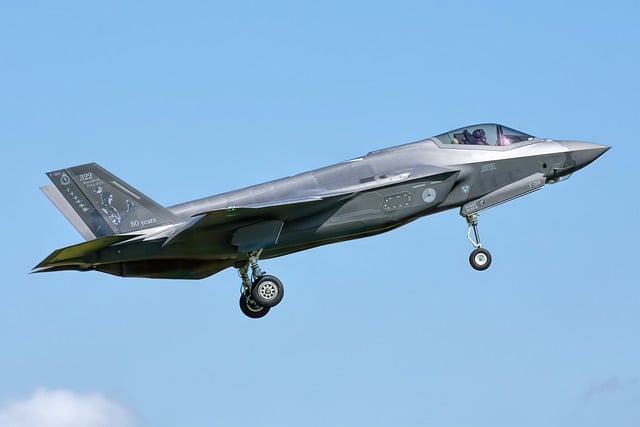
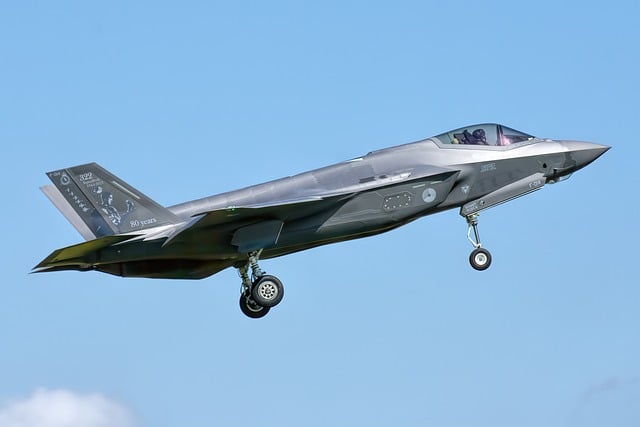
**Lockheed Martin (LMT)**, while not the prime contractor for current bomber programs, remains deeply involved in stealth technology through programs like the F-35 Joint Strike Fighter. The company’s experience with low-observable technology and its position as the world’s largest defense contractor make it relevant to the broader stealth aircraft ecosystem.
**Raytheon Technologies (RTX)** and **General Electric (GE)** provide critical subsystems including engines, avionics, and weapons systems that equip stealth bombers. These companies offer exposure to the technology without concentration risk on a single platform.
Understanding Defense Contract Structures
Defense investments require understanding how government contracts work. Most major programs use one of two contract types:
**Cost-Plus Contracts** reimburse the contractor for allowable costs plus a fee. These reduce contractor risk but can lead to cost overruns. The original B-2 program used this structure, contributing to its extreme per-unit cost.
**Fixed-Price Contracts** set a predetermined price, shifting risk to the contractor. The B-21 program uses a fixed-price incentive contract for development, theoretically protecting taxpayers while incentivizing efficiency. For investors, this means monitoring contractor margins carefully—unexpected costs can significantly impact profitability.
Investment Strategies for Defense Exposure
Direct Stock Investment
Investing directly in defense contractors offers the most concentrated exposure to stealth technology. Consider these factors when evaluating defense stocks:
**Backlog Analysis**: Defense contractors typically maintain order backlogs representing years of future revenue. A growing backlog suggests strong future performance, while declining backlogs may indicate competitive pressure or reduced defense spending.
**Contract Awards**: Monitor announcements from the Department of Defense regarding contract awards. Major program wins can significantly impact stock prices, while losses to competitors may signal trouble.
**Budget Dynamics**: Defense spending depends on political decisions. Understanding the defense budget cycle—authorization, appropriation, and execution—helps anticipate funding changes that affect contractor revenues.
**Dividend History**: Many defense contractors maintain strong dividend programs. Lockheed Martin and Northrop Grumman have increased dividends consistently for years, offering income alongside potential capital appreciation.
Exchange-Traded Funds (ETFs)
For investors seeking diversified defense exposure without individual stock selection, several ETFs focus on aerospace and defense:
**iShares U.S. Aerospace & Defense ETF (ITA)** tracks an index of U.S. aerospace and defense companies. Its holdings include major contractors alongside smaller suppliers, providing broad sector exposure.
**SPDR S&P Aerospace & Defense ETF (XAR)** uses an equal-weight methodology, giving smaller companies more influence than market-cap-weighted alternatives. This approach may capture growth from emerging defense technology firms.
**Invesco Aerospace & Defense ETF (PPA)** focuses on companies deriving significant revenue from aerospace and defense, offering another diversified option for sector investors.
Passive Income Strategies in Defense
Building passive income streams through defense investments requires strategic positioning across multiple vehicles:
**Dividend Growth Investing**: Companies like Lockheed Martin, Northrop Grumman, and General Dynamics have demonstrated consistent dividend growth over decades. Reinvesting these dividends compounds returns over time, eventually generating substantial passive income.
**Covered Call Writing**: Investors holding defense stocks can generate additional income by writing covered calls. Defense stocks often exhibit lower volatility than the broader market due to stable government revenue, making them suitable for options strategies. Premium income supplements dividends while the stable nature of defense contracts supports consistent premiums.
**Bond Investments**: Defense contractors issue corporate bonds that provide fixed income. Investment-grade bonds from major contractors offer yields above Treasury securities while maintaining reasonable credit quality. For income-focused investors, a ladder of defense contractor bonds can provide steady cash flow.
Geopolitical Factors Affecting Stealth Investments

Global Security Environment
Investment in stealth technology cannot be separated from geopolitical realities. Rising tensions between major powers—particularly the United States, China, and Russia—drive demand for advanced military capabilities. China’s development of the H-20 stealth bomber and Russia’s PAK DA program indicate that stealth bomber technology remains a priority for major militaries worldwide.
This competitive dynamic supports long-term demand for stealth technology development, benefiting companies positioned in this space. However, investors must also consider that geopolitical conditions can change rapidly, affecting defense priorities and budgets.
Allied Nations and Export Potential
While stealth bombers themselves are rarely exported due to their sensitive technology, the broader stealth technology ecosystem benefits from allied nations’ defense spending. Countries like Japan, South Korea, Australia, and European NATO members invest heavily in stealth-capable aircraft and related systems.
This international dimension provides additional revenue opportunities for defense contractors beyond U.S. government contracts, diversifying their revenue base and supporting growth.
Risk Factors and Considerations
Program Cancellation Risk
History demonstrates that even advanced defense programs can face cancellation. The original B-2 program was cut from 132 aircraft to just 21 due to the end of the Cold War and budget pressures. Investors must consider that geopolitical changes or budget constraints could affect even established programs.
Technology Obsolescence
Stealth technology faces an ongoing contest with detection systems. Advances in radar technology, including low-frequency radar and networked sensor systems, may eventually reduce stealth effectiveness. Companies must continuously innovate to maintain technological advantages, requiring sustained research and development investment.
Regulatory and Political Risk
Defense spending depends on political decisions. Changes in administration, shifting national priorities, or budget crises can affect program funding. Diversification across multiple contractors and programs helps mitigate this risk.
Cost Overruns and Schedule Delays
Defense programs frequently experience cost overruns and schedule delays. While fixed-price contracts shift some risk to contractors, significant problems can still affect profitability and stock performance. Monitoring program execution through Government Accountability Office reports and contractor disclosures helps identify emerging issues.
Practical Tips for Defense Investors

Building a Defense Portfolio
Consider these practical steps when building exposure to stealth technology and defense:
1. **Start with research**: Understand the programs, contracts, and competitive dynamics before investing. The Department of Defense publishes budget justification documents detailing program funding.
2. **Diversify across the supply chain**: Don’t concentrate solely on prime contractors. Subsystem suppliers and materials companies participate in stealth programs with potentially different risk-reward profiles.
3. **Monitor the budget cycle**: The annual defense budget process follows a predictable calendar. Understanding this cycle helps anticipate funding announcements and potential market movements.
4. **Consider your time horizon**: Defense investments often require patience. Program development cycles span years, and contract benefits may take time to materialize in financial results.
5. **Stay informed**: Follow defense publications and analyst reports covering the sector. Companies provide investor relations materials explaining their programs and prospects.
Income Generation Strategies
For passive income from defense investments:
1. **Reinvest dividends initially**: Compound growth by reinvesting dividends until your portfolio reaches target size, then switch to income distribution.
2. **Ladder bond maturities**: If including corporate bonds, spread maturities across multiple years to reduce reinvestment risk and provide regular income.
3. **Consider preferred shares**: Some defense companies issue preferred stock offering higher yields than common shares, though with different risk characteristics.
4. **Use tax-advantaged accounts**: Qualified dividends and capital gains receive favorable tax treatment. Position defense holdings appropriately across taxable and tax-advantaged accounts to optimize after-tax returns.
Conclusion
Stealth bombers represent the cutting edge of aerospace technology, combining advanced materials, innovative design, and sophisticated electronics to achieve unprecedented capabilities. For investors, this technology creates opportunities across a complex ecosystem of contractors, suppliers, and service providers.
Successful investment in this space requires understanding both the technology and the unique dynamics of defense markets. Government contracts, political factors, and geopolitical conditions all influence returns in ways different from typical commercial investments.
Building passive income through defense investments offers particular appeal given the sector’s stability. Long-term government contracts provide revenue visibility, supporting consistent dividends and bond payments. Companies like Northrop Grumman and Lockheed Martin have demonstrated decades of dividend growth, rewarding patient investors.
Whether through direct stock investment, ETFs, bonds, or options strategies, the stealth bomber industry offers multiple paths to portfolio exposure. By understanding the technology, monitoring program execution, and diversifying appropriately, investors can participate in this sophisticated sector while managing inherent risks.
The future of stealth technology remains bright, with ongoing development of next-generation platforms and continuous improvement of existing capabilities. For investors with appropriate risk tolerance and time horizons, the defense industry—and stealth technology specifically—offers compelling opportunities for both growth and income generation.