
SanDisk Stock: A Complete Investment Guide for Long-Term Wealth Building
Understanding SanDisk and Its Market Position
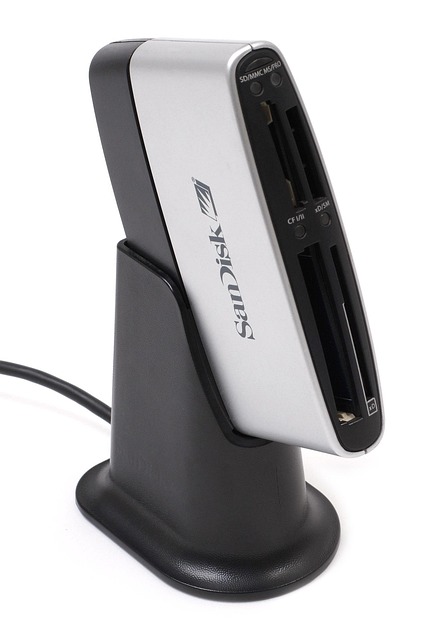
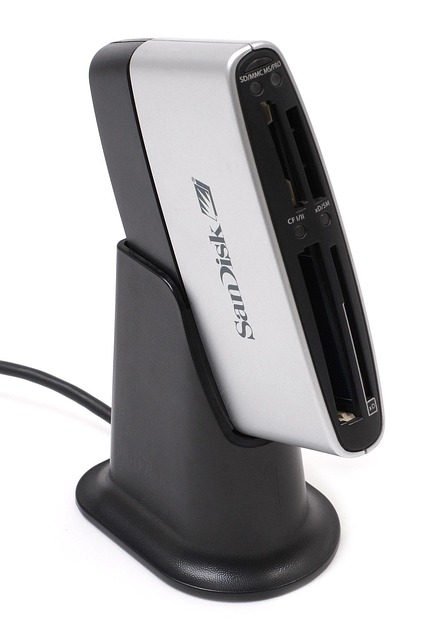
SanDisk, once a pioneering force in flash memory storage, has undergone significant corporate changes that every investor must understand before considering an investment. Originally founded in 1988, SanDisk established itself as a leader in flash storage solutions, producing everything from USB drives to solid-state drives (SSDs) and memory cards used in cameras, smartphones, and countless other devices.
In 2016, Western Digital Corporation (NASDAQ: WDC) acquired SanDisk for approximately $19 billion, making it one of the largest technology acquisitions of that era. This means that **SanDisk no longer trades as an independent stock**. Investors interested in SanDisk’s technology and market presence must now invest in Western Digital, which continues to operate the SanDisk brand as a subsidiary.
Understanding this corporate structure is essential for making informed investment decisions. When you buy Western Digital stock, you’re essentially investing in a company that owns and operates SanDisk’s flash memory business alongside its traditional hard disk drive (HDD) operations.
The Flash Memory Market: A Growing Industry
Current Market Dynamics
The flash memory industry represents one of the most critical sectors in modern technology. Nearly every electronic device relies on some form of flash storage, from smartphones and tablets to data centers and autonomous vehicles. The global NAND flash memory market has grown substantially and continues to expand as data storage demands increase exponentially.
Several key factors drive this growth:
– **Cloud Computing Expansion**: Major cloud providers like Amazon Web Services, Microsoft Azure, and Google Cloud require massive amounts of storage infrastructure
– **Artificial Intelligence**: AI applications demand high-speed storage solutions for training models and processing data
– **5G Networks**: The rollout of 5G technology increases data transmission speeds, requiring faster and larger storage solutions
– **Internet of Things (IoT)**: Connected devices proliferate, each requiring embedded storage
– **Electric Vehicles**: Modern EVs contain significant amounts of flash storage for their computer systems
Competitive Landscape
The flash memory industry is highly concentrated, with a few major players dominating the market:
1. **Samsung Electronics** – The largest producer globally
2. **SK Hynix** – A major Korean semiconductor manufacturer
3. **Micron Technology** – American-based memory producer
4. **Western Digital (SanDisk)** – Significant market share in consumer and enterprise storage
5. **Kioxia** – Former Toshiba Memory, a joint venture partner with Western Digital
Western Digital, through its SanDisk brand, maintains a strong position in the consumer flash market while also competing in enterprise solutions. The company operates joint venture manufacturing facilities with Kioxia in Japan, providing significant production capacity.
Analyzing Western Digital as an Investment
Financial Fundamentals
Before investing in any stock, understanding the company’s financial health is paramount. Here are key metrics to evaluate:
**Revenue Streams**: Western Digital generates revenue from two primary segments:
– Flash products (including SanDisk-branded consumer products)
– Hard disk drives (HDD) for enterprise and consumer markets
**Cyclical Nature**: The memory industry is notoriously cyclical. Prices fluctuate based on supply and demand dynamics, leading to periods of strong profitability followed by challenging times. Investors must prepare for this volatility.
**Debt Levels**: Following the SanDisk acquisition, Western Digital carried significant debt. Monitoring the company’s debt-to-equity ratio and interest coverage is essential for assessing financial stability.
**Gross Margins**: Memory companies’ margins can swing dramatically. During supply shortages, margins expand; during oversupply, they contract significantly.
Recent Corporate Developments
Western Digital has explored strategic alternatives in recent years, including a potential split of its flash and HDD businesses. Such corporate actions could significantly impact shareholder value and should be monitored closely by investors.
The company has also faced challenges including:
– Supply chain disruptions
– Competition from vertically integrated competitors
– Technological transitions requiring significant capital investment
– Market share battles in both consumer and enterprise segments
Investment Strategies for Building Passive Income

Strategy 1: Dollar-Cost Averaging
For investors interested in Western Digital stock, dollar-cost averaging (DCA) provides a disciplined approach to building a position over time. This strategy involves investing a fixed amount at regular intervals, regardless of the stock price.
**Benefits of DCA:**
– Reduces the impact of volatility
– Removes emotional decision-making
– Builds positions gradually without timing the market
– Particularly effective for cyclical stocks like memory companies
**Implementation Tips:**
– Set up automatic monthly purchases through your brokerage
– Choose an amount that fits your budget without causing financial strain
– Maintain the discipline even during market downturns
– Consider increasing contributions during significant price drops
Strategy 2: Dividend Investing
Western Digital has historically paid dividends, though the dividend policy has varied based on business conditions. For passive income seekers, dividends provide regular cash flow without selling shares.
**Dividend Considerations:**
– Check the current dividend yield and payout ratio
– Review the company’s dividend history and consistency
– Assess whether the dividend is sustainable given financial conditions
– Compare yields with industry peers and alternative investments
**Reinvesting Dividends:**
Using a Dividend Reinvestment Plan (DRIP) can compound returns over time. Instead of receiving cash, dividends purchase additional shares, accelerating wealth building through the power of compounding.
Strategy 3: Covered Call Writing
For investors with significant positions in Western Digital, covered call options can generate additional income while holding shares.
**How It Works:**
– Own at least 100 shares of the stock
– Sell call options against your position
– Collect premium income regardless of stock movement
– If the stock rises above the strike price, you may sell shares at a profit
**Considerations:**
– Caps upside potential if the stock rallies strongly
– Requires options approval from your brokerage
– Best suited for sideways or slightly bullish market conditions
– Premium income can enhance total returns over time
Strategy 4: Sector Diversification
Rather than concentrating solely on Western Digital, consider diversifying across the semiconductor and storage sector. This approach reduces company-specific risk while maintaining exposure to the industry’s growth.
**Diversification Options:**
– **Individual Stocks**: Combine Western Digital with competitors like Micron, Samsung (via Korean market access), or Seagate
– **Sector ETFs**: Consider semiconductor ETFs that include memory companies
– **Technology ETFs**: Broader tech funds often include storage companies as components
Strategy 5: Long-Term Value Investing
The memory industry’s cyclical nature creates opportunities for patient investors. During industry downturns, stock prices often fall below intrinsic value, creating buying opportunities.
**Value Investing Approach:**
– Study industry cycles and recognize oversold conditions
– Accumulate shares when prices fall significantly below historical averages
– Hold through complete cycles to capture the eventual recovery
– Focus on the long-term growth of data storage demand rather than short-term fluctuations
Practical Tips for Investors
Conducting Due Diligence
Before investing, thorough research is essential:
1. **Read Quarterly Earnings Reports**: Understand revenue trends, margin dynamics, and management’s outlook
2. **Monitor Industry Reports**: Organizations like Gartner, IDC, and TrendForce publish valuable memory market analysis
3. **Track Competitor Actions**: Industry capacity additions or reductions significantly impact pricing
4. **Understand Technology Roadmaps**: Transitions to new technologies (like 3D NAND) require substantial capital investment
Setting Realistic Expectations
Cyclical stocks require different expectations than stable growth companies:
– **Accept Volatility**: Memory stocks can move 50% or more in either direction within a year
– **Time Horizon**: Plan for at least a full industry cycle (typically 3-5 years)
– **Position Sizing**: Don’t overallocate to a single cyclical stock
– **Patience**: The best returns often come after the most challenging periods
Risk Management
Protecting your investment requires disciplined risk management:
**Diversification**: Never put all your investment capital in a single stock, especially a cyclical one
**Position Limits**: Consider limiting any single stock to no more than 5-10% of your portfolio
**Stop-Loss Consideration**: While not always appropriate for long-term investors, having a maximum loss threshold can prevent catastrophic losses
**Regular Review**: Quarterly reassessment of your investment thesis ensures the original reasons for investing remain valid
Tax-Efficient Strategies
Maximize after-tax returns through thoughtful planning:
– **Tax-Advantaged Accounts**: Consider holding cyclical stocks in IRAs or 401(k)s where capital gains aren’t immediately taxed
– **Tax-Loss Harvesting**: During downturns, realize losses to offset gains elsewhere in your portfolio
– **Long-Term Holding**: Holding shares for over one year qualifies for favorable long-term capital gains rates
– **Qualified Dividends**: Dividends from domestic corporations typically receive favorable tax treatment
The Future of Data Storage

Industry Trends to Watch
Several trends will shape the storage industry’s future:
**AI and Machine Learning**: The explosion of AI applications requires massive data storage capacity. Training large language models alone requires petabytes of storage.
**Edge Computing**: As processing moves closer to data sources, demand for distributed storage solutions grows.
**Automotive Storage**: Self-driving vehicles may require terabytes of storage each, representing a significant growth market.
**Gaming**: Next-generation gaming consoles and cloud gaming services drive consumer storage demand.
Technological Evolution
The storage industry continues evolving technologically:
– **3D NAND Advancements**: Increasing layers improve density and reduce costs
– **QLC and PLC Technologies**: More bits per cell increase capacity but involve technical tradeoffs
– **New Memory Technologies**: Emerging technologies like computational storage may disrupt traditional approaches
– **Interface Improvements**: Faster interfaces like PCIe 5.0 drive performance improvements
Alternative Investment Options
Semiconductor ETFs
For investors preferring diversification, semiconductor ETFs offer broad exposure:
– **VanEck Semiconductor ETF (SMH)**: Large-cap focused semiconductor fund
– **iShares Semiconductor ETF (SOXX)**: Another popular choice with diverse holdings
– **SPDR S&P Semiconductor ETF (XSD)**: Equal-weighted approach to the sector
Competing Companies
Consider diversifying across storage industry competitors:
– **Micron Technology (MU)**: Pure-play memory company
– **Seagate Technology (STX)**: HDD-focused with dividend yield
– **Pure Storage (PSTG)**: Enterprise flash arrays
– **NetApp (NTAP)**: Data management solutions
Conclusion
Investing in SanDisk through Western Digital stock offers exposure to the critical flash memory industry that underpins modern technology. However, this investment comes with considerations that demand careful attention.
The cyclical nature of the memory industry means investors must prepare for volatility while maintaining a long-term perspective. Dollar-cost averaging, dividend reinvestment, and diversification strategies can help manage risk while building wealth over time.
For passive income seekers, Western Digital’s dividend history and the potential for covered call income provide opportunities for regular cash flow. However, the variability of both the stock price and dividend payments requires realistic expectations.
Before investing, conduct thorough due diligence, understand the company’s financial position, and recognize how it fits within the broader competitive landscape. The flash memory industry’s growth potential remains substantial, driven by cloud computing, AI, 5G, and countless applications requiring data storage.
Success in investing in cyclical technology stocks requires patience, discipline, and a commitment to continuous learning. By applying the strategies outlined in this guide and maintaining a long-term perspective, investors can position themselves to benefit from the ongoing digital transformation that drives demand for storage solutions.
Remember that all investments carry risk, and past performance doesn’t guarantee future results. Consider consulting with a financial advisor to determine how Western Digital or similar investments fit within your overall financial plan and risk tolerance. The best investment approach is one that aligns with your personal goals, timeline, and comfort with market volatility.