
The Complete Guide to Silver Price: Investment Strategies and Passive Income Opportunities
Silver has captivated investors for centuries, serving as both a store of value and an industrial commodity. Understanding silver price dynamics is essential for anyone looking to diversify their portfolio and potentially generate passive income. This comprehensive guide explores everything you need to know about silver investing, from fundamental price drivers to practical strategies for building wealth.
Understanding Silver Price Fundamentals
What Drives Silver Prices?
Silver prices are influenced by a complex interplay of factors that distinguish it from other precious metals. Unlike gold, which is primarily a monetary metal, silver serves dual purposes as both an investment vehicle and an industrial commodity. This dual nature creates unique price dynamics that savvy investors can leverage.
**Supply and Demand Dynamics**
The global silver supply comes primarily from mining operations, with major producers including Mexico, Peru, China, and Australia. Secondary supply from recycling also contributes significantly to the market. On the demand side, industrial applications account for approximately 50% of annual silver consumption, with jewelry, silverware, and investment demand making up the remainder.
**Industrial Demand Catalysts**
Silver’s exceptional electrical conductivity, thermal properties, and antimicrobial characteristics make it indispensable in numerous industries. The metal is crucial for solar panel manufacturing, electronics, medical devices, and emerging technologies. As the world transitions toward renewable energy, silver demand from the photovoltaic industry continues to surge, potentially supporting higher prices in the coming decades.
**Monetary Policy and Inflation**
Like gold, silver serves as a hedge against inflation and currency devaluation. When central banks implement loose monetary policies or when inflation expectations rise, investors often flock to precious metals as a store of value. Historically, silver prices have shown strong correlations with inflation rates and inverse correlations with real interest rates.
The Gold-Silver Ratio
One of the most important metrics for silver investors is the gold-silver ratio, which measures how many ounces of silver it takes to purchase one ounce of gold. Historically, this ratio has averaged around 60:1, though it has fluctuated dramatically over time. When the ratio is high (above 80:1), silver is considered relatively undervalued compared to gold. When it falls below 50:1, silver may be relatively overvalued.
Sophisticated investors use this ratio to time their entries and exits, potentially switching between gold and silver to maximize returns. This mean-reversion strategy has proven profitable for patient investors willing to hold positions for extended periods.
Investment Vehicles for Silver Exposure
Physical Silver
**Silver Bullion Coins**
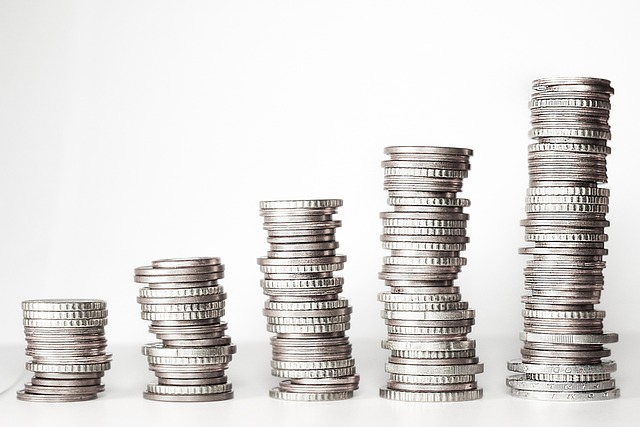
Investing in silver coins offers tangible ownership and the satisfaction of holding real assets. Popular options include American Silver Eagles, Canadian Silver Maple Leafs, and Austrian Silver Philharmonics. These government-minted coins carry a small premium over spot prices but offer guaranteed purity and easy recognition for future resale.
**Silver Bars**
For investors seeking maximum silver content per dollar spent, silver bars offer the lowest premiums over spot price. Bars range from small 1-ounce pieces to large 1,000-ounce commercial bars. While larger bars carry lower premiums, they may be more difficult to sell in smaller quantities when you need liquidity.
**Storage Considerations**
Physical silver requires secure storage, whether at home in a safe, in a bank safe deposit box, or through a professional precious metals storage facility. Each option carries different costs and trade-offs regarding accessibility, insurance, and security.
Paper Silver Investments
**Exchange-Traded Funds (ETFs)**
Silver ETFs provide convenient exposure to silver prices without the hassles of physical storage. The iShares Silver Trust (SLV) and Aberdeen Standard Physical Silver Shares ETF (SIVR) are among the largest and most liquid options. These funds hold physical silver in vaults and allow investors to buy and sell shares like stocks.
**Silver Mining Stocks**
Investing in silver mining companies offers leveraged exposure to silver prices. When silver prices rise, mining company profits typically increase at a faster rate, potentially amplifying investor returns. However, this leverage works both ways, and mining stocks can suffer outsized losses during silver price declines.
Major silver miners include First Majestic Silver Corp, Pan American Silver, and Hecla Mining. Investors should evaluate factors beyond silver prices, including production costs, reserve quality, management competence, and geopolitical risks.
**Silver Streaming and Royalty Companies**
Companies like Wheaton Precious Metals and Franco-Nevada offer unique exposure to silver through streaming and royalty agreements. These companies provide upfront financing to miners in exchange for the right to purchase a percentage of future production at predetermined prices. This model offers silver exposure with lower operational risk than direct mining investments.
Futures and Options
For sophisticated investors, silver futures and options provide leveraged exposure and hedging capabilities. Trading on the COMEX exchange, silver futures contracts represent 5,000 ounces of silver and require margin deposits rather than full payment. While this leverage can amplify gains, it equally magnifies losses and carries significant risk for inexperienced traders.
Passive Income Strategies with Silver
Dividend-Paying Silver Investments
**Silver Mining Stocks with Dividends**
Several silver mining companies pay regular dividends to shareholders. While dividend yields in the mining sector tend to be modest compared to other industries, they provide a income stream while maintaining exposure to silver price appreciation. Look for companies with strong balance sheets, low production costs, and consistent dividend histories.
**Silver Streaming Company Dividends**
Streaming companies often offer more attractive dividend yields than pure miners because their business model generates more predictable cash flows. Wheaton Precious Metals, for example, has maintained a progressive dividend policy that rewards long-term shareholders.
Covered Call Strategies
Investors holding silver ETFs or mining stocks can generate additional income by writing covered calls. This strategy involves selling call options against existing positions, collecting premium in exchange for potentially capping upside gains. During periods of elevated volatility, option premiums increase, making this strategy particularly attractive.
For example, an investor holding 100 shares of SLV might sell monthly call options at strike prices 5-10% above the current price. If silver prices remain stable or decline, the investor keeps the premium and can repeat the process. If prices surge above the strike price, the shares may be called away, but the investor still profits from the appreciation plus the premium collected.
Silver Lending Programs
Some precious metals dealers and platforms offer programs where investors can lend their physical silver holdings in exchange for interest payments. While these programs can generate passive income, they introduce counterparty risk and should be approached with caution. Only work with established, reputable dealers and understand the terms thoroughly before participating.
Dollar-Cost Averaging
While not strictly a passive income strategy, systematic dollar-cost averaging into silver positions can build wealth over time with minimal active management. By investing fixed amounts at regular intervals regardless of price, investors smooth out volatility and avoid the psychological pitfalls of trying to time the market. This disciplined approach has historically rewarded patient investors in precious metals.
Practical Tips for Silver Investors

Timing Your Purchases
While market timing is notoriously difficult, several indicators can help investors identify favorable entry points:
**Seasonal Patterns**
Silver prices have historically shown seasonal tendencies, often weakening during the summer months and strengthening in autumn and winter. While these patterns are not guaranteed, they can inform patient investors looking for potentially advantageous entry points.
**Technical Analysis**
Support and resistance levels, moving averages, and momentum indicators can help identify potential turning points in silver prices. The 200-day moving average is widely watched, with prices above this level generally considered bullish and prices below considered bearish.
**Sentiment Indicators**
Extreme sentiment readings often precede price reversals. When mainstream media coverage turns overwhelmingly bullish on silver, it may signal a short-term top. Conversely, widespread pessimism and neglect often precede rallies.
Avoiding Common Mistakes
**Over-Concentration**
While silver can be an excellent portfolio diversifier, holding too large a position introduces unnecessary risk. Most financial advisors suggest limiting precious metals exposure to 5-15% of a total portfolio, depending on individual circumstances and risk tolerance.
**Paying Excessive Premiums**
During periods of high demand, premiums on physical silver can spike dramatically. Patient investors who wait for premiums to normalize or who purchase larger bars with lower premiums can acquire more ounces per dollar invested.
**Ignoring Storage and Insurance Costs**
When calculating potential returns on physical silver, investors must account for ongoing storage and insurance costs. These expenses can significantly impact overall returns, especially during periods of flat or declining prices.
**Emotional Decision-Making**
Silver prices can be volatile, and dramatic price swings can trigger emotional responses. Having a clear investment plan and sticking to it through market turbulence is essential for long-term success.
Tax Considerations
Silver investments carry specific tax implications that investors should understand. In many jurisdictions, physical silver is taxed as a collectible, potentially subject to higher capital gains rates than stocks or bonds. ETFs structured as grantor trusts may also face collectible tax treatment. Consulting with a tax professional familiar with precious metals investments can help optimize after-tax returns.
Building a Silver Investment Portfolio
Beginner Strategy
New investors should start with a modest allocation to silver, perhaps 5% of their investment portfolio. A combination of a silver ETF for convenience and a small physical holding for insurance against systemic financial risks provides balanced exposure. Focus on education and understanding price drivers before increasing allocations.
Intermediate Strategy
As knowledge and capital grow, intermediate investors might expand to 10% silver allocation, adding exposure through mining stocks or streaming companies for enhanced return potential. Implementing covered call strategies on ETF holdings can generate additional income while maintaining core exposure.
Advanced Strategy
Sophisticated investors with substantial capital might consider a more active approach, using the gold-silver ratio for tactical allocation shifts, trading futures or options for leveraged exposure, and maintaining relationships with dealers for opportunistic physical purchases during market dislocations.
The Future of Silver Prices

Several structural factors suggest potentially supportive conditions for silver prices in the coming years. The global push toward renewable energy continues to drive industrial demand, with solar panel manufacturers consuming increasing quantities of silver. Electric vehicles and 5G infrastructure also require significant silver inputs.
On the supply side, declining ore grades at existing mines and limited new discoveries suggest that production growth may struggle to keep pace with demand. Meanwhile, the historic monetary role of silver could reassert itself if inflation concerns persist or if confidence in fiat currencies wavers.
However, investors should remain aware of risks, including potential technological substitution in some industrial applications, economic slowdowns that reduce industrial demand, and periods of dollar strength that typically pressure commodity prices.
Conclusion
Silver offers compelling opportunities for investors seeking portfolio diversification, inflation protection, and potential passive income. Understanding the unique factors that drive silver prices—from industrial demand and mining supply to monetary policy and the gold-silver ratio—empowers investors to make informed decisions.
Success in silver investing requires patience, discipline, and realistic expectations. While the metal can deliver substantial returns during bull markets, it can also experience extended periods of decline or stagnation. Building positions gradually through dollar-cost averaging, maintaining appropriate position sizes, and implementing income-generating strategies like covered calls can help smooth the journey.
Whether you choose physical bullion, ETFs, mining stocks, or a combination of approaches, silver deserves consideration as part of a well-diversified investment portfolio. By following the strategies and practical tips outlined in this guide, you can position yourself to potentially benefit from silver’s unique characteristics while managing the inherent risks of precious metals investing.
The key is to start with education, begin with modest positions, and expand your silver holdings as your knowledge and experience grow. With careful planning and disciplined execution, silver can serve as a valuable component of your wealth-building strategy for years to come.