

Understanding Gold Price Charts: A Complete Guide to Smart Gold Investing
Gold has captivated humanity for millennia, serving as currency, jewelry, and a store of value. Today, savvy investors turn to gold price charts to make informed decisions about this precious metal. Whether you’re looking to hedge against inflation, diversify your portfolio, or generate passive income through gold-related investments, understanding how to read and interpret gold price charts is an essential skill.
Why Gold Remains a Cornerstone Investment
Before diving into the technical aspects of gold price charts, it’s important to understand why gold continues to attract investors worldwide. Gold serves multiple functions in a well-balanced investment portfolio.
A Hedge Against Economic Uncertainty
Throughout history, gold has maintained its purchasing power while fiat currencies have come and gone. During periods of high inflation, economic instability, or geopolitical turmoil, gold prices typically rise as investors seek safe-haven assets. The 2008 financial crisis and the 2020 pandemic both saw significant increases in gold prices as uncertainty gripped global markets.
Portfolio Diversification
Gold often moves independently of stocks and bonds, making it an excellent diversification tool. When equity markets decline, gold frequently holds its value or appreciates, providing a buffer against losses in other parts of your portfolio. Financial advisors commonly recommend allocating between 5% and 15% of your portfolio to precious metals, with gold being the primary choice.
Protection Against Currency Devaluation
As governments around the world engage in monetary expansion and deficit spending, currencies can lose purchasing power over time. Gold, being a finite resource that cannot be printed or created at will, offers protection against this gradual erosion of currency value.
Anatomy of a Gold Price Chart

Understanding the components of a gold price chart is the first step toward making informed investment decisions. Let’s break down the key elements you’ll encounter.
Price Axis and Time Frame
The vertical axis displays the gold price, typically quoted in US dollars per troy ounce. The horizontal axis shows the time period being examined. Gold price charts can display data ranging from intraday movements to decades of price history. Your investment timeline should dictate which time frame you focus on most heavily.
Candlestick Patterns
Most professional gold price charts use candlestick displays rather than simple line charts. Each candlestick represents a specific time period and shows four crucial pieces of information: the opening price, closing price, high price, and low price. The body of the candlestick indicates the difference between opening and closing prices, while the wicks show the highs and lows reached during that period.
Green or white candlesticks indicate that the price closed higher than it opened, representing a bullish period. Red or black candlesticks show that the price closed lower than the opening, indicating bearish sentiment.
Volume Indicators
Volume bars at the bottom of gold price charts show how much gold was traded during each period. High volume accompanying price movements suggests strong conviction behind those moves. A price increase on high volume is more significant than one on low volume, as it indicates widespread buying interest rather than a temporary spike.
Moving Averages
Moving averages smooth out price data to reveal underlying trends. The most commonly used are the 50-day and 200-day moving averages. When the shorter-term average crosses above the longer-term average, it creates a “golden cross,” traditionally seen as a bullish signal. The opposite, a “death cross,” occurs when the shorter average drops below the longer one, suggesting potential downside.
Key Patterns to Recognize in Gold Price Charts
Technical analysis of gold price charts involves identifying patterns that may predict future price movements. While no pattern guarantees results, certain formations have historically preceded specific market behaviors.
Support and Resistance Levels
Support levels are price points where gold has historically stopped falling and bounced higher. Resistance levels are prices where upward momentum has stalled and reversed. Identifying these levels helps investors determine optimal entry and exit points. When gold breaks through a significant resistance level on strong volume, it often signals the beginning of a new uptrend.
Trend Lines and Channels
Drawing trend lines connecting successive lows in an uptrend or successive highs in a downtrend helps visualize the overall direction of gold prices. Parallel channel lines can further refine this analysis, showing the typical range within which gold trades during a trend.
Head and Shoulders Pattern
This reversal pattern consists of three peaks, with the middle peak being the highest. When this pattern forms after an uptrend, it often signals an impending decline. An inverted head and shoulders at the bottom of a downtrend can indicate a potential reversal to the upside.
Double Tops and Double Bottoms
These patterns occur when gold tests a price level twice but fails to break through. A double top at resistance suggests weakening buying pressure and potential decline. A double bottom at support indicates that sellers are exhausting their strength and a rally may follow.
Investment Strategies Using Gold Price Charts

Now that you understand how to read gold price charts, let’s explore practical strategies for incorporating this knowledge into your investment approach.
Dollar-Cost Averaging
Rather than trying to time the market perfectly, dollar-cost averaging involves investing a fixed amount in gold at regular intervals regardless of the current price. This strategy reduces the impact of volatility and eliminates the emotional stress of trying to pick the perfect entry point. Over time, you’ll buy more gold when prices are low and less when prices are high, potentially lowering your average cost per ounce.
Buying at Support Levels
Use gold price charts to identify strong support levels where gold has repeatedly bounced higher. Setting buy orders just above these levels allows you to accumulate gold at potentially favorable prices. Always use stop-loss orders below the support level to limit potential losses if the support breaks.
Trend Following
This strategy involves buying gold when price charts show the beginning of an uptrend and selling when the trend reverses. Moving average crossovers, trend line breaks, and momentum indicators can all signal trend changes. Trend following requires patience and discipline, as you’ll miss the exact tops and bottoms but capture the bulk of major moves.
Breakout Trading
When gold prices break above significant resistance levels on strong volume, it often signals the beginning of a new upleg. Buying breakouts can be profitable, but false breakouts are common. Confirm breakouts by waiting for a close above resistance rather than buying on the initial move, and ensure volume supports the breakout.
Generating Passive Income Through Gold Investments
While physical gold doesn’t generate income on its own, several gold-related investments can provide regular cash flow while maintaining exposure to gold prices.
Gold Mining Stocks with Dividends
Several major gold mining companies pay regular dividends to shareholders. Companies like Newmont Corporation, Barrick Gold, and Agnico Eagle Mines have histories of dividend payments. These companies’ stock prices typically correlate with gold prices while providing income through dividends. Analyze gold price charts alongside individual company fundamentals to time your purchases.
Gold ETFs and Trusts
Some gold-focused exchange-traded funds distribute income to shareholders. While most gold ETFs simply track the gold price and don’t pay dividends, certain funds that hold gold mining stocks or use options strategies can generate income. Research the specific structure and distribution history of any gold ETF before investing.
Covered Call Strategies on Gold Holdings
If you own gold ETFs or mining stocks, writing covered calls can generate premium income while you hold the underlying position. This strategy involves selling call options against your gold holdings, collecting the premium, and potentially having your shares called away if gold prices rise above the strike price. This works best in sideways or slightly bullish markets.
Gold Streaming and Royalty Companies
Companies like Franco-Nevada, Wheaton Precious Metals, and Royal Gold provide financing to mining companies in exchange for the right to purchase gold at predetermined prices or receive royalty payments based on production. These companies often pay attractive dividends and offer gold exposure with potentially less operational risk than traditional miners.
Macroeconomic Factors Affecting Gold Prices
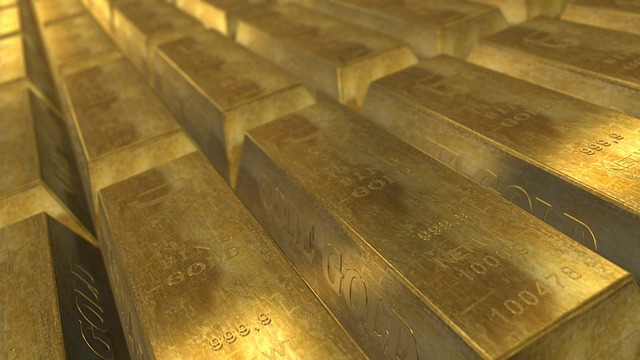
Gold price charts don’t exist in a vacuum. Understanding the broader economic forces that influence gold helps you interpret chart patterns within their proper context.
Interest Rates and Monetary Policy
Gold typically has an inverse relationship with real interest rates. When interest rates are low or negative after accounting for inflation, gold becomes more attractive because the opportunity cost of holding a non-yielding asset decreases. Federal Reserve policy decisions often cause immediate reactions in gold prices, which you’ll see reflected in intraday charts.
US Dollar Strength
Gold is priced in US dollars globally, so a stronger dollar makes gold more expensive for international buyers, potentially suppressing demand and prices. Monitor the US Dollar Index alongside gold price charts to understand this relationship. When the dollar weakens, gold often strengthens, and vice versa.
Inflation Expectations
Rising inflation expectations typically support gold prices as investors seek assets that maintain purchasing power. Consumer Price Index reports, Producer Price Index data, and inflation forecasts from central banks all influence gold market sentiment. Sustained inflation often creates long-term uptrends visible on monthly and yearly gold price charts.
Geopolitical Events
Wars, political instability, trade disputes, and other geopolitical tensions often trigger flight-to-safety buying in gold. These events can cause sharp spikes in gold prices that appear as long upper wicks on daily candlestick charts. While short-term geopolitical moves can be difficult to predict, understanding their impact helps explain unusual chart patterns.
Practical Tips for Gold Investors
Armed with knowledge of gold price charts and investment strategies, consider these practical tips to improve your gold investing outcomes.
Maintain a Long-Term Perspective
While short-term trading based on gold price charts can be profitable, gold’s primary role in most portfolios is long-term wealth preservation. Don’t let daily price fluctuations shake you out of sound long-term positions. Zoom out to weekly and monthly charts to maintain perspective during volatile periods.
Diversify Within Your Gold Allocation
Don’t put all your gold allocation into a single investment vehicle. Consider holding a combination of physical gold, gold ETFs, and mining stocks. Each has different characteristics, risks, and benefits. Physical gold provides direct ownership with no counterparty risk, ETFs offer liquidity and convenience, and mining stocks provide leverage to gold prices plus dividend potential.
Set Clear Entry and Exit Criteria
Before making any gold investment, establish clear criteria for when you’ll buy more, reduce your position, or exit entirely. These criteria should be based on chart levels, portfolio allocation percentages, or fundamental factors. Having predetermined rules prevents emotional decision-making during market volatility.
Stay Informed But Avoid Noise
Follow gold market developments and monitor price charts regularly, but don’t let daily news headlines drive your investment decisions. The gold market is full of predictions and opinions, many of which prove incorrect. Focus on your own analysis and investment plan rather than reacting to every piece of news or commentary.
Consider Transaction Costs
Physical gold involves premiums over spot price, storage costs, and potentially insurance expenses. ETFs charge management fees. Frequent trading based on short-term chart signals generates transaction costs that can erode returns. Factor all costs into your investment decisions and strategy selection.
Conclusion
Gold price charts are powerful tools for investors seeking to understand this timeless asset and make informed investment decisions. By learning to read candlestick patterns, identify support and resistance levels, recognize trend formations, and interpret volume data, you can significantly improve your gold investing outcomes.
Remember that gold serves different purposes for different investors. For some, it’s a long-term store of value held for decades. For others, it’s an active trading vehicle offering opportunities for profit. For many, it provides diversification benefits and portfolio insurance against economic uncertainty.
Whether you choose to invest in physical gold, ETFs, mining stocks, or royalty companies, let gold price charts guide your timing decisions while fundamental analysis shapes your overall allocation. Combine technical chart analysis with an understanding of macroeconomic factors affecting gold, maintain disciplined position sizing, and keep a long-term perspective.
The journey to becoming a proficient gold investor takes time and practice. Start by observing gold price charts daily, identifying patterns, and paper trading before committing significant capital. As your experience grows, so will your confidence in using these charts to build wealth and generate passive income through gold-related investments. In an uncertain world, understanding gold and its price dynamics remains one of the most valuable skills an investor can develop.