
NVIDIA Stock: A Comprehensive Investment and Passive Income Guide
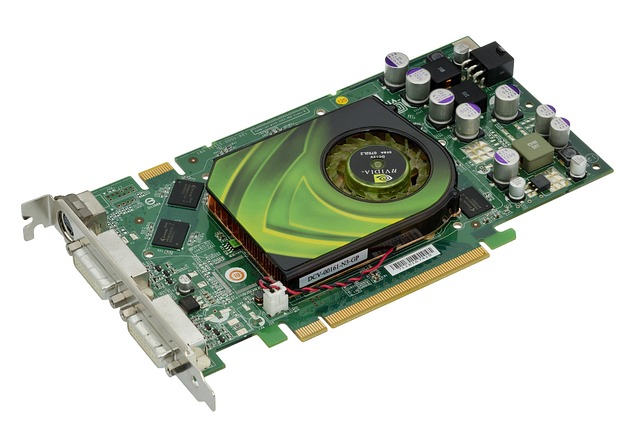
NVIDIA Corporation (NASDAQ: NVDA) has transformed from a niche graphics card manufacturer into one of the most influential companies of the artificial intelligence era. For investors looking to build long-term wealth and generate passive income, understanding NVIDIA’s business model, financial strength, and strategic positioning is essential. This guide explores actionable strategies for investing in NVIDIA stock and using it as part of a passive income portfolio.
Understanding NVIDIA’s Business Model
Before considering any investment, it is critical to understand what you are buying. NVIDIA designs and manufactures graphics processing units (GPUs), system-on-chip units, and AI computing platforms. The company has four primary revenue segments.
Data Center
The data center segment has become NVIDIA’s largest revenue driver. With cloud providers like Amazon Web Services, Microsoft Azure, and Google Cloud purchasing massive quantities of NVIDIA’s H100, H200, and Blackwell architecture chips, this segment generates the bulk of corporate sales. The shift toward AI training and inference workloads has created sustained demand that shows little sign of slowing.
Gaming
Originally NVIDIA’s core market, the gaming segment continues to generate substantial revenue through GeForce RTX graphics cards. While growth has matured compared to the data center segment, gaming remains a stable contributor and benefits from ongoing PC upgrade cycles and competitive esports.
Professional Visualization
This segment serves engineers, designers, and content creators with workstation-grade GPUs. Industries like architecture, automotive design, and film production rely on NVIDIA’s professional cards for demanding visualization tasks.
Automotive
NVIDIA’s automotive segment provides AI-powered platforms for autonomous driving and in-vehicle computing. Partnerships with major automakers position this as a long-term growth area, though it currently represents a smaller share of total revenue.
Why NVIDIA Has Dominated the AI Era
CUDA Software Ecosystem
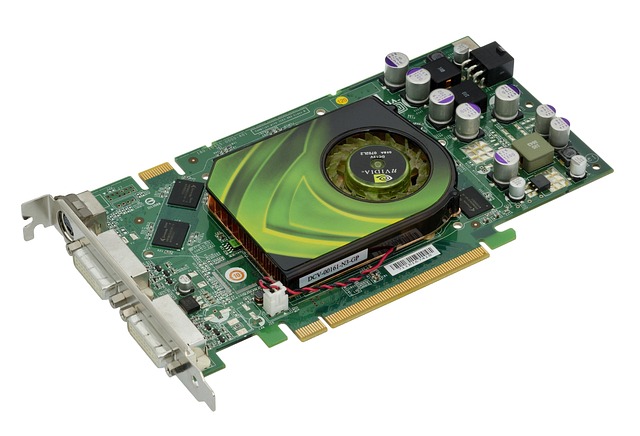
NVIDIA’s competitive moat is not just hardware. The CUDA programming platform, introduced in 2006, has become the de facto standard for parallel computing. Millions of developers have built tools, libraries, and applications around CUDA, creating switching costs that competitors struggle to overcome. Even when rivals release competitive hardware, the software ecosystem keeps customers locked into NVIDIA.
Vertical Integration
NVIDIA does not just sell chips. The company offers entire systems, including DGX servers, networking through its Mellanox acquisition, and software stacks like NVIDIA AI Enterprise. This integrated approach allows the company to capture more value per customer and deliver complete solutions rather than commoditized components.
Innovation Cadence
NVIDIA releases new GPU architectures on a roughly two-year cycle. Each generation, from Ampere to Hopper to Blackwell and beyond, has delivered substantial performance improvements. This rapid innovation pace forces competitors to constantly play catch-up.
Fundamental Analysis Considerations
Revenue Growth
When evaluating NVIDIA, examine quarterly and annual revenue trends. Look for consistent growth, particularly in the data center segment. Pay attention to year-over-year and quarter-over-quarter comparisons to identify acceleration or deceleration.
Gross Margins
NVIDIA’s gross margins are exceptionally high for a hardware company, often exceeding 70 percent. These margins reflect the company’s pricing power and the premium customers pay for AI-capable hardware. Monitor margins quarterly. Compression could signal increased competition or supply chain pressures.
Free Cash Flow
Free cash flow is the lifeblood of any sustainable business. NVIDIA generates billions in free cash flow annually, which funds research and development, share buybacks, and dividends. A growing free cash flow profile supports long-term shareholder returns.
Price-to-Earnings Ratio
NVIDIA often trades at elevated price-to-earnings ratios reflecting growth expectations. Compare its P/E to historical averages, peer companies like AMD and Intel, and the broader semiconductor index. A high P/E is not automatically problematic, but it requires the company to deliver continued growth to justify the valuation.
Investment Strategies for NVIDIA Stock
Buy and Hold Strategy
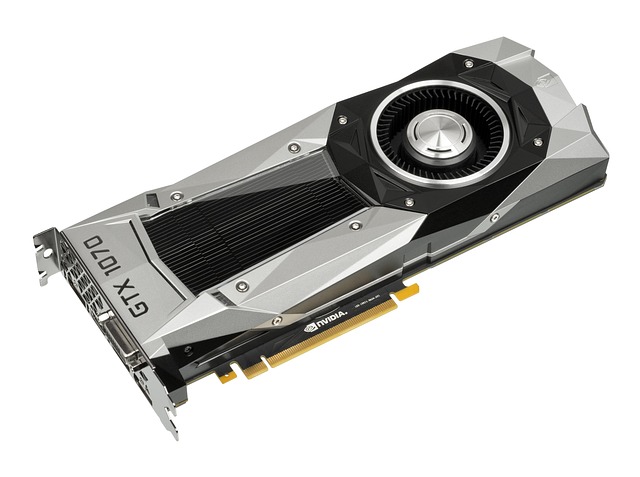
The simplest approach is to purchase shares and hold for years or decades. Long-term holders of NVIDIA have been richly rewarded, particularly those who weathered volatility during cyclical downturns. This strategy minimizes trading costs, defers capital gains taxes, and aligns with the long-term thesis of AI-driven computing growth.
To execute a buy-and-hold strategy effectively, decide on a target allocation within your overall portfolio. Many financial planners suggest no single stock should exceed 5 to 10 percent of total holdings, though more concentrated positions can be appropriate for high-conviction investors.
Dollar-Cost Averaging
Rather than investing a lump sum, dollar-cost averaging involves purchasing a fixed dollar amount of NVIDIA shares on a regular schedule, such as monthly or quarterly. This approach reduces the risk of buying at a market peak and smooths out volatility over time.
For example, an investor committing 500 dollars per month to NVIDIA shares will accumulate more shares when prices are low and fewer when prices are high. Over years of consistent investing, this discipline often produces favorable average cost basis compared to market timing attempts.
Lump Sum Investing After Pullbacks
Investors who maintain cash reserves can deploy capital during market corrections. NVIDIA, like all growth stocks, experiences periodic 20 to 40 percent drawdowns even during bull markets. Identifying support levels using technical analysis or simply waiting for valuations to compress can provide attractive entry points.
This strategy requires emotional discipline. The pullbacks that create opportunities often coincide with negative headlines that make buying feel uncomfortable. Investors who can buy when others are fearful tend to outperform over long periods.
Position Sizing
Regardless of which entry strategy you choose, position sizing matters. Never invest money you cannot afford to lose, and ensure NVIDIA fits within a diversified portfolio. Concentrating too heavily in any single name, even a strong company like NVIDIA, exposes you to company-specific risks.
Passive Income Strategies Using NVIDIA
NVIDIA itself pays a small dividend, so direct dividend income is modest. However, several strategies can generate meaningful passive income from your NVIDIA holdings.
Covered Call Writing
Once you own at least 100 shares of NVIDIA, you can sell covered call options. A covered call gives the buyer the right to purchase your shares at a specified strike price by a certain expiration date. In exchange, you receive a premium upfront.
For example, if NVIDIA trades at 500 dollars and you sell a one-month call option with a 550 strike, you might collect 10 to 20 dollars per share in premium. If the stock stays below 550, you keep both the premium and the shares. If it rises above 550, your shares get called away at 550, but you still keep the premium plus capital appreciation up to the strike.
The risks include capping your upside if NVIDIA rallies sharply and tying up your shares as collateral. However, monthly covered call premiums on a volatile stock like NVIDIA can generate substantial recurring income, often equivalent to 1 to 3 percent monthly yields when implied volatility is elevated.
Cash-Secured Put Selling
If you do not yet own NVIDIA but want to acquire shares at a discount, selling cash-secured puts provides another income stream. You agree to buy 100 shares at a specified strike price by expiration, and you receive a premium for taking on this obligation.
If NVIDIA stays above the strike, the put expires worthless and you keep the premium. If it falls below, you purchase shares at the strike price, with your effective cost basis reduced by the premium received. This strategy suits investors who would be happy to own NVIDIA at lower prices and have cash available to back the obligation.
Wheel Strategy
The wheel strategy combines cash-secured puts and covered calls into a continuous income generation cycle. You start by selling cash-secured puts on NVIDIA. If the puts expire worthless, you collect the premium and sell more puts. If you get assigned shares, you switch to selling covered calls on those shares. When the calls eventually get assigned and your shares are called away, you return to selling cash-secured puts.
This systematic approach can generate consistent income while maintaining exposure to NVIDIA’s underlying performance. Many practitioners report annualized yields of 15 to 30 percent using the wheel strategy on volatile growth stocks, though results vary based on market conditions and execution.
Margin Lending Income
Some brokerage platforms allow you to enroll in fully paid securities lending programs. Your shares get loaned to short sellers, and you receive a portion of the lending fees. While individual yields are typically modest, this represents truly passive income that requires no active management.
NVIDIA-Adjacent Income ETFs
Several exchange-traded funds focus on technology and semiconductor companies while paying meaningful dividends. Funds that hold NVIDIA alongside dividend-paying tech peers can provide indirect exposure with current income. Examples include broad technology dividend ETFs and covered call ETFs that target the Nasdaq-100 or semiconductor index.
Risk Management

Concentration Risk
Even the best companies can suffer dramatic declines. Avoid letting NVIDIA become an oversized portion of your portfolio. Rebalance periodically to trim positions that have grown too large, redirecting proceeds to underweight positions or other opportunities.
Sector Risk
NVIDIA operates in the cyclical semiconductor industry. While AI demand has provided remarkable growth, semiconductor companies historically experience boom-and-bust cycles. Maintain exposure to non-semiconductor sectors to balance portfolio volatility.
Geopolitical Risk
NVIDIA’s supply chain depends heavily on Taiwan Semiconductor Manufacturing Company. Geopolitical tensions involving Taiwan could disrupt production. Additionally, export controls on advanced chips to certain countries affect NVIDIA’s addressable market.
Competition Risk
Competitors including AMD, Intel, custom silicon from cloud providers like Google and Amazon, and emerging AI chip startups all aim to challenge NVIDIA’s dominance. Monitor competitive developments and be prepared to reassess your thesis if NVIDIA’s moat erodes.
Valuation Risk
High-multiple stocks can experience severe corrections when growth expectations reset. If revenue growth slows or margins compress, valuation multiples often contract simultaneously, creating significant drawdowns even when the business remains fundamentally healthy.
Practical Tips for NVIDIA Investors
Use Limit Orders
Always use limit orders rather than market orders, especially during volatile sessions. Market orders can fill at unfavorable prices, while limit orders ensure you transact only at your specified price or better.
Track Earnings Cycles
NVIDIA’s quarterly earnings reports often produce significant price movements. Some investors avoid buying or selling immediately before earnings to sidestep volatility. Others position around earnings using options to express specific views.
Monitor Insider Activity
Track insider buying and selling through SEC filings. While insider sales can occur for many personal reasons, sustained insider buying often signals confidence in future prospects.
Stay Informed
Follow NVIDIA’s investor relations page, attend webcast earnings calls, and read transcripts. The company’s GTC conferences provide deep insights into product roadmaps and strategic direction.
Tax Efficiency
Hold NVIDIA in tax-advantaged accounts when possible. Long-term capital gains rates apply to shares held over one year, providing significant tax benefits over short-term trading. Consult a tax professional for guidance specific to your situation.
Avoid Leverage
Margin loans and leveraged ETFs amplify both gains and losses. While leverage can accelerate wealth building during favorable periods, it can also produce devastating losses during corrections. New investors should avoid leverage until they have substantial experience.
Building a Long-Term Plan
A successful NVIDIA investment strategy requires clarity about your goals, time horizon, and risk tolerance. Start by defining what you want to achieve. Are you building wealth for retirement decades away? Generating supplemental income from existing capital? Funding a specific goal in five years?
Match your strategy to your goals. Long-horizon investors can tolerate more volatility and benefit from buy-and-hold approaches. Income-focused investors should emphasize options strategies and dividend ETFs. Investors near financial goals should consider reducing exposure to volatile single stocks.
Document your investment thesis in writing. What drives your conviction in NVIDIA? What would change your mind? Reviewing your written thesis quarterly helps prevent emotional decisions during volatile periods.
Conclusion
NVIDIA represents one of the defining investment opportunities of this technological era. Its dominant position in AI computing, robust software ecosystem, and consistent innovation create a compelling long-term thesis. However, no investment is without risk, and concentration in any single name requires careful management.
The strategies outlined in this guide, from straightforward buy-and-hold approaches to sophisticated options techniques like the wheel strategy, offer multiple paths for participating in NVIDIA’s growth while generating passive income. The right approach depends on your individual circumstances, capital, and comfort with complexity.
Whatever strategy you choose, prioritize education, risk management, and discipline. Markets reward patient investors who understand what they own and why. By combining conviction with prudent risk management, NVIDIA can play a valuable role in a diversified portfolio aimed at building long-term wealth and generating sustainable passive income.
Remember that this guide is educational in nature and not personalized financial advice. Before making investment decisions, consider consulting with a qualified financial advisor who can evaluate your specific circumstances and recommend strategies appropriate for your goals.