Climate change represents one of the most pressing challenges I’ve witnessed in our lifetime. The Earth’s climate system is undergoing rapid transformations that affect every aspect of our daily lives, from the food we eat to the weather patterns we experience.
The primary driver of current climate change is the increase in greenhouse gases in our atmosphere, particularly carbon dioxide from burning fossil fuels. Since the Industrial Revolution, we’ve released unprecedented amounts of CO2 into the atmosphere, creating a blanket effect that traps heat from the sun. This process, known as the greenhouse effect, has caused global average temperatures to rise by approximately 1.1 degrees Celsius since pre-industrial times.
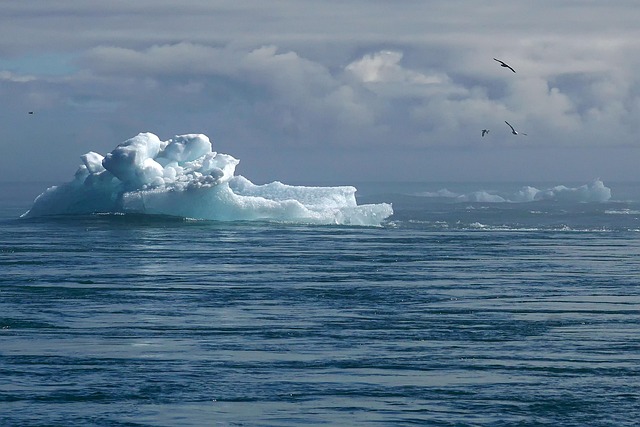
What concerns me most is the accelerating pace of these changes. Ice sheets in Greenland and Antarctica are melting faster than scientists predicted even a decade ago. Sea levels are rising, threatening coastal communities where millions of people live. I’ve observed how extreme weather events have become more frequent and intense – hurricanes carry more moisture, droughts last longer, and heatwaves break records year after year.
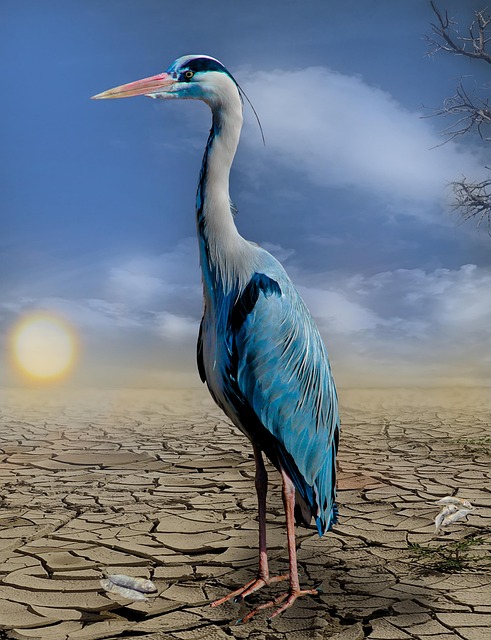
The impacts extend far beyond temperature changes. Ocean acidification, caused by the absorption of excess CO2, threatens marine ecosystems and the billions who depend on them for food and livelihoods. Shifting rainfall patterns disrupt agriculture, while rising temperatures enable the spread of diseases to new regions. Forest fires burn with greater intensity, releasing even more carbon into the atmosphere in a dangerous feedback loop.
Yet I remain hopeful because solutions exist. Renewable energy technologies like solar and wind power have become increasingly affordable and efficient. Electric vehicles are becoming mainstream, and innovations in battery storage are making clean energy more reliable. Nature-based solutions, such as reforestation and wetland restoration, offer powerful ways to capture carbon while providing other benefits.
Individual actions matter too. By reducing energy consumption, choosing sustainable transportation, and supporting climate-conscious policies and businesses, we can collectively drive the systemic changes needed. The transition to a low-carbon economy presents opportunities for innovation, job creation, and improved quality of life. The challenge is massive, but so is our capacity to address it when we work together with urgency and determination.