
Is space exploration worth the money? This question hits me every time I see another billion-dollar mission launch while problems persist here on Earth. But after really diving into this topic, I’ve come to see both sides of this fascinating debate.
The cost argument is what most people bring up first. Space missions are expensive – we’re talking billions of dollars for major projects. NASA’s budget alone is over $25 billion annually. When I think about what that money could do for healthcare, education, or poverty reduction, it does give me pause. Is it worth spending so much to explore the cosmos when we have pressing needs right here?
But here’s where my perspective shifted. Space exploration has given us technologies that we use every single day. GPS navigation, weather forecasting, satellite communications – these all came from space research. The water purification systems developed for astronauts now help communities worldwide access clean water. Medical devices monitoring patients in hospitals use technology originally designed for space missions. When I learned about these innovations, I realized space spending isn’t just about rockets and astronauts.
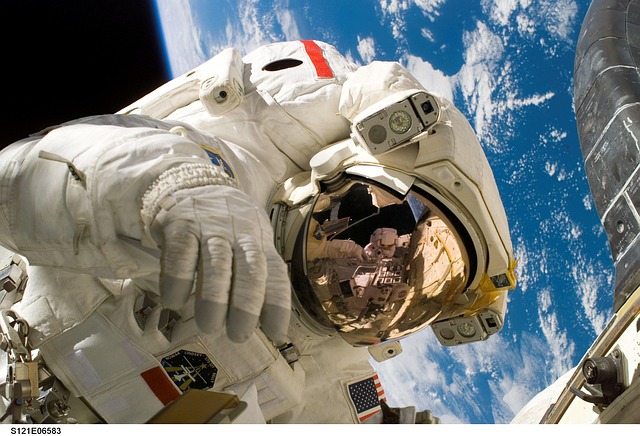
The economic returns are substantial too. For every dollar spent on space exploration, studies show we get back seven to fourteen dollars in economic benefit. The space industry creates high-tech jobs, drives innovation, and inspires entire generations to pursue STEM careers. Is that not worth the investment?
What really convinced me of space exploration’s worth is its ability to unite humanity. When I see images from the James Webb telescope or watch international crews working together on the ISS, I’m reminded that we’re all on this pale blue dot together. Space exploration pushes the boundaries of human achievement and shows us what we can accomplish when we work toward something greater than ourselves.