
# Stock Market Futures: Complete Trading Guide
Stock market futures are powerful financial instruments that allow traders to speculate on or hedge against future price movements of underlying assets. These derivative contracts represent agreements to buy or sell a specific asset at a predetermined price on a future date, making them essential tools for both institutional investors and individual traders seeking to manage risk or capitalize on market movements.
## Understanding the Basics
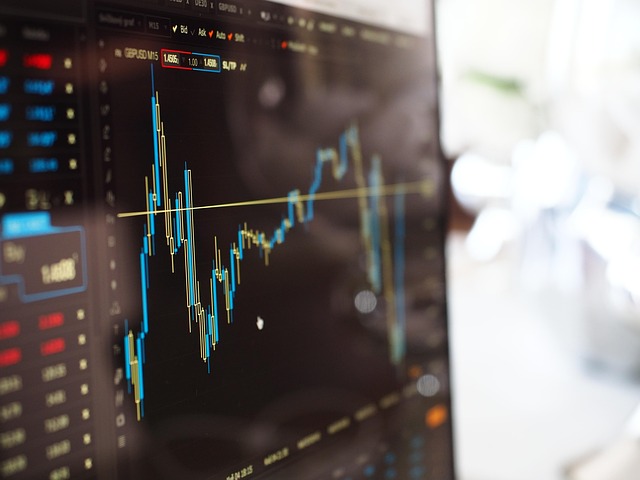
Futures contracts originated in agricultural markets centuries ago, allowing farmers to lock in prices for their crops before harvest. Today, futures have evolved into sophisticated financial instruments covering everything from stock indices and currencies to commodities and interest rates. When you trade futures, you’re essentially entering into a standardized contract that obligates you to buy or sell an underlying asset at a specific price on a predetermined future date.
The mechanics of futures trading involve several key components. First, there’s the underlying asset, which could be the S&P 500 index, crude oil, gold, or any other tradable commodity or financial instrument. Second, there’s the contract size, which specifies exactly how much of the underlying asset each contract represents. For example, one E-mini S&P 500 futures contract represents $50 times the index value. Third, there’s the expiration date, when the contract must be settled either through physical delivery or cash settlement.
Margin requirements make futures trading accessible while also amplifying both potential profits and losses. Unlike buying stocks outright, futures traders only need to deposit a fraction of the contract’s total value, typically 5-10%, as initial margin. This leverage means a small price movement in the underlying asset can result in significant gains or losses relative to your initial investment. Understanding this leverage effect is crucial for managing risk effectively in futures trading.
## Key Methods
### Step 1: Market Analysis and Strategy Development
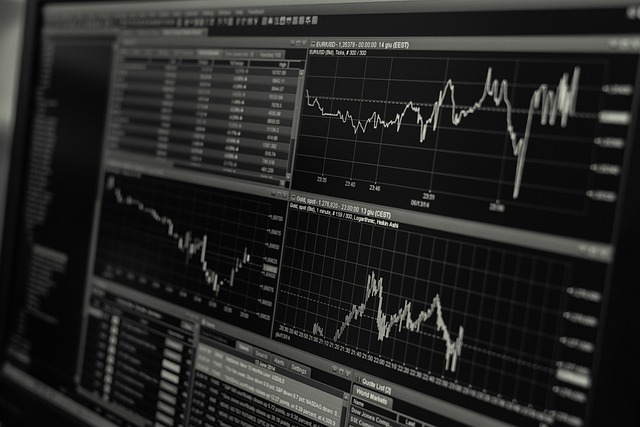
Before entering any futures trade, comprehensive market analysis forms the foundation of success. Start by examining both technical and fundamental factors affecting your chosen market. Technical analysis involves studying price charts, identifying trends, support and resistance levels, and using indicators like moving averages, RSI, and MACD to time your entries and exits. Look for chart patterns such as head and shoulders, triangles, or flag formations that often precede significant price movements.

Fundamental analysis requires understanding the economic forces driving supply and demand in your chosen market. For stock index futures, this means monitoring economic indicators like GDP growth, employment data, inflation rates, and central bank policies. For commodity futures, consider factors like weather patterns affecting agricultural products, geopolitical events impacting energy markets, or industrial demand influencing metals prices. Successful futures traders combine both analytical approaches to develop a comprehensive market view that informs their trading decisions.
### Step 2: Risk Management and Position Sizing
Implement strict stop-loss orders to protect against catastrophic losses. These can be traditional stop-losses, trailing stops that follow profitable positions, or time-based stops that exit positions if they haven’t moved favorably within a specific timeframe. Additionally, consider using options on futures to hedge your positions, buying protective puts or calls to limit downside risk while maintaining upside potential. Diversification across different markets and timeframes also helps reduce overall portfolio risk.

### Step 3: Execution and Trade Management
Precise execution timing can significantly impact your trading results. Use limit orders when entering positions during calm market conditions to ensure favorable fill prices. During volatile periods or when trading breakouts, market orders may be necessary to guarantee execution, though at potentially less favorable prices. Many successful traders scale into positions gradually, adding contracts as the market moves in their favor while maintaining their overall risk parameters.
## Practical Tips

**1. Start with Paper Trading:** Before risking real capital, spend at least three months paper trading to develop and test your strategies. Most brokers offer simulated trading platforms that replicate real market conditions without financial risk. Track your results meticulously, analyzing both winning and losing trades to identify patterns in your decision-making. This practice period helps build confidence and refine your approach before transitioning to live trading.
**2. Focus on One or Two Markets Initially:** Specialization leads to expertise. Rather than trying to trade multiple markets simultaneously, master one or two futures markets first. Learn their unique characteristics, seasonal patterns, and what news events typically cause significant price movements. For beginners, highly liquid markets like E-mini S&P 500 or crude oil futures offer tight spreads and consistent price action.
**3. Maintain a Detailed Trading Journal:** Document every trade with entry and exit points, reasons for taking the trade, market conditions, and emotional state. Review this journal weekly to identify strengths and weaknesses in your trading approach. Over time, patterns will emerge showing which setups work best for your trading style and which situations to avoid.
**4. Understand Contract Rollover:** Futures contracts expire, requiring traders to roll positions into the next contract month to maintain exposure. Learn the rollover calendar for your chosen markets and understand how price discrepancies between contract months can affect your positions. Many traders exit positions before expiration to avoid the complexity and potential costs of physical delivery.
**5. Use Multiple Timeframes:** Analyze markets across different timeframes to gain comprehensive perspective. Use weekly charts to identify major trends, daily charts for intermediate direction, and hourly or shorter timeframes for precise entry and exit timing. This multi-timeframe approach helps avoid trading against the dominant trend while finding optimal entry points.
## Important Considerations
Futures trading carries substantial risk that every trader must fully understand and accept. The leverage that makes futures attractive also amplifies losses, potentially exceeding your initial investment. Market gaps can occur overnight or over weekends, causing positions to move significantly against you before you can react. During extreme market conditions, liquidity can evaporate, making it difficult or impossible to exit positions at desired prices.
Regulatory requirements and tax implications vary significantly depending on your location and trading status. In the United States, futures profits receive favorable 60/40 tax treatment, with 60% taxed as long-term capital gains regardless of holding period. However, pattern day trading rules and minimum account requirements may apply. International traders face additional considerations including currency risk and potentially restricted market access. Consult with tax professionals and ensure full compliance with all applicable regulations before beginning your futures trading journey.
## Conclusion
Futures trading offers exceptional opportunities for those willing to invest the time and effort required to master these complex instruments. Success demands continuous education, disciplined risk management, and emotional control during both winning and losing periods. The journey from novice to profitable futures trader typically takes years, not months, requiring patience and persistence through inevitable setbacks.
Start your futures trading journey with realistic expectations and a commitment to continuous improvement. Begin with thorough education, practice extensively through paper trading, and gradually transition to live trading with small positions. As your skills and confidence grow, you can increase position sizes while always maintaining strict risk management protocols. Remember that even experienced traders face losses; the key is ensuring your winners outweigh your losers over time. With dedication, discipline, and proper preparation, futures trading can become a rewarding component of your overall investment strategy, providing opportunities for profit in both rising and falling markets while serving as an effective portfolio hedging tool.