
# Stock Market Futures: Complete Trading Guide
Stock market futures are powerful financial instruments that allow traders to speculate on the future price of stocks, indices, commodities, and currencies. These derivative contracts represent agreements to buy or sell an underlying asset at a predetermined price on a specific future date, making them essential tools for both hedging and speculation in modern financial markets.
## Understanding the Basics
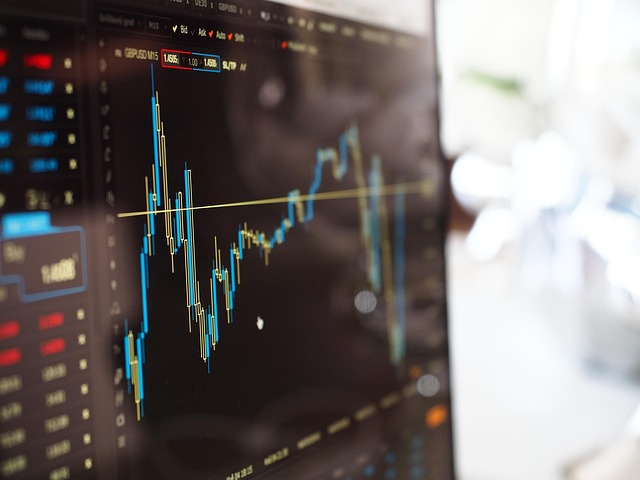
Futures contracts originated in agricultural markets where farmers needed to lock in prices for their crops before harvest. Today, they’ve evolved into sophisticated instruments traded on major exchanges worldwide. A futures contract is essentially a standardized agreement between two parties – the buyer (who goes “long”) agrees to purchase an asset at a set price on a future date, while the seller (who goes “short”) agrees to deliver it. What makes futures particularly attractive is leverage – traders only need to put up a small percentage of the contract’s value as margin, typically 5-10%, allowing them to control large positions with relatively small capital.
The mechanics are straightforward yet powerful. If you believe the S&P 500 index will rise, you might buy an E-mini S&P 500 futures contract. Each point movement in the index translates to $50 per contract. If the index rises 20 points, you profit $1,000 per contract. However, losses are equally magnified if the market moves against you. Futures trade nearly 24 hours a day, providing opportunities to react to global events as they unfold. Unlike stocks, futures have expiration dates – typically quarterly for index futures – requiring traders to either close positions or roll them forward to the next contract period.
## Key Methods
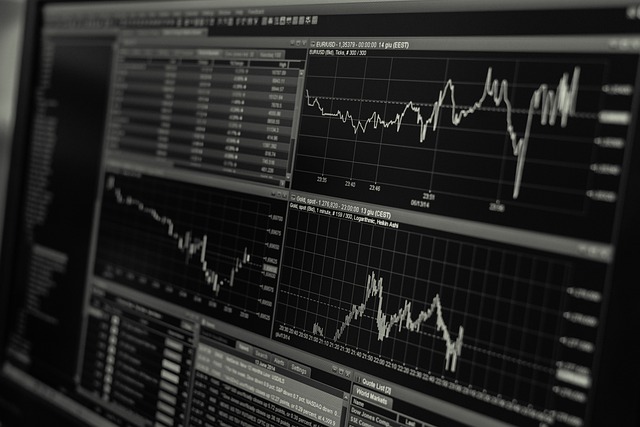
### Step 1: Market Analysis and Strategy Development
### Step 2: Risk Management and Position Sizing
### Step 3: Execution and Trade Management

## Practical Tips
**Master One Market First**: Focus on a single futures market initially, whether it’s equity indices like the E-mini S&P 500, commodities like crude oil, or currencies like the Euro FX futures. Each market has unique characteristics – equity futures often trend during the day session, crude oil responds to inventory reports and geopolitical events, while currency futures react to central bank decisions. Spend at least 3-6 months paper trading your chosen market to understand its personality, typical daily ranges, and how it responds to news events.
**Time Your Trading Sessions**: Different futures markets have optimal trading times. Equity index futures see highest volume during the U.S. cash market hours (9:30 AM – 4:00 PM ET), offering tighter spreads and better liquidity. European markets are most active during London hours, while Asian futures peak during their respective sessions. Currency futures often see increased volatility during the overlap between London and New York sessions (8:00 AM – 12:00 PM ET). Trade during these peak hours for better execution and clearer price action.

**Use Multiple Timeframes**: Analyze markets across multiple timeframes to gain perspective. Use weekly charts to identify the primary trend, daily charts for intermediate direction, and hourly or 15-minute charts for precise entry timing. This top-down approach prevents fighting the major trend while finding optimal entry points. A bullish setup on a 5-minute chart means little if the daily trend is strongly bearish.
**Understand Contract Specifications**: Each futures contract has specific multipliers, tick sizes, and margin requirements. The E-mini S&P 500 has a $50 multiplier per point, while micro E-mini contracts are one-tenth the size at $5 per point. Crude oil futures move in penny increments worth $10 each. Know these specifications before trading to accurately calculate profit/loss potential and required capital.
**Manage Overnight Risk**: Holding futures positions overnight exposes you to gap risk from news events, economic data, or global market movements. Consider closing day trades before market close or using smaller position sizes for overnight holds. Some traders use options on futures to hedge overnight exposure, buying protective puts or calls to limit potential losses from adverse gaps.
## Important Considerations
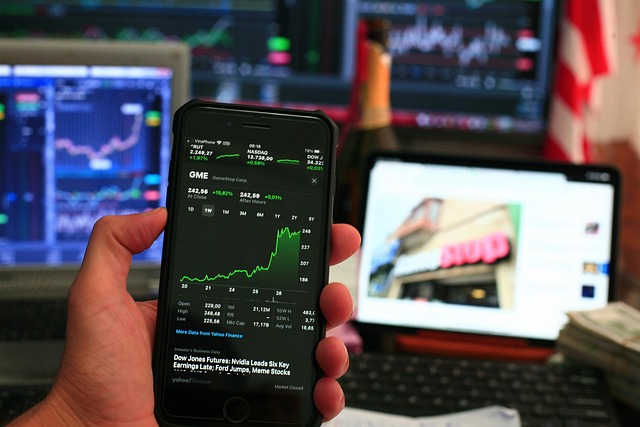
Futures trading carries substantial risk that can lead to losses exceeding your initial investment. The leverage that makes futures attractive also amplifies losses – a 5% adverse move in the underlying asset could wipe out your entire margin deposit. Margin calls require immediate additional funds or position liquidation, potentially forcing you to close positions at the worst possible time. Market volatility can cause rapid, severe price swings that trigger stops far from intended levels, especially during major economic announcements or unexpected events.
Psychological challenges often prove more difficult than technical analysis. The pressure of leveraged positions can cloud judgment, leading to emotional decisions like averaging down on losing positions or taking profits too early on winners. Many traders experience significant losses during their learning curve – statistics suggest 80-90% of futures traders lose money, particularly in their first year. Success requires exceptional discipline, continuous education, and the financial capacity to withstand inevitable drawdowns. Consider starting with micro contracts or paper trading until you develop consistent profitability over at least 100 trades.
## Conclusion
Stock market futures offer tremendous opportunities for traders willing to master their complexities and manage their risks. These versatile instruments provide leverage, liquidity, and nearly round-the-clock trading across global markets. Success requires developing a solid foundation in market analysis, implementing robust risk management, and maintaining unwavering discipline in execution. Start slowly with proper education and paper trading, gradually building experience and confidence before committing significant capital.