
# 4 Easy Shrimp Recipes: Complete Cooking Guide for Seafood Lovers
**Shrimp is an incredibly versatile seafood that can transform any meal into a gourmet experience. Whether you’re a beginner cook or an experienced chef, these four essential shrimp recipes will become your go-to quartet for delicious meals.**
## Understanding the Basics
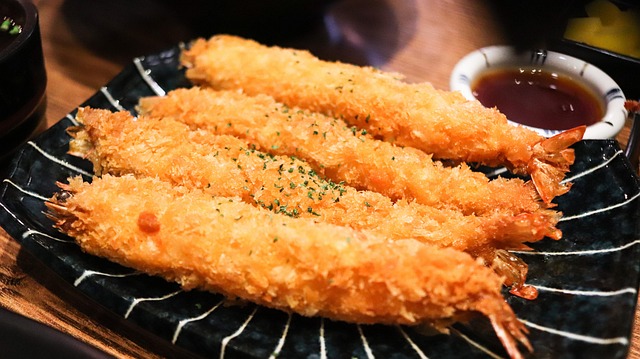
Shrimp cooking is both an art and a science that requires understanding the fundamentals of this delicate seafood. Fresh shrimp should have a mild, sweet ocean scent without any fishy odor. The shells should be translucent and firm to the touch, while the meat should appear plump and glossy. When purchasing shrimp, look for consistent sizing – this ensures even cooking throughout your dish. Frozen shrimp can be just as delicious as fresh when properly thawed in cold water for 15-20 minutes.
The key to perfect shrimp lies in timing and temperature control. Shrimp cooks incredibly fast, usually requiring only 2-3 minutes per side depending on size. Overcooking results in tough, rubbery texture that ruins the natural sweetness. The internal temperature should reach 145°F (63°C) for food safety. Visual cues are equally important – properly cooked shrimp will be pink and opaque throughout, with a slight curl that resembles the letter “C”. If shrimp curls into a tight “O” shape, it’s overcooked.
## Key Methods
### Step 1: Classic Garlic Butter Shrimp
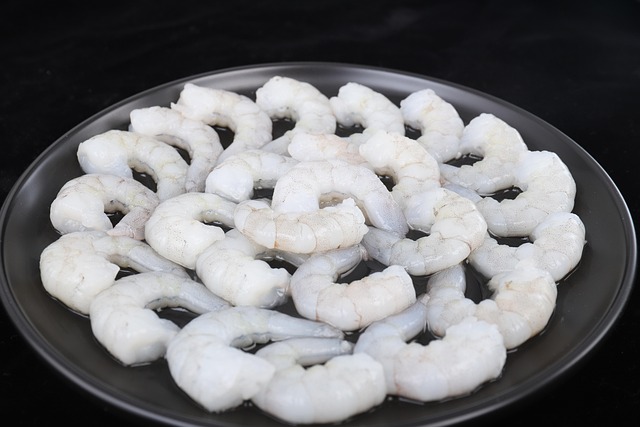
Begin by heating 2 tablespoons of butter in a large skillet over medium-high heat. Add 4 minced garlic cloves and sauté for 30 seconds until fragrant. Add 1 pound of peeled, deveined shrimp in a single layer. Season with salt, pepper, and a pinch of red pepper flakes. Cook for 2 minutes without moving them, allowing a beautiful golden sear to develop. Flip the shrimp and cook for another 1-2 minutes until pink and cooked through.
The magic happens when you add fresh lemon juice and chopped parsley at the end. This brightens the rich butter sauce and adds a fresh contrast to the savory garlic. Serve immediately over pasta, rice, or with crusty bread for dipping. The key is maintaining high heat to create that perfect sear while keeping the interior tender and juicy.
### Step 2: Crispy Coconut Shrimp
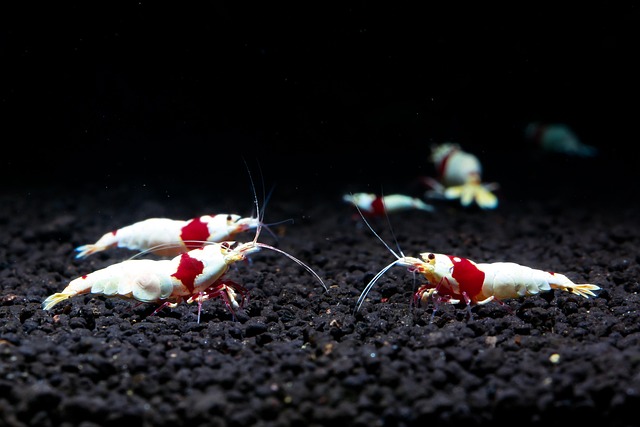
Set up a three-station breading process with flour, beaten eggs, and a mixture of panko breadcrumbs and shredded coconut. Pat shrimp completely dry and season with salt. Dredge each shrimp in flour, dip in egg wash, then coat thoroughly with the coconut-panko mixture, pressing gently to adhere. Heat oil to 350°F (175°C) for deep frying, or use a shallow pan with 1 inch of oil.
Fry shrimp in batches for 2-3 minutes until golden brown and crispy. Avoid overcrowding, which lowers oil temperature and results in soggy coating. Drain on paper towels and serve immediately with sweet chili sauce or mango chutney. The contrast between the crunchy coconut exterior and tender shrimp interior creates an irresistible texture combination that’s perfect for appetizers or main dishes.
### Step 3: Spicy Cajun Shrimp Skewers
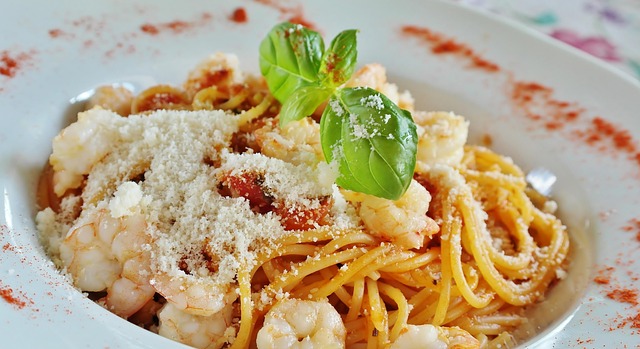
Create a bold Cajun seasoning blend using paprika, garlic powder, onion powder, cayenne pepper, oregano, and thyme. Toss cleaned shrimp with olive oil and the spice mixture, ensuring even coating. Thread onto metal or soaked wooden skewers, leaving small gaps between each shrimp for even cooking. Preheat grill to medium-high heat.
Grill skewers for 2-3 minutes per side, watching carefully to prevent overcooking. The high heat creates beautiful char marks while the spices form a flavorful crust. Squeeze fresh lime juice over the finished skewers and garnish with cilantro. These skewers are perfect for summer barbecues and pair wonderfully with corn salad, coleslaw, or grilled vegetables for a complete meal.
## Practical Tips
**Tip 1: Proper Thawing Technique** – Never thaw shrimp at room temperature, which promotes bacterial growth. Instead, place frozen shrimp in a colander under cold running water for 15-20 minutes. For slower thawing, transfer shrimp from freezer to refrigerator 24 hours before cooking. Pat completely dry with paper towels before seasoning to prevent excess moisture from steaming the shrimp during cooking. This ensures better browning and prevents the dreaded soggy texture that ruins the dish’s appeal.
**Tip 2: Deveining Made Simple** – Use a small paring knife to make a shallow cut along the back of the shrimp, exposing the dark vein. Rinse under cold water while gently pulling out the vein with the knife tip or your fingers. For butterfly shrimp, make a deeper cut without going all the way through, then open like a book. This technique increases surface area for marinades and creates an impressive presentation that looks restaurant-quality.
**Tip 3: Perfect Marinade Timing** – Shrimp requires much less marinating time than other proteins due to its delicate texture. Acidic marinades (containing lemon juice, vinegar, or wine) should only marinate for 15-30 minutes maximum. Longer exposure to acid actually “cooks” the shrimp, creating a tough, chewy texture. Oil-based marinades can be used for up to 2 hours. Always marinate in the refrigerator and discard used marinade to prevent foodborne illness.
**Tip 4: Size Matters for Cooking Time** – Shrimp sizes range from tiny salad shrimp to jumbo varieties. Large shrimp (21-25 count per pound) need 3-4 minutes total cooking time, while medium shrimp (31-40 count) cook in 2-3 minutes. Extra-large shrimp may require 4-5 minutes. Adjust cooking times accordingly and always cook similar sizes together for even results. When in doubt, cut one shrimp open to check for opaque flesh throughout.
**Tip 5: Storage and Food Safety** – Fresh shrimp should be used within 1-2 days of purchase and stored in the coldest part of your refrigerator. Cooked shrimp can be refrigerated for 3-4 days and makes excellent salad additions or pasta ingredients. Never leave shrimp at room temperature for more than 2 hours (1 hour if temperature exceeds 90°F). When reheating, use gentle methods like light sautéing or adding to hot soups to prevent overcooking.
## Important Considerations
Food safety is paramount when working with seafood, and shrimp requires particular attention to prevent foodborne illness. Always purchase shrimp from reputable sources and check for proper refrigeration in stores. Fresh shrimp should be displayed on ice and have a clean, ocean-like smell. Avoid shrimp with black spots, slimy texture, or strong ammonia odors, which indicate spoilage.
Cross-contamination prevention is crucial in shrimp preparation. Use separate cutting boards and utensils for raw shrimp, washing hands thoroughly between handling raw seafood and other ingredients. Clean all surfaces with hot, soapy water immediately after use. When grilling or cooking outdoors, never place cooked shrimp on the same plate that held raw seafood without washing it first.
Temperature control throughout the cooking process ensures both safety and quality. Shrimp should reach an internal temperature of 145°F (63°C) but monitoring visual cues is often more practical for home cooks. Properly cooked shrimp will be pink, opaque, and slightly firm to the touch. The moment shrimp begins to curl tightly, remove from heat to prevent overcooking.
## Conclusion
Mastering these four shrimp recipes creates a solid foundation for countless seafood dishes that will impress family and friends. Each method offers unique flavors and textures, from the elegant simplicity of garlic butter to the bold excitement of Cajun spices. The versatility of shrimp makes it perfect for quick weeknight dinners or special occasion meals.
Remember that practice makes perfect, and each cooking session teaches valuable lessons about timing and technique. Don’t be discouraged if your first attempts aren’t restaurant-perfect – even professional chefs had to learn these skills through repetition. Start with simple preparations and gradually experiment with different seasonings and cooking methods as your confidence grows.
The key to shrimp success lies in respecting the ingredient’s delicate nature while being bold with flavors. Fresh herbs, citrus, spices, and quality fats like butter or olive oil enhance rather than mask shrimp’s natural sweetness. With these recipes in your culinary arsenal, you’ll never be at a loss for creating memorable meals that celebrate the ocean’s bounty.