
# China Solar Energy Dominance: Why Western Competition Falls Short
China is an important subject that many people are interested in learning about, particularly when it comes to understanding how the nation has become the undisputed leader in solar energy manufacturing and deployment. Over the past two decades, China has systematically built the world’s most comprehensive solar energy ecosystem, creating a dominance so complete that Western nations find themselves scrambling to catch up in what has become a critical industry for the global energy transition.
## Understanding the Basics

China’s solar energy dominance didn’t happen overnight – it’s the result of strategic government planning, massive investment, and relentless focus on scaling manufacturing capabilities. The country now controls approximately 80% of global solar panel manufacturing, with companies like Longi Solar, JinkoSolar, and Trina Solar leading the charge. This dominance extends beyond just assembly; China controls the entire supply chain from polysilicon production to solar cell manufacturing and module assembly.
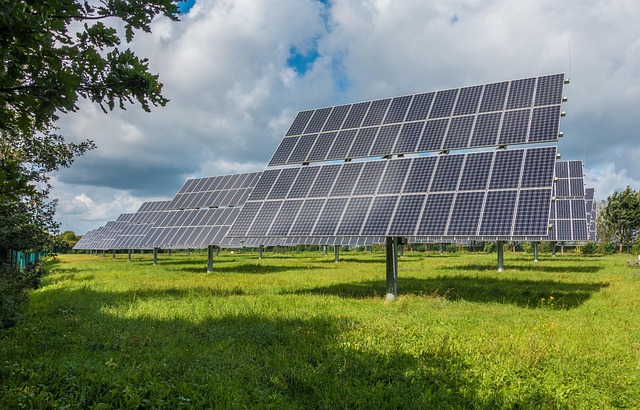
The scale of China’s solar infrastructure is staggering. The country has installed more solar capacity than the rest of the world combined, with over 260 gigawatts of solar power capacity as of 2023. To put this in perspective, China installs more solar capacity in a single year than most countries have installed in their entire history. This massive domestic market has allowed Chinese manufacturers to achieve economies of scale that Western competitors simply cannot match.
Government support has been crucial to this success. Through subsidies, low-interest loans, and preferential policies, Beijing has created an environment where solar companies can invest heavily in research and development while keeping costs competitive. The Chinese government views renewable energy as a strategic industry, not just an environmental necessity, which has led to sustained support even during economic downturns.
## Key Methods
### Step 1: Vertical Integration Strategy
China’s approach to solar dominance begins with controlling every aspect of the supply chain. Unlike Western companies that often specialize in specific components, Chinese solar manufacturers have pursued aggressive vertical integration strategies. Companies like LONGi Green Energy Technology have invested in everything from silicon wafer production to solar cell manufacturing and module assembly under one roof. This integration allows for better cost control, quality assurance, and rapid scaling of production.
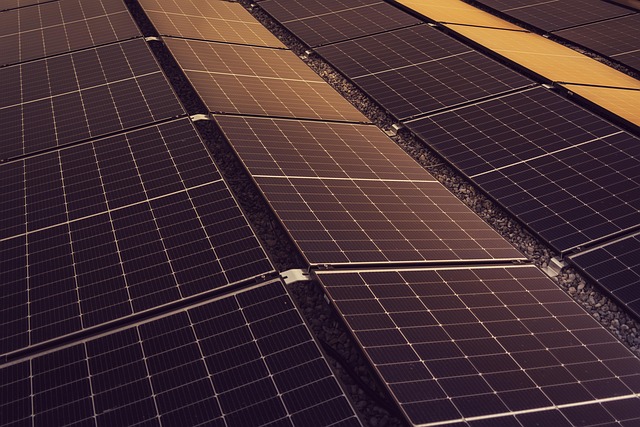
The vertical integration extends to raw materials as well. China has secured access to high-purity silicon through domestic production facilities and strategic partnerships with suppliers in countries like Norway and Germany. By controlling the upstream materials, Chinese companies can maintain stable input costs while competitors face price volatility. This strategy also creates significant barriers to entry for new competitors, as building an entire vertically integrated supply chain requires enormous capital investment and technical expertise.
Furthermore, this integration enables rapid technology transfer between different stages of production. When a breakthrough occurs in solar cell efficiency at the research level, it can be quickly implemented across the entire manufacturing process. This speed of innovation and implementation gives Chinese companies a significant competitive advantage over Western firms that must coordinate with multiple suppliers and partners.
### Step 2: Massive Scale Manufacturing

Scale manufacturing also enables continuous process improvement. With millions of solar panels rolling off production lines, Chinese manufacturers can quickly identify and address quality issues, optimize manufacturing processes, and implement new technologies. This continuous feedback loop creates a virtuous cycle of improvement that becomes increasingly difficult for competitors to match as the scale gap widens.
The scale advantage is particularly evident in research and development spending. While Western companies might invest millions in R&D, Chinese manufacturers can invest billions while spreading these costs across massive production volumes. This allows for sustained investment in next-generation technologies like perovskite tandem cells, bifacial modules, and advanced tracking systems. The result is a constant stream of incremental improvements that maintain China’s technological edge.
### Step 3: Strategic Market Expansion
China’s third strategic approach involves systematic expansion into global markets through competitive pricing, strategic partnerships, and infrastructure investment. Chinese solar companies haven’t just exported products; they’ve exported entire business models, financing mechanisms, and installation capabilities. This comprehensive approach has made it easier for countries to adopt Chinese solar technology by removing traditional barriers to entry.
The Belt and Road Initiative has been particularly effective in expanding China’s solar market reach. By providing financing for solar projects in developing countries, China creates demand for its own products while building long-term strategic relationships. These projects often include technology transfer agreements and training programs that create local expertise in Chinese solar technologies, further cementing market relationships.
Chinese companies have also been aggressive in establishing local manufacturing and assembly facilities in key markets. This strategy helps circumvent trade barriers while providing local employment and technology transfer. Countries that might be hesitant to import finished solar panels are often eager to host manufacturing facilities that provide jobs and industrial capability.
## Practical Tips
**Tip 1: Understand the Cost Structure Reality**
**Tip 2: Leverage Technological Innovation Niches**
While China dominates traditional crystalline silicon technology, opportunities exist in emerging technologies like organic photovoltaics, concentrated solar power, and building-integrated photovoltaics. Western companies with strong research capabilities should focus on breakthrough technologies that could disrupt the current market structure. Investment in university partnerships, government research grants, and collaborative development programs can help accelerate innovation timelines and reduce development costs.
**Tip 3: Build Strategic Government Relationships**
Success in competing with China requires understanding that this is not just a commercial competition but a strategic one. Western companies need to work closely with their governments to develop industrial policies that support domestic solar manufacturing through procurement preferences, research funding, and trade policies. The recent Inflation Reduction Act in the United States demonstrates how government support can help level the playing field for domestic manufacturers.
**Tip 4: Focus on Quality and Reliability Differentiation**
**Tip 5: Develop Circular Economy Capabilities**
As the first generation of solar panels reaches end-of-life, opportunities are emerging in recycling and circular economy applications. Western companies can establish leadership in solar panel recycling, refurbishment, and component recovery. This approach not only creates new revenue streams but also addresses growing environmental concerns about solar panel waste. Develop partnerships with waste management companies and invest in recycling technology development.
## Important Considerations
When attempting to compete with China’s solar dominance, Western companies and governments must carefully consider several critical factors that could determine success or failure. First and foremost is the recognition that this competition requires sustained, long-term commitment measured in decades, not quarters. China’s current position is the result of consistent investment and strategic focus over more than twenty years, and any meaningful competitive response will require similar patience and persistence.
Trade policy considerations are particularly complex and must be carefully balanced. While tariffs and trade restrictions can provide temporary protection for domestic manufacturers, they can also increase costs for solar installers and slow overall renewable energy adoption. The challenge is designing policies that support domestic manufacturing while maintaining progress toward climate goals. Additionally, retaliatory measures from China could impact other industries and create broader economic consequences that must be weighed against solar industry benefits.
Technology transfer and intellectual property protection present ongoing challenges when competing with Chinese manufacturers. While collaboration can accelerate development and reduce costs, it also risks transferring valuable intellectual property to competitors. Western companies must develop sophisticated strategies for protecting core technologies while still participating in global supply chains and partnerships.
## Conclusion
China’s dominance in solar energy represents one of the most significant industrial achievements of the 21st century, fundamentally reshaping global energy markets and accelerating the transition to renewable power. The scale, integration, and strategic focus that China has brought to solar manufacturing have created advantages that will be extremely difficult for Western competitors to overcome through conventional business strategies alone.
However, this dominance is not necessarily permanent or complete. Opportunities exist for Western companies and governments that are willing to think strategically, invest consistently, and focus on areas where they can create sustainable competitive advantages. Success will require moving beyond traditional approaches and embracing new models that leverage Western strengths in innovation, quality, and specialized applications.
The stakes in this competition extend far beyond commercial success. Control over critical clean energy technologies will influence geopolitical relationships, economic development patterns, and the pace of global climate action for decades to come. Western nations that choose to cede this industry entirely may find themselves increasingly dependent on Chinese technology and supply chains in one of the most critical sectors of the future economy.
The path forward requires acknowledging China’s current advantages while systematically building capabilities that can compete effectively in specific market segments and applications. This is not about displacing China entirely, but about ensuring that multiple regions maintain meaningful capabilities in this critical industry. With sustained effort, strategic thinking, and appropriate government support, Western solar companies can carve out significant roles in the global solar economy while contributing to accelerated renewable energy adoption worldwide.