
# Intel Stock: Turnaround OR Value Trap? – INTC Stock Analysis
Intel is an important subject that many people are interested in learning about, especially as the semiconductor giant faces one of the most challenging periods in its storied history. With shares trading near multi-year lows and the company grappling with increased competition from AMD, NVIDIA, and emerging players in the chip industry, investors are left wondering whether Intel represents a compelling turnaround opportunity or a classic value trap that could continue declining despite seemingly attractive valuations.
## Understanding the Basics
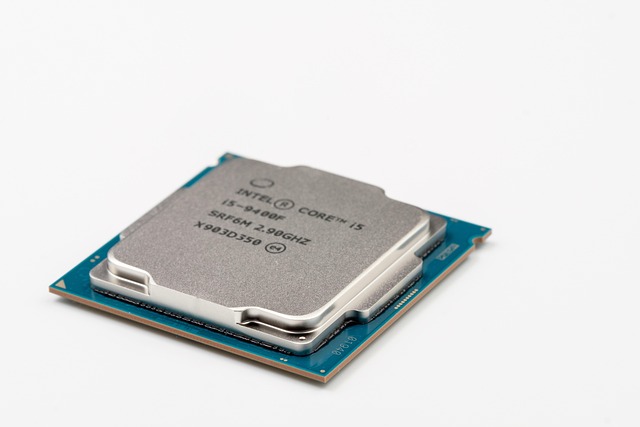
Intel Corporation, founded in 1968, has long been synonymous with computer processors and semiconductor innovation. For decades, the company dominated the CPU market with its x86 architecture, maintaining a technological edge through superior manufacturing processes and design capabilities. However, the landscape has shifted dramatically in recent years, challenging Intel’s traditional dominance.
The company’s current struggles stem from multiple factors. First, Intel lost its manufacturing edge to Taiwan Semiconductor Manufacturing Company (TSMC), which now produces the most advanced chips for competitors like Apple and AMD. This manufacturing disadvantage has allowed competitors to create more efficient and powerful processors, eroding Intel’s market share in both consumer and data center markets.
Third, geopolitical tensions and supply chain disruptions have highlighted the vulnerabilities in global semiconductor manufacturing, prompting governments to invest heavily in domestic chip production. While this presents opportunities for Intel through initiatives like the CHIPS Act, it also increases competition and complexity in the market.
The financial impact has been significant. Intel’s revenue has declined year-over-year, margins have compressed due to increased competition and manufacturing challenges, and the company has been forced to cut its dividend for the first time in decades. These factors have contributed to a dramatic decline in the stock price, making it appear attractively valued on traditional metrics like price-to-earnings and price-to-book ratios.
## Key Methods
### Step 1: Analyzing Financial Health and Turnaround Progress
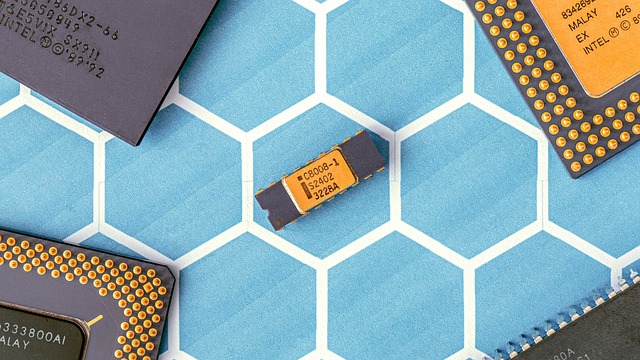
The first step in evaluating Intel as an investment opportunity involves conducting a thorough analysis of the company’s financial health and the concrete progress being made in its turnaround efforts. Investors should examine Intel’s cash flow generation, debt levels, and capital allocation decisions to understand whether the company has the financial resources necessary to execute its ambitious turnaround plan.
Intel’s balance sheet remains relatively strong despite recent challenges, with substantial cash reserves and manageable debt levels. However, the company is embarking on a capital-intensive expansion of its manufacturing capabilities, including new fabs in Ohio, Arizona, and internationally. These investments require billions of dollars and will pressure free cash flow for several years before generating returns.
Key metrics to monitor include gross margins, which have been under pressure due to competitive pricing and manufacturing inefficiencies, and research and development spending as a percentage of revenue, which indicates Intel’s commitment to innovation. The company’s ability to maintain investment in next-generation technologies while managing current operations will be crucial for long-term success.
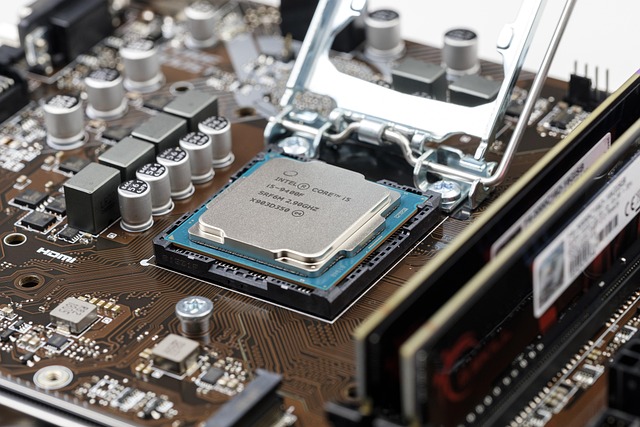
Progress indicators include manufacturing milestones, such as the successful production of Intel 4 and Intel 3 process nodes, partnership announcements with foundry customers, and market share data in key segments like data center processors and emerging markets like automotive chips. Investors should also track Intel’s progress in reducing its dependence on traditional PC processors by diversifying into growth areas like data center, edge computing, and autonomous vehicles.
### Step 2: Competitive Positioning and Market Dynamics Assessment
Understanding Intel’s competitive position requires analyzing the broader semiconductor market dynamics and how the company stacks up against key rivals like AMD, NVIDIA, and emerging players in various chip segments. This analysis should consider both current market positions and future growth trajectories in different end markets.
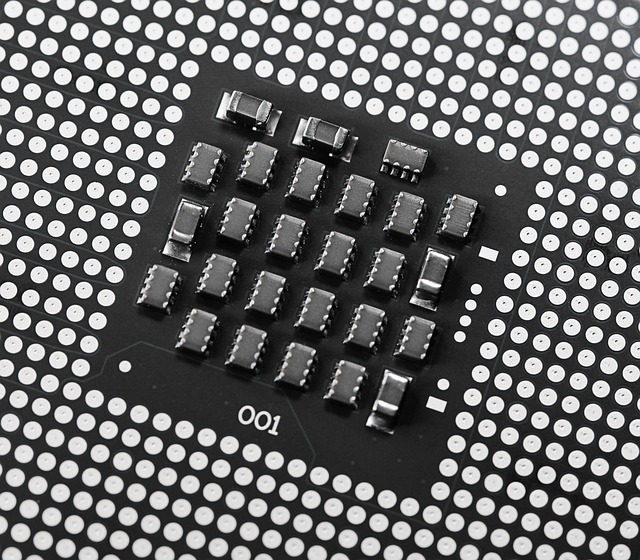
In the CPU market, AMD has gained significant market share through its Ryzen processors, which offer competitive performance at attractive price points. Intel’s response includes its new hybrid architecture processors and improvements in manufacturing efficiency, but regaining lost ground will require sustained execution over multiple product cycles.
The data center market represents both the biggest challenge and opportunity for Intel. While the company still maintains a substantial market share in server processors, competition from AMD’s EPYC processors and custom chips from cloud providers like Amazon and Google threatens Intel’s dominance. The company’s ability to deliver competitive products while building a foundry business to serve these same competitors creates complex dynamics that investors must carefully evaluate.
In emerging markets like AI accelerators, automotive chips, and edge computing, Intel faces intense competition but also significant growth opportunities. The company’s investments in these areas, including acquisitions like Mobileye and development of specialized processors, represent attempts to diversify beyond traditional strengths.
Investors should also consider the geopolitical factors affecting semiconductor competition, including trade restrictions, government subsidies, and the push for domestic manufacturing capabilities in key markets like the United States, Europe, and Asia.
### Step 3: Valuation Analysis and Risk Assessment
The final step involves conducting a comprehensive valuation analysis that considers both traditional financial metrics and the unique risks and opportunities facing Intel in its current transition period. This analysis must account for the cyclical nature of the semiconductor industry and the long-term structural changes affecting the market.
From a traditional valuation perspective, Intel appears attractively priced with a low price-to-earnings ratio and dividend yield that, while recently cut, still provides income to investors. However, these metrics may be misleading if the company’s earnings power has been permanently impaired by competitive losses and structural changes in the industry.
A more nuanced approach involves analyzing Intel’s sum-of-the-parts valuation, considering the different business segments and their respective growth prospects and competitive positions. The foundry business, if successful, could represent significant value creation, while traditional CPU businesses may face continued pressure.
Risk assessment must consider execution risks related to Intel’s turnaround plan, including the possibility of further manufacturing delays, increased competition in key markets, and the substantial capital requirements for the company’s expansion plans. Regulatory risks, including potential changes to government subsidies and trade policies, also represent important considerations for long-term investors.
## Practical Tips
**Tip 1: Monitor Manufacturing Milestones Closely** – Intel’s turnaround fundamentally depends on its ability to regain manufacturing leadership and build a successful foundry business. Investors should track specific milestones such as the successful production of advanced process nodes, customer wins for the foundry business, and yield improvements in new manufacturing facilities. Pay attention to quarterly updates on Intel 4, Intel 3, and future process technologies, as delays or setbacks in these areas could significantly impact the investment thesis. Manufacturing excellence is not just about technology but also about cost competitiveness and reliability, factors that will determine whether Intel can win back customers who have migrated to TSMC and other foundries.
**Tip 2: Diversification Progress Beyond Traditional PCs** – While Intel’s PC processor business remains important, the company’s future growth depends on successfully diversifying into higher-growth markets like data centers, AI, automotive, and edge computing. Track revenue growth and market share gains in these segments, paying particular attention to design wins with major customers and the ramp-up of new products. The data center business is especially critical, as it represents both Intel’s largest growth opportunity and its most competitive battleground against AMD and custom chip designs from cloud providers.
**Tip 3: Cash Flow Management and Capital Allocation** – Given Intel’s massive capital expenditure requirements for fab construction and equipment, careful monitoring of cash flow generation and capital allocation decisions is essential. Look for signs that the company can maintain adequate free cash flow to fund growth investments while returning capital to shareholders. The recent dividend cut was painful but may have been necessary to preserve financial flexibility during the turnaround period. Evaluate whether management is making disciplined decisions about which projects to fund and which to defer or cancel.
**Tip 4: Competitive Response and Product Roadmap Execution** – Intel’s ability to compete effectively requires not just catching up to current competitive offerings but leapfrogging them with superior next-generation products. Monitor the company’s product roadmaps across different segments and track actual product launches against stated timelines. Pay attention to independent benchmarks and customer feedback on Intel’s latest processors, as these provide objective measures of competitive positioning. The company’s hybrid architecture approach and chiplet designs represent important innovations that could help differentiate Intel’s offerings.
**Tip 5: Geopolitical and Industry Tailwinds** – The semiconductor industry is increasingly influenced by geopolitical considerations and government policies supporting domestic manufacturing. Intel stands to benefit significantly from initiatives like the U.S. CHIPS Act, European semiconductor investments, and the general trend toward supply chain diversification. However, these tailwinds come with strings attached, including requirements for domestic manufacturing and restrictions on certain international partnerships. Evaluate how effectively Intel is leveraging these opportunities while managing the associated compliance and operational complexities.
## Important Considerations
Investing in Intel at this juncture requires careful consideration of several important factors that could significantly impact the investment outcome. The semiconductor industry is notoriously cyclical, and Intel’s current challenges coincide with a broader downturn in chip demand, making it difficult to distinguish between cyclical and structural headwinds.
The most significant risk is execution risk related to Intel’s ambitious turnaround plan. The company is essentially attempting to rebuild its manufacturing capabilities while simultaneously entering new markets and defending existing positions against formidable competitors. This multi-front battle requires exceptional management execution and substantial financial resources, and there are no guarantees of success.
Competitive dynamics in the semiconductor industry are intensifying, with well-funded rivals continuing to invest heavily in research and development. NVIDIA’s dominance in AI chips, AMD’s continued gains in processors, and the emergence of custom chips from major technology companies create a challenging environment for Intel’s recovery efforts.
The capital-intensive nature of semiconductor manufacturing means that Intel’s investments today will determine its competitive position for years to come. However, these investments also create significant financial risk, particularly if demand patterns shift or if the company fails to execute effectively on its technology roadmap.
Regulatory and geopolitical risks represent another important consideration. While government support for domestic semiconductor manufacturing benefits Intel, changing political priorities or trade policies could impact the company’s access to markets, customers, or key technologies.
## Conclusion
Intel represents one of the most complex investment decisions in today’s market, embodying both the potential for significant returns and the risk of continued value destruction. The company’s fundamental strengths, including its technological capabilities, financial resources, and strategic importance to global technology infrastructure, provide a foundation for potential recovery. However, the challenges are equally substantial, requiring flawless execution in an increasingly competitive and rapidly evolving industry.
For investors considering Intel, the key question is not whether the company will survive – its scale and importance virtually guarantee its continued existence – but whether it can return to growth and profitability levels that justify current valuations and future investments. The turnaround timeline is likely measured in years rather than quarters, requiring patient capital and tolerance for continued volatility.
The most compelling case for Intel rests on the combination of attractive valuations, potential benefits from government support for domestic manufacturing, and the company’s substantial resources for executing its turnaround plan. However, investors must weigh these factors against execution risks, competitive pressures, and the possibility that structural changes in the industry have permanently impaired Intel’s earning power.
Ultimately, Intel may prove to be either a remarkable turnaround story or a cautionary tale about the challenges of maintaining leadership in rapidly evolving technology markets. Investors willing to accept these risks while maintaining appropriate position sizing may find Intel an interesting addition to a diversified portfolio, but the investment clearly requires careful monitoring and realistic expectations about the timeline for potential returns.