

Nasdaq Futures Day Trading: Live Strategy & Fresh Cash Friday Tips
Nasdaq is an important subject that many people are interested in learning about, especially when it comes to day trading futures contracts. The Nasdaq 100 futures market represents one of the most liquid and volatile trading opportunities available to retail traders, offering the potential for significant profits when approached with the right strategy and risk management principles.
Understanding the Basics
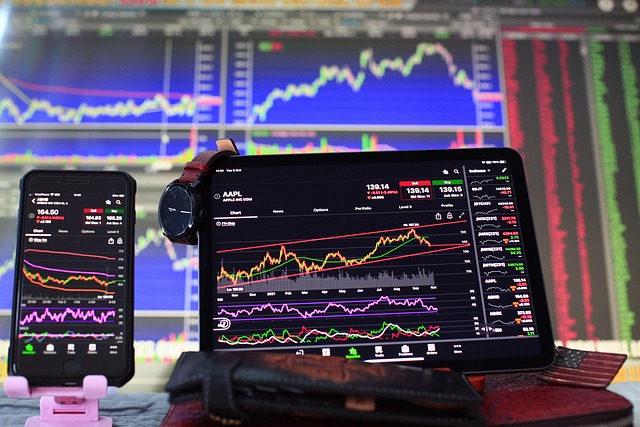
Nasdaq futures trading involves speculating on the future price movements of the Nasdaq 100 index, which comprises the 100 largest non-financial companies listed on the Nasdaq stock exchange. These futures contracts, primarily the NQ (E-mini Nasdaq-100), allow traders to gain exposure to the entire tech-heavy index without having to purchase individual stocks.
The beauty of futures trading lies in its leverage capabilities. With a single NQ contract representing $20 per point movement, traders can control significant value with relatively small capital requirements. However, this leverage cuts both ways – while profits can be substantial, losses can also accumulate quickly if proper risk management isn’t employed.
Market hours for Nasdaq futures extend beyond regular stock market sessions, with electronic trading available nearly 24 hours a day, Sunday through Friday. This extended trading window provides opportunities for traders in different time zones and allows for reaction to global news events that occur outside traditional market hours.
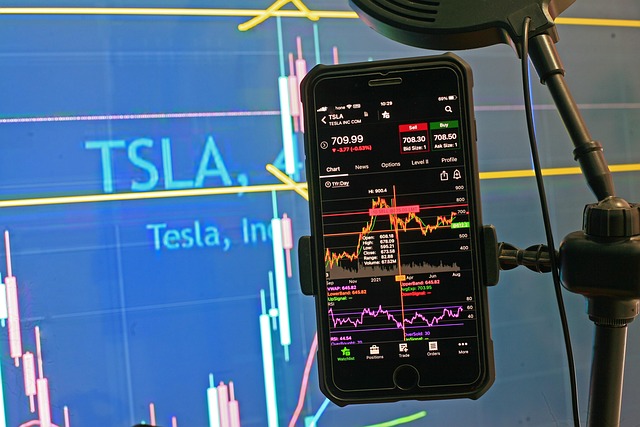
Understanding market structure is crucial for success. The Nasdaq futures market operates through electronic order books, where buyers and sellers interact through limit orders, market orders, and various algorithmic trading strategies. Volume and open interest patterns provide valuable insights into market sentiment and potential price direction.
Key Methods
Step 1: Technical Analysis Foundation
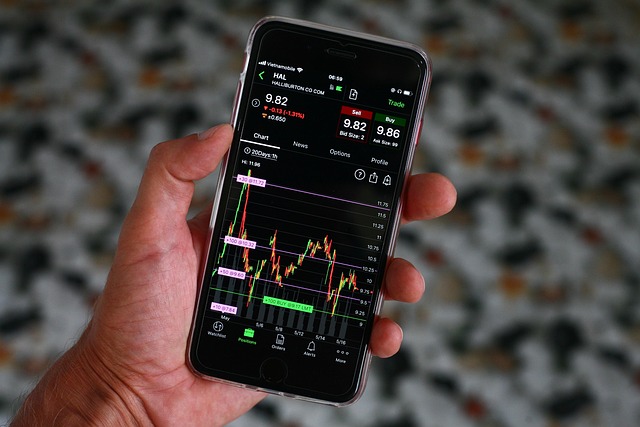
Successful Nasdaq futures day trading begins with a solid foundation in technical analysis. Chart patterns, support and resistance levels, and momentum indicators form the backbone of most profitable trading strategies. The 5-minute and 15-minute timeframes are particularly popular among day traders, providing enough detail to spot intraday opportunities while filtering out excessive market noise.
Moving averages, particularly the 20, 50, and 200-period exponential moving averages, serve as dynamic support and resistance levels. When price action respects these levels, they can provide excellent entry and exit points for trades. Additionally, the Relative Strength Index (RSI) and MACD indicators help identify overbought and oversold conditions, signaling potential reversal points.
Volume analysis cannot be overlooked. High volume during breakouts confirms the strength of the move, while low volume rallies or declines often lack sustainability. Professional traders always confirm their technical setups with volume analysis before committing capital to trades.
Step 2: Risk Management Protocol
Effective risk management separates profitable traders from those who blow up their accounts. The 1-2% rule is fundamental – never risk more than 1-2% of your total trading capital on any single trade. For a $50,000 account, this means limiting losses to $500-$1,000 per trade, regardless of how confident you feel about the setup.
Position sizing calculations should be automatic. Determine your stop-loss distance first, then calculate how many contracts you can trade while staying within your risk parameters. This disciplined approach prevents emotional decision-making during volatile market conditions.
Step 3: Market Session Strategy
The regular trading session (9:30 AM – 4:00 PM ET) provides maximum liquidity and tightest spreads. The first hour and last hour typically offer the most volatility and trading opportunities. Many professional traders focus exclusively on these periods when market makers and institutional traders are most active.
Fresh Cash Friday represents a particularly interesting phenomenon where monthly options expiration and institutional rebalancing can create unusual volatility patterns. Smart traders prepare for these days by reducing position sizes and staying alert for unexpected moves that can create both opportunities and risks.
Practical Tips
**Tip 1: Develop a Pre-Market Routine**
Establish a consistent pre-market analysis routine that includes reviewing overnight news, checking futures levels, and identifying key support and resistance zones. This preparation helps you enter the trading day with a clear plan rather than reacting emotionally to market movements. Successful traders often spend 30-60 minutes before market open analyzing charts, reading financial news, and setting up their trading platform with predetermined watchlists and alert levels.
**Tip 2: Use Multiple Timeframe Analysis**
Never rely on a single timeframe for trading decisions. Start with higher timeframes (daily, 4-hour) to understand the overall trend direction, then drill down to lower timeframes (15-minute, 5-minute) for precise entry and exit points. This approach helps ensure you’re trading with the trend rather than fighting against it, significantly improving your probability of success.
**Tip 3: Master the Art of Scaling**
Professional traders rarely enter or exit positions all at once. Instead, they scale into positions as setups develop and scale out as profits accumulate. This technique reduces risk while maximizing profit potential. For example, you might enter 25% of your intended position on the initial signal, add another 50% on confirmation, and save the final 25% for a strong breakout.
**Tip 4: Keep Detailed Trading Records**
Maintain comprehensive trading logs that include not just profit and loss figures, but also market conditions, emotional state, and lessons learned from each trade. This data becomes invaluable for identifying patterns in your trading performance and areas for improvement. Many successful traders review their logs weekly to refine their strategies.
**Tip 5: Practice Patience and Selectivity**
The best traders are often the most patient ones. Rather than forcing trades when conditions aren’t optimal, wait for high-probability setups that align with your strategy. Quality over quantity should be your mantra. Some of the most profitable trading days involve taking only one or two well-planned trades rather than constantly jumping in and out of positions.
Important Considerations
Day trading Nasdaq futures carries significant risks that must be thoroughly understood before committing capital. The leverage inherent in futures contracts means that small price movements can result in substantial gains or losses. A single bad trade, if not properly managed, can wipe out weeks or months of profits.
Market volatility can change rapidly, especially during news events or earnings announcements from major technology companies that comprise the Nasdaq 100. Economic data releases, Federal Reserve announcements, and geopolitical events can trigger sudden and dramatic price movements that catch even experienced traders off guard.
Slippage and transaction costs also impact profitability. During volatile periods, the difference between expected and actual fill prices can be substantial. Always factor these costs into your profit calculations and risk management plans.
Conclusion
The path to consistent profitability is not easy and typically requires months or years of dedicated practice. Most successful traders emphasize that education and proper preparation are far more important than trying to catch every market move. Start with paper trading or very small position sizes while you develop and test your strategies.
Remember that the market will always be there tomorrow. Preserving your capital and maintaining a long-term perspective are crucial for sustainable success. Focus on becoming a student of the markets rather than just trying to make quick profits, and you’ll be well on your way to joining the ranks of successful Nasdaq futures traders.
The key is to remain patient, disciplined, and always willing to learn from both your successes and failures. With proper preparation and realistic expectations, Nasdaq futures trading can become a rewarding endeavor both financially and intellectually.