

The Government SHUTDOWN is About To Make The Stock Market Go Crazy
The government shutdown is a critical economic event that sends ripples through financial markets, creating both uncertainty and opportunity for investors. When the federal government runs out of funding authorization and cannot pass a new budget or continuing resolution, it must cease all non-essential operations. This disruption affects everything from economic data releases to regulatory oversight, and the stock market’s reaction can be swift and dramatic. Understanding how government shutdowns impact financial markets is crucial for anyone with investments, retirement accounts, or economic interests. The relationship between political dysfunction and market volatility has become increasingly apparent in recent years, as shutdowns have become more frequent and longer in duration. Investors need to understand not just the immediate impact, but also the long-term implications of these political standoffs on their portfolios and the broader economy.
Understanding the Basics

Government shutdowns occur when Congress fails to pass appropriations bills or continuing resolutions to fund federal operations. The impact on the stock market is multifaceted and often unpredictable. Historically, markets have shown resilience during shutdown periods, but the uncertainty surrounding these events creates volatility that can present both risks and opportunities. During a shutdown, approximately 800,000 to 1 million federal employees may be furloughed or required to work without immediate pay, which directly impacts consumer spending and economic confidence.
The stock market typically responds to shutdowns with increased volatility rather than sustained downturns. Short-term traders often see increased activity as uncertainty drives price movements, while long-term investors may view shutdowns as temporary political theater with limited lasting economic impact. However, the length and severity of the shutdown matters significantly. A brief shutdown of a few days may barely register in market indices, while an extended shutdown lasting weeks can begin to show measurable economic impact through delayed government contracts, suspended regulatory approvals, and reduced consumer confidence.
The uncertainty factor cannot be understated. Markets hate uncertainty, and government shutdowns represent political dysfunction at its most visible. This uncertainty affects multiple sectors differently. Defense contractors worry about delayed payments and contract approvals. Technology companies may face delays in patent processing and regulatory reviews. Tourism-related businesses suffer from closed national parks and monuments. Financial institutions must navigate without key economic data releases from government agencies, making it harder to forecast and plan.

Key Methods
Step 1: Monitoring Pre-Shutdown Market Signals
The weeks leading up to a potential government shutdown often provide crucial signals for market behavior. Savvy investors watch congressional negotiations closely, paying attention to rhetoric from party leaders and the likelihood of compromise. As shutdown deadlines approach, volatility indices like the VIX typically begin to rise, reflecting increased market anxiety. Trading volumes may increase as institutional investors adjust positions to protect against potential disruption.

During this pre-shutdown phase, certain sectors begin to show predictable patterns. Government contractors often see their stock prices decline as the shutdown possibility increases, while defensive stocks in consumer staples and utilities may see increased interest from risk-averse investors. Bond markets typically show flight-to-quality behavior, with Treasury yields potentially declining as investors seek safe havens. Currency markets may also react, particularly if the shutdown threatens the United States’ credit rating or international reputation for fiscal management.
Smart investors use this period to review their portfolio exposure and risk tolerance. This isn’t about panic selling, but rather strategic positioning. Understanding which holdings are most vulnerable to shutdown impacts allows for informed decision-making about whether to hedge positions, take profits, or potentially buy quality assets at temporarily depressed prices.
Step 2: Navigating During the Shutdown Period
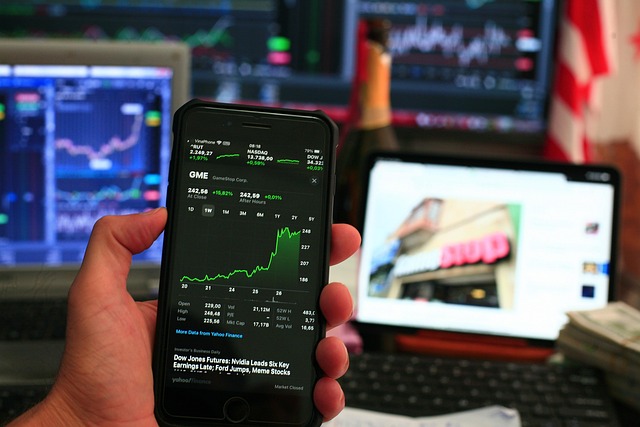
Once a shutdown begins, market behavior often stabilizes somewhat as the initial uncertainty crystallizes into actual reality. The first few days of a shutdown typically see the most volatility as traders react and adjust. However, as days turn into weeks, markets often begin to price in the shutdown as a known factor rather than an uncertain threat. This adaptation period requires careful monitoring of both market indicators and political developments that might signal resolution.
During active shutdowns, the absence of key economic data releases creates information gaps that markets must navigate. The Bureau of Labor Statistics, Census Bureau, and other agencies stop publishing reports that investors rely on for decision-making. This data blackout can actually reduce volatility in some cases, as there are fewer catalysts for major market moves. However, it also means investors are flying somewhat blind, relying more heavily on private sector data and international economic indicators.
Sector rotation becomes particularly important during shutdowns. Historically, healthcare, consumer staples, and utilities have shown relative strength during shutdown periods, while government-dependent sectors like defense, aerospace, and federal contractors face headwinds. Technology stocks often prove resilient, as their business models typically have minimal direct government exposure. Understanding these sector dynamics allows investors to potentially profit from relative strength and weakness rather than simply trying to time overall market direction.

Step 3: Positioning for Post-Shutdown Recovery
The resolution of a government shutdown typically triggers a relief rally as uncertainty dissipates and markets can refocus on fundamental economic factors. However, the nature and timing of this recovery depends heavily on how the shutdown ends. A clean resolution with multi-year budget certainty creates more positive market sentiment than a short-term continuing resolution that simply delays the next crisis. Investors who position themselves for this recovery phase can potentially capture significant gains.
Historically, stocks that were most punished during the shutdown period often see the strongest bounces when resolution comes. Government contractors, small-cap stocks, and cyclical sectors may outperform in the immediate aftermath. However, this isn’t a guarantee, and investors must evaluate whether the fundamental business impacts of the shutdown created lasting damage or merely temporary disruption. Companies that missed major contract deadlines or lost significant revenue may not recover as quickly as those that simply saw investor fear drive down their stock prices.
The post-shutdown period also requires attention to economic data that was delayed during the shutdown. When government agencies resume operations, they often release a backlog of reports simultaneously, creating potential for significant market-moving information in compressed timeframes. Investors should be prepared for heightened volatility as the market digests weeks of economic data in just days, potentially leading to sharp moves as the true state of the economy during the shutdown period becomes clear.
Practical Tips
**Tip 1: Diversification Remains Your Best Defense** – During government shutdowns, a well-diversified portfolio proves its value more than ever. Rather than trying to predict specific outcomes, ensure your holdings span multiple sectors, asset classes, and geographic regions. International exposure can be particularly valuable during U.S.-specific political crises, as foreign markets may be less affected by American political dysfunction. Include both growth and value stocks, large and small caps, and consider alternative investments like commodities or real estate that may move independently of political events. Diversification won’t eliminate volatility, but it significantly reduces the risk that shutdown impacts will devastate your overall portfolio value. Regular rebalancing during volatile periods helps maintain your target allocation and can force you to sell high and buy low as different assets move in response to shutdown developments.
**Tip 2: Use Volatility as an Opportunity, Not a Threat** – Increased volatility during shutdown periods creates opportunities for disciplined investors with cash reserves and a clear strategy. Consider using dollar-cost averaging to build positions in quality companies whose stock prices have been temporarily depressed by shutdown fears rather than fundamental business deterioration. Selling options strategies like cash-secured puts can generate income while potentially acquiring stocks at favorable prices. For more active traders, the increased daily price swings create opportunities for swing trading strategies. However, this approach requires emotional discipline and clear rules about position sizing and stop losses. Volatility cuts both ways, and what seems like an opportunity can quickly become a loss if you’re caught on the wrong side without proper risk management.
**Tip 3: Focus on Companies with Strong Balance Sheets** – During shutdowns, companies with minimal debt, substantial cash reserves, and diverse revenue streams prove most resilient. These financial fortresses can weather delayed government payments, reduced consumer spending from furloughed workers, and general economic uncertainty without threatening their dividend payments or long-term growth plans. Review your holdings and consider whether companies dependent on government contracts have sufficient financial cushion to survive extended payment delays. Strong balance sheets also provide companies with the flexibility to invest during shutdown periods when competitors may be cutting back, potentially emerging stronger when normalcy returns. Use shutdown periods to upgrade your portfolio quality, potentially selling highly leveraged companies to invest in financial strength.
**Tip 4: Don’t Ignore the Fixed Income Market** – While stock market volatility captures headlines, the bond market often provides earlier and more reliable signals about shutdown impacts and resolution likelihood. Watch the yield curve closely during shutdown periods, as any inversion or steepening can signal changing economic expectations. Corporate bond spreads may widen during shutdowns as credit concerns increase, potentially creating opportunities in high-quality corporate debt. Municipal bonds can be particularly interesting during shutdowns, as state and local governments may face federal funding uncertainty, creating temporary pricing inefficiencies. Treasury Inflation-Protected Securities (TIPS) may also warrant attention if shutdown-related economic disruption raises inflation concerns. A balanced approach to shutdown investing includes fixed income strategies, not just equity positioning.
Important Considerations
Government shutdowns carry risks beyond simple market volatility that every investor must understand. The potential for credit rating downgrades presents a systemic risk that could trigger massive market dislocations beyond normal shutdown patterns. If a shutdown threatens the federal government’s ability to service debt or extends long enough to meaningfully impact GDP growth, rating agencies may downgrade U.S. government debt, which could trigger institutional selling requirements and fundamentally reset risk-free rate assumptions across all markets. This tail risk, while unlikely during short shutdowns, becomes increasingly probable during extended political standoffs.
Another critical consideration is the psychological and economic impact on federal workers and government contractors. Extended shutdowns create real financial hardship for hundreds of thousands of workers who may miss multiple paychecks, affecting their ability to pay mortgages, make car payments, and maintain normal spending patterns. This consumption shock ripples through the economy, particularly in areas with heavy federal employment like Washington D.C., Virginia, and Maryland. Investors should consider this regional economic impact when evaluating holdings in retail, real estate, and local banks serving these areas.
The shutdown’s impact on economic data availability also creates dangerous blind spots. Without timely employment reports, GDP updates, and consumer spending data, the Federal Reserve and investors must make policy and investment decisions with incomplete information. This could lead to policy mistakes or market mispricings that only become apparent when data releases resume and reveal economic deterioration that occurred during the shutdown period.
Conclusion
Government shutdowns represent a unique intersection of political dysfunction and market dynamics that creates both challenges and opportunities for informed investors. While the immediate reaction to shutdown news typically involves increased volatility and uncertainty, historical patterns suggest that patient, disciplined investors can navigate these periods successfully and potentially profit from temporary mispricings. The key is maintaining perspective—shutdowns are political events with economic impacts, but they are not economic catastrophes unless they extend for many weeks or threaten core government functions like debt service.
Successful shutdown investing requires preparation, discipline, and a clear-eyed assessment of both risks and opportunities. Understanding which sectors face genuine business disruption versus those simply experiencing fear-driven selling allows for strategic positioning. Maintaining adequate diversification and focusing on quality companies with strong balance sheets provides downside protection while keeping you positioned for recovery. Most importantly, avoiding emotional decision-making and maintaining a long-term investment perspective prevents the kind of panic-driven mistakes that turn temporary volatility into permanent losses.
As government shutdowns appear to be becoming more frequent in our politically polarized era, developing a thoughtful framework for navigating these events becomes increasingly important for every investor. Use each shutdown as a learning opportunity, observe how different assets and sectors react, and refine your strategy for future occurrences. The stock market will continue to go crazy during shutdowns, but crazy markets create opportunity for those prepared to act rationally while others panic. Stay informed, stay disciplined, and remember that this too shall pass—as every previous shutdown eventually has.