
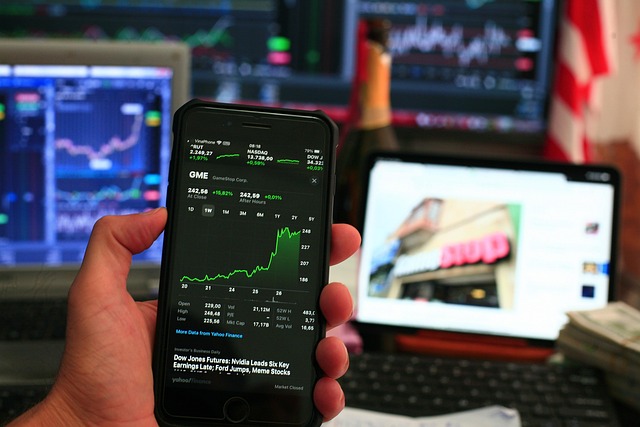
GME Stock Analysis: $540K YOLO Trade Signals Market Trends
GME (GameStop Corp.) has become one of the most talked-about stocks in recent market history, captivating retail investors and institutional traders alike. The phenomenon surrounding GME stock represents a fundamental shift in how retail investors can impact market dynamics through coordinated buying and social media-driven investment strategies. Understanding GME’s unique position in the market requires examining the convergence of traditional fundamental analysis, technical trading patterns, and the unprecedented influence of online communities. The recent $540K YOLO trade exemplifies the high-stakes nature of GME investing and serves as a critical case study for understanding modern market behavior and risk management principles.
Understanding the Basics
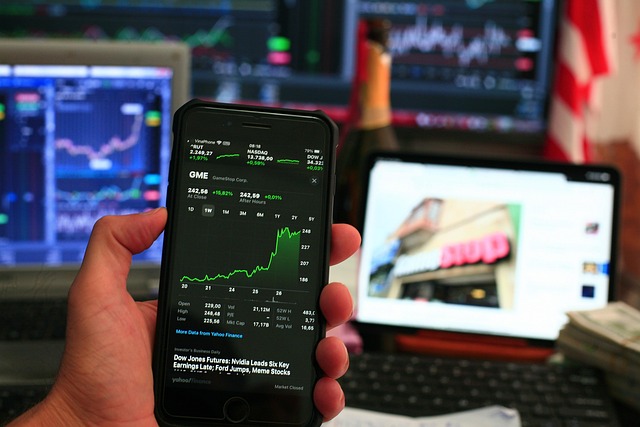
GameStop’s transformation from a struggling brick-and-mortar video game retailer to a social media-driven stock phenomenon began in late 2020 and exploded in January 2021. The company faced declining revenues as digital game downloads replaced physical media, leading hedge funds to take massive short positions betting on the stock’s decline. However, retail investors on platforms like Reddit’s WallStreetBets identified the over-shorted position and began aggressively buying shares and call options, triggering what became known as the “short squeeze of the century.”
The mechanics behind GME’s volatility involve several interconnected factors. Short interest, which measures the percentage of shares sold short relative to available shares, reached unprecedented levels exceeding 140% of the float. This situation created a mathematical inevitability: if enough buying pressure materialized, short sellers would be forced to buy shares to cover their positions, driving prices even higher in a feedback loop. This gamma squeeze effect, amplified by options market makers hedging their call option exposures, created explosive upward price movements that defied traditional valuation metrics.
Key Methods

Step 1: Analyzing Social Sentiment and Community Dynamics
Successful GME trading requires constant monitoring of retail investor sentiment across multiple platforms. Reddit’s WallStreetBets, Superstonk, and GME-specific communities provide real-time insights into retail buying pressure, option activity, and coordinated trading strategies. Tools like sentiment analysis algorithms, Google Trends tracking, and social media monitoring platforms help quantify the enthusiasm and commitment levels of the retail investor base. Watch for key indicators such as increasing subscriber counts, rising post engagement, and coordinated call option purchasing that historically preceded significant price movements.
The concept of “diamond hands” versus “paper hands” reflects commitment levels within the community. Strong conviction holders who refuse to sell regardless of price volatility provide a stable base of ownership that reduces available float and amplifies squeeze potential. Tracking insider buying, institutional position changes through 13F filings, and direct registration system (DRS) numbers reported by GameStop provides quantitative measures of ownership concentration. Understanding the retail investor mindset requires recognizing that many GME holders view their position as part movement, part investment, rejecting traditional profit-taking strategies in favor of indefinite holding or targeting astronomical price levels.

Step 2: Technical Analysis and Options Activity
GME’s price action demands sophisticated technical analysis incorporating volume analysis, support/resistance levels, and options market data. Key technical levels develop through repeated testing, with psychological price points like $20, $30, and $50 serving as magnets for both buying and selling pressure. Volume spikes often precede significant moves, while declining volume during consolidation phases indicates temporary equilibrium before the next directional move. Moving averages, particularly the 50-day and 200-day periods, provide trend context, though GME frequently defies conventional technical signals during squeeze events.
Options activity provides crucial insights into potential price catalysts. High call option open interest at specific strike prices creates gamma exposure for market makers who must hedge by purchasing shares as prices approach those strikes. This hedging amplifies upward momentum during rallies. Monitoring the options chain for unusual activity, such as large block purchases of near-dated call options or changes in implied volatility, helps anticipate potential explosive moves. The put/call ratio and max pain theory—suggesting prices gravitate toward levels causing maximum options losses—offer additional analytical frameworks, though their predictive value varies significantly during high-volatility periods.

Step 3: Fundamental Business Assessment
Beyond trading dynamics, evaluating GameStop’s actual business transformation provides essential context for long-term position sizing. Ryan Cohen’s strategy focuses on digital transformation, expanding product categories beyond gaming into electronics and collectibles, improving e-commerce capabilities, and potentially entering blockchain/NFT markets. Quarterly earnings reports, revenue growth rates, and progress toward profitability signal whether the company can justify higher valuations through operational performance rather than purely speculative demand.
Practical Tips

**Tip 1: Position Sizing Based on Risk Tolerance** – Never allocate capital to GME that you cannot afford to lose completely. The stock’s extreme volatility means positions can swing 30-50% in single trading sessions. Conservative investors should limit GME exposure to 2-5% of portfolio value, while aggressive speculators might allocate 10-20% maximum. Consider scaling into positions during pullbacks rather than committing full capital at once, and establish predetermined exit points for both profit-taking and loss-cutting before emotions override rational decision-making during volatile periods.
**Tip 2: Use Stop-Loss Orders Strategically** – While many GME holders advocate never selling, implementing stop-loss orders below key support levels protects capital during unexpected crashes. Set stops at technical levels like 20% below entry points or beneath major support zones. Consider using trailing stops that rise with price advances, locking in profits while allowing positions to capture additional upside. However, be aware that GME frequently experiences rapid dips that trigger stops before reversing higher, so balance protection against premature exits by using wider stops or mental rather than automatic stop orders.
**Tip 3: Understand Options Risks and Opportunities** – Options provide leveraged GME exposure but carry significantly higher risk than stock ownership. Call options lose time value daily and can expire worthless despite favorable long-term thesis. If trading options, use only small percentages of capital, focus on longer-dated expirations to reduce time decay, and consider vertical spreads to reduce cost and risk. Selling covered calls against stock positions generates income during consolidation phases but caps upside if explosive moves occur. Never sell naked calls or puts due to theoretically unlimited loss potential in GME’s volatile environment.
**Tip 4: Monitor Short Interest and DRS Data** – Short interest levels provide crucial indicators of squeeze potential. Services like ORTEX and S3 Partners publish estimated short interest data, though accuracy varies and reporting delays exist. Declining short interest might indicate reduced squeeze potential, while rising levels suggest renewed betting against the stock. Additionally, track GameStop’s quarterly reports of shares directly registered through ComputerShare, as increasing DRS numbers indicate retail commitment and reduced available float. These metrics help assess whether fundamental squeeze conditions remain viable or whether the thesis has weakened.
Important Considerations
Trading GME involves substantial risks that extend beyond typical stock market volatility. Regulatory intervention remains a persistent concern after brokerages restricted buying during the January 2021 squeeze, raising questions about whether similar actions might occur during future rallies. This regulatory risk, combined with potential changes to short-selling rules or options trading restrictions, creates uncertainty impossible to quantify through traditional analysis. Additionally, institutional investors have developed sophisticated strategies to manage short positions and hedge exposure, potentially limiting future squeeze severity compared to the original event.
The opportunity cost of capital committed to GME deserves careful consideration. While explosive returns are possible during rallies, the stock frequently trades sideways for extended periods or experiences significant drawdowns. Capital allocated to GME cannot simultaneously compound in diversified index funds or other investments with more predictable return profiles. This opportunity cost becomes particularly relevant for conservative investors with limited capital and long-term wealth-building goals.
Tax implications of frequent GME trading can significantly impact net returns. Short-term capital gains on positions held less than one year face ordinary income tax rates reaching 37% federally, plus state taxes. Frequent trading generates higher tax burdens compared to long-term holding strategies. Additionally, wash sale rules prevent claiming losses if repurchasing within 30 days, complicating tax-loss harvesting strategies. Understanding these tax consequences and potentially consulting tax professionals helps optimize after-tax returns.
Conclusion
The $540K YOLO trade represents the high-stakes nature of GME investing, where conviction in social sentiment and technical catalysts drives substantial capital allocation despite significant risks. Successfully navigating GME requires synthesizing fundamental business analysis, technical trading principles, social sentiment monitoring, and rigorous risk management. The stock’s unique characteristics—combining legitimate transformation potential with meme stock dynamics—create opportunities for substantial gains alongside risks of dramatic losses.
Whether approaching GME as a short-term trade capitalizing on volatility or a long-term investment in Ryan Cohen’s turnaround vision, maintaining disciplined position sizing and emotional control proves essential. The retail investor movement surrounding GME has demonstrated that coordinated social media-driven buying can challenge institutional dominance and create unprecedented market dynamics. However, this same dynamic generates volatility that rewards careful planning and punishes emotional decision-making.
For those choosing to participate in GME, start small, learn continuously, and never risk more than you can afford to lose completely. The stock will likely remain volatile and sentiment-driven for the foreseeable future, creating both opportunities and dangers. By combining thorough research, technical analysis, community sentiment monitoring, and strict risk management, investors can approach GME with appropriate preparation. Whether the next major catalyst emerges from business developments, technical squeeze conditions, or renewed social media enthusiasm, prepared investors who maintain discipline and manage risk appropriately position themselves to potentially benefit while protecting capital from catastrophic losses.