

Rare Earth Minerals: 17 Elements More Valuable Than Gold
Rare earth elements represent one of the most fascinating and economically significant groups of materials in modern technology. Despite their name, these 17 elements aren’t actually rare in terms of abundance in Earth’s crust—they’re called “rare” because they’re rarely found in concentrated, economically viable deposits. These elements include the 15 lanthanides, plus scandium and yttrium, and they’ve become absolutely critical to our modern way of life, powering everything from smartphones to electric vehicles, wind turbines to military defense systems.
Understanding the Basics

Rare earth elements (REEs) are a collection of 17 chemically similar metallic elements that share unique magnetic, luminescent, and electrochemical properties that make them irreplaceable in modern technology. The lanthanide series includes lanthanum, cerium, praseodymium, neodymium, promethium, samarium, europium, gadolinium, terbium, dysprosium, holmium, erbium, thulium, ytterbium, and lutetium, while scandium and yttrium complete the group due to their similar chemical properties.
What makes these elements so valuable isn’t their scarcity in absolute terms—cerium is actually more abundant than copper in Earth’s crust—but rather the extreme difficulty in extracting and refining them. Rare earth elements tend to occur together in mineral deposits, and their chemical similarities make separating them from one another an incredibly complex and expensive process. This extraction requires sophisticated chemical processing involving multiple stages of separation, often using hazardous acids and generating significant amounts of toxic and radioactive waste.
The global rare earth supply chain is highly concentrated, with China dominating approximately 70-80% of worldwide production and controlling an even larger percentage of processing capacity. This concentration has raised significant concerns about supply security, particularly for Western nations that depend heavily on these materials for defense applications, renewable energy technologies, and consumer electronics. The strategic importance of rare earth elements has led many countries to invest in developing alternative sources and recycling technologies.
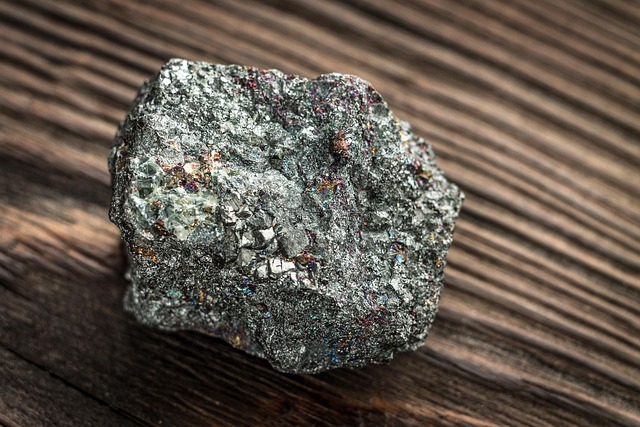
Understanding rare earth elements requires recognizing that each element has specific properties that make it uniquely suited to particular applications. For instance, neodymium produces the strongest permanent magnets known, making it essential for electric motors and generators, while europium creates the red color in LED displays and television screens. This specificity means that substituting one rare earth element for another is often impossible without significant performance degradation.
Key Methods
Step 1: Geological Exploration and Deposit Identification

The first critical step in rare earth production involves identifying viable deposits through advanced geological surveying techniques. Modern exploration combines satellite imaging, geochemical analysis, and geological mapping to locate areas with promising rare earth concentrations. Geologists look for specific rock formations, particularly carbonatites, alkaline igneous rocks, and ion-adsorption clays that tend to concentrate rare earth elements.
Once a potential site is identified, extensive core drilling and sampling programs are conducted to determine the concentration and distribution of rare earth elements. This process can take several years and cost millions of dollars before a company can determine whether a deposit is economically viable. The ore grade—the percentage of rare earth oxides in the rock—needs to be sufficiently high to justify the enormous capital investment required for extraction and processing facilities.
Environmental and social impact assessments are also conducted during this phase, as rare earth mining can significantly affect local ecosystems and communities. Understanding the hydrogeology of the site, potential for acid mine drainage, and the presence of radioactive elements like thorium and uranium that often occur alongside rare earths is crucial for developing responsible extraction plans.

Step 2: Extraction and Mineral Processing
Once a viable deposit is confirmed, the extraction process begins with traditional mining methods—either open-pit or underground mining depending on the deposit’s depth and configuration. The ore is crushed and ground into fine particles, then subjected to various concentration techniques such as froth flotation, magnetic separation, or gravity separation to increase the percentage of rare earth minerals relative to waste rock.
The concentrated ore then undergoes beneficiation, where physical and chemical processes further separate rare earth minerals from unwanted materials. This stage often involves roasting the ore at high temperatures, followed by acid or alkaline leaching to dissolve the rare earth elements into solution. The choice between acid and alkaline processing depends on the mineralogy of the ore and environmental considerations.
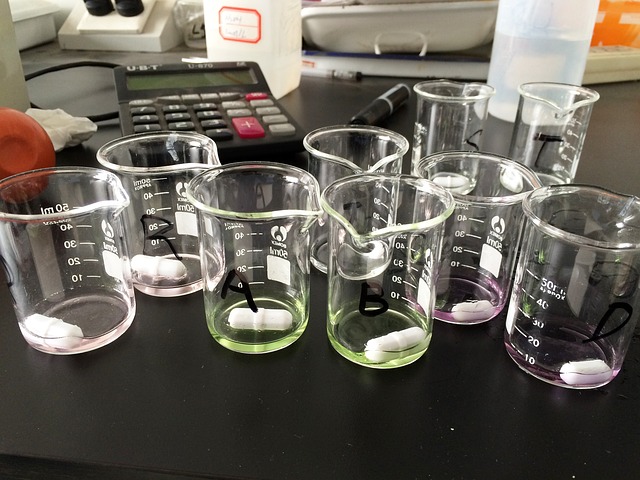
This extraction phase generates enormous amounts of waste material, including tailings that may contain radioactive elements and processing chemicals. Modern operations must implement sophisticated waste management systems to prevent environmental contamination, including lined tailings ponds, water treatment facilities, and long-term monitoring programs.
Step 3: Separation and Refinement
The most technically challenging and expensive stage of rare earth production involves separating the individual elements from one another. Because rare earth elements have remarkably similar chemical properties, separating them requires sophisticated techniques such as solvent extraction, where the mixed rare earth solution is repeatedly treated with organic solvents that preferentially extract specific elements.
This separation process can involve hundreds or even thousands of individual extraction stages, with the rare earth solution being passed through long chains of mixing and settling tanks. Each stage achieves only a small degree of separation, but the cumulative effect eventually produces high-purity individual rare earth compounds. The process is incredibly sensitive to operating conditions, requiring precise control of temperature, pH, and reagent concentrations.
After separation, the individual rare earth solutions undergo further purification and are converted into oxides, metals, or alloys depending on their end use. Producing rare earth metals often involves electrowinning or metallothermic reduction at high temperatures in controlled atmospheres. The final products must meet stringent purity requirements—often 99.9% or higher—for use in advanced technological applications.
Practical Tips
**Tip 1: Investment Diversification Through Rare Earth Exposure**
Investors looking to gain exposure to rare earth markets should consider a diversified approach rather than betting on single companies or elements. The rare earth sector is highly volatile, influenced by geopolitical tensions, technological changes, and supply-demand imbalances. Consider investing in rare earth-focused ETFs that provide exposure to multiple mining companies, or in technology companies that are developing rare earth recycling technologies. Additionally, keep informed about government policies regarding strategic mineral reserves and trade restrictions, as these can dramatically impact market prices. Remember that rare earth mining companies often face long development timelines and high capital requirements before generating revenue, so patience and risk tolerance are essential.
**Tip 2: Understanding Supply Chain Vulnerabilities**
For businesses that rely on rare earth elements in their products, developing a comprehensive understanding of your supply chain vulnerabilities is crucial. Map out where your rare earth materials originate, identify single points of failure, and develop relationships with multiple suppliers when possible. Consider stockpiling critical rare earth materials when prices are favorable, and invest in research into material substitution or reduced rare earth content in your products. Some companies are achieving success by partnering directly with mining operations or participating in joint ventures to secure long-term supply agreements. Additionally, explore opportunities to recover and recycle rare earth elements from end-of-life products, as this can provide a more stable and environmentally friendly source of materials.
**Tip 3: Staying Informed About Technological Developments**
The rare earth landscape is constantly evolving as researchers develop new applications, substitutes, and extraction methods. Subscribe to industry publications, attend conferences, and follow research institutions working on rare earth technologies. Breakthroughs in areas like rare earth-free permanent magnets, more efficient extraction techniques, or urban mining could dramatically reshape the industry. Pay particular attention to developments in specific elements that are experiencing supply constraints, such as dysprosium and terbium, as these often present both challenges and opportunities. Understanding the technology roadmaps of major industries like automotive, renewable energy, and consumer electronics can help anticipate future demand trends.
**Tip 4: Environmental and Social Governance Considerations**
As environmental, social, and governance (ESG) factors become increasingly important to investors and consumers, understanding the environmental and social impacts of rare earth production is essential. Support companies that demonstrate responsible mining practices, transparent reporting, and genuine commitment to minimizing environmental damage. Look for operations that have implemented advanced water treatment systems, proper tailings management, and community engagement programs. Some companies are developing innovative processing techniques that reduce chemical use and waste generation. Being on the right side of ESG issues isn’t just ethically important—it’s becoming a competitive advantage as consumers and investors increasingly favor sustainable products and companies.
**Tip 5: Exploring Circular Economy Opportunities**
Important Considerations
When engaging with rare earth elements—whether as an investor, industry professional, or interested citizen—several critical considerations deserve careful attention. First and foremost, understand that the rare earth industry carries significant environmental risks that require responsible management. The extraction and processing of rare earth elements can generate radioactive waste, contaminate water supplies with toxic chemicals, and create long-lasting environmental damage if not properly controlled. Historical examples like the Bayan Obo mine in China or the Mountain Pass facility in California demonstrate both the economic potential and environmental challenges of rare earth production.
Geopolitical factors play an outsized role in rare earth markets compared to most other commodities. China’s dominant position in the supply chain gives it significant leverage in international relations, and rare earth exports have been restricted during diplomatic disputes. Countries like the United States, Australia, Canada, and members of the European Union are actively working to develop alternative supply chains, but this process takes many years and requires substantial investment. Anyone involved in rare earth-dependent industries should maintain awareness of international relations and trade policies.
The economics of rare earth production are complex and often counterintuitive. Unlike precious metals where all products have high value, rare earth deposits contain varying proportions of elements, some highly valuable and others less so. A deposit rich in the most valuable elements like dysprosium or terbium might be economically viable, while one dominated by less valuable elements like cerium might not be profitable despite higher overall rare earth content. Understanding the distribution of individual elements in a deposit is crucial for evaluating its economic potential.
Finally, recognize that technological change can rapidly alter the rare earth landscape. Breakthroughs in material science could either increase or decrease demand for specific elements, while new extraction or recycling technologies could reshape supply dynamics. Maintaining flexibility and staying informed about technological developments is essential for navigating this dynamic industry.
Conclusion
Rare earth elements represent a fascinating intersection of geology, chemistry, technology, and geopolitics that plays a crucial role in our modern world. These 17 elements have gone from relative obscurity to strategic importance as our society has become increasingly dependent on advanced technologies that rely on their unique properties. From the permanent magnets in electric vehicle motors to the phosphors in LED lights, from the catalysts in petroleum refining to the components in military guidance systems, rare earth elements are woven into the fabric of contemporary life.
Understanding rare earth elements requires appreciating both their technical properties and the complex systems required to extract, process, and utilize them. The journey from ore in the ground to purified element ready for use is long, technically challenging, and capital-intensive, which explains why so few countries have developed comprehensive rare earth industries. However, the strategic importance of these materials is driving renewed investment in exploration, processing capacity, and recycling technologies around the world.
As we look toward the future, rare earth elements will likely become even more critical as the world transitions toward renewable energy, electric transportation, and advanced electronics. At the same time, the environmental and geopolitical challenges associated with rare earth production are driving innovation in substitution, efficiency improvements, and circular economy approaches. Whether you’re an investor, industry professional, student, or simply someone interested in understanding the materials that power our modern world, rare earth elements offer a compelling subject that touches on science, economics, environment, and international relations. By understanding these remarkable materials and the systems that produce them, we can better navigate the challenges and opportunities of our technology-dependent future while working toward more sustainable and secure supply chains.