

Soybean Farming Guide: How Soybeans Are Grown & Processed
Soybean is an important subject that many people are interested in learning about. As one of the world’s most versatile and valuable crops, soybeans play a crucial role in global food security, animal feed production, and industrial applications. From tofu and soy milk to biodiesel and industrial lubricants, soybeans touch nearly every aspect of modern life. Understanding how these remarkable legumes are cultivated and processed provides insight into agricultural practices that feed billions of people worldwide.
Understanding the Basics
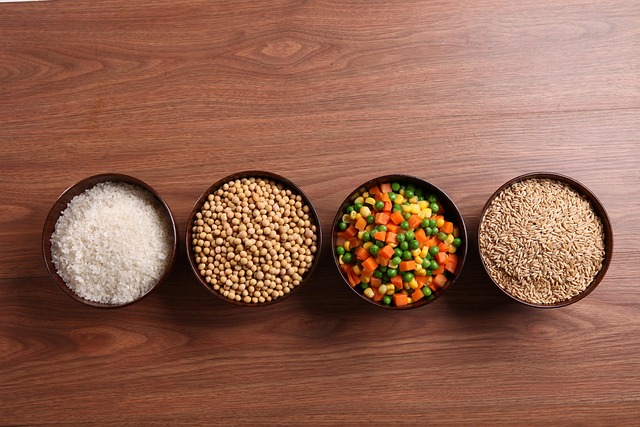
Soybeans (Glycine max) are annual legumes native to East Asia that have become one of the most important crops globally. These protein-rich beans contain approximately 40% protein and 20% oil, making them exceptionally valuable for both human consumption and animal feed. The soybean plant grows to a height of 1-5 feet depending on the variety and growing conditions, producing pods that contain 2-4 beans each.
The cultivation of soybeans requires specific environmental conditions to thrive. They grow best in well-drained, fertile soils with a pH between 6.0 and 7.0. Soybeans are warm-season crops that require temperatures between 68-86°F for optimal growth. The plants need adequate moisture, particularly during flowering and pod development stages, with approximately 20-25 inches of water throughout the growing season.
What makes soybeans particularly valuable to farmers is their nitrogen-fixing ability. Through a symbiotic relationship with Rhizobium bacteria in root nodules, soybean plants can convert atmospheric nitrogen into a form usable by plants. This reduces the need for synthetic nitrogen fertilizers and enriches the soil for subsequent crops, making soybeans an excellent rotation crop with corn and other cereals.
Key Methods
Step 1: Land Preparation and Planting
The journey of soybean farming begins with proper land preparation, which typically starts in the fall or early spring before planting. Farmers conduct soil tests to determine nutrient levels and pH, making necessary amendments to create optimal growing conditions. Fields are cleared of crop residue from previous seasons, and the soil is prepared through tillage or no-till methods depending on the farming philosophy and soil conditions.
Before planting, seeds are often treated with fungicides and inoculants containing Rhizobium bacteria to ensure proper nodulation and nitrogen fixation. Modern planters equipped with GPS guidance systems ensure uniform plant populations and minimize overlaps or gaps in planting, maximizing yield potential.
Step 2: Crop Management and Growth Monitoring
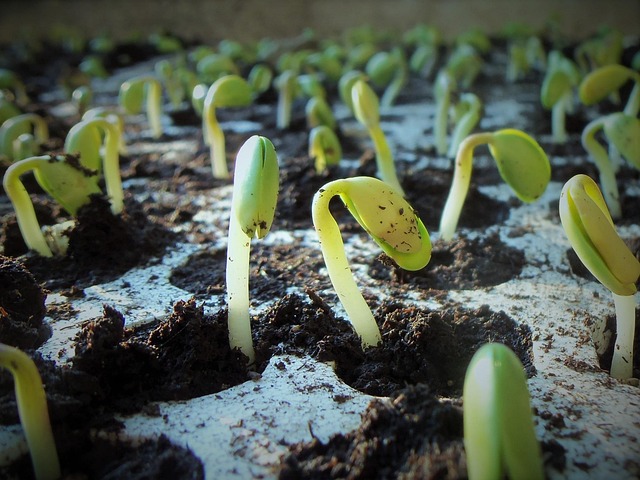
Once soybeans emerge from the soil, typically 5-10 days after planting, active crop management begins. Farmers scout fields regularly to monitor plant health, identify pest pressures, and assess weed competition. The vegetative growth stage, marked by the development of trifoliate leaves, requires careful attention to ensure plants establish strong root systems and canopy coverage.

Weed control is essential during the first 4-6 weeks after emergence when soybeans are most vulnerable to competition. Many farmers utilize herbicide-tolerant soybean varieties that allow post-emergence applications of broad-spectrum herbicides. Integrated pest management strategies help control insects like soybean aphids, Japanese beetles, and bean leaf beetles that can significantly impact yields if left unchecked.
Water management becomes increasingly important as plants enter reproductive stages. The flowering period (R1-R2 stages) and pod fill stages (R3-R6) are most critical for determining final yield. During these periods, moisture stress can cause flower or pod abortion, dramatically reducing harvest potential. Farmers with irrigation systems closely monitor soil moisture levels and supplement rainfall when necessary.
Step 3: Harvesting and Post-Harvest Handling
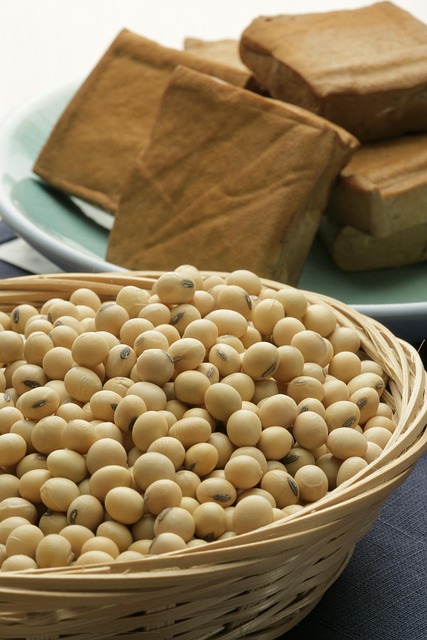
Harvest timing significantly impacts both yield and quality. Soybeans are ready for harvest when leaves have dropped, pods have turned brown, and seed moisture content reaches 13-15%. Harvesting too early results in excessive moisture requiring expensive drying, while delayed harvest risks shattering losses, weather damage, and quality deterioration.
Modern combine harvesters equipped with specialized soybean headers efficiently gather and thresh the crop. Operators adjust combine settings including cylinder speed, concave clearance, and fan speed to minimize seed damage while achieving clean separation of beans from pods and plant material. Ground speed and header height require constant adjustment to match field conditions and plant characteristics.
After harvest, soybeans must be properly stored to maintain quality. Beans are typically dried to 13% moisture or less to prevent mold growth and deterioration during storage. Proper aeration systems maintain uniform temperature throughout storage bins, preventing moisture migration and hot spots that could compromise quality. Regular monitoring ensures beans remain in marketable condition until sale or processing.
Practical Tips
**Tip 1: Optimize Planting Dates for Your Region**
Understanding your local climate and frost patterns is crucial for soybean success. Monitor soil temperatures with a soil thermometer at 2-inch depth in the morning, and plant when temperatures consistently reach 55°F or higher. While early planting can extend the growing season and potentially increase yields, planting into cold, wet soil increases disease risk and poor emergence. Conversely, excessively delayed planting reduces yield potential as plants have less time to develop before shorter fall days trigger maturity. Consult your local extension service for maturity group recommendations and optimal planting windows in your specific area.
**Tip 2: Implement Effective Weed Management Strategies**
**Tip 3: Monitor and Manage Pest Pressures**
Successful soybean production requires vigilant pest monitoring and timely intervention. Scout fields at least weekly during the growing season, examining plants at multiple locations for signs of insect feeding, disease symptoms, or nutritional deficiencies. Use economic thresholds to guide treatment decisions rather than applying pesticides on a calendar schedule. For example, treat for soybean aphids when populations exceed 250 aphids per plant with increasing populations. Preserve beneficial insects by using selective insecticides when possible and avoiding broad-spectrum treatments unless absolutely necessary.
**Tip 4: Ensure Proper Combine Settings**
Harvest losses and seed damage can easily exceed 5-10% with improper combine adjustment. Before beginning harvest, calibrate your combine specifically for soybeans by adjusting cylinder speed to 300-600 RPM (much slower than for corn or wheat), setting concave clearance wider to prevent seed splitting, and adjusting fan speed to remove chaff without blowing beans over the sieves. Conduct regular loss checks by counting beans left on the ground behind the combine – more than 2-4 beans per square foot indicates adjustments are needed. Check grain tank samples frequently for splits and cracks, which reduce marketability and storage quality.
**Tip 5: Plan Crop Rotation for Long-Term Success**
While soybeans can be grown continuously, rotating with other crops significantly improves yields, reduces pest pressures, and enhances soil health. Corn-soybean rotation is most common in many regions, providing complementary benefits as corn benefits from residual nitrogen fixed by soybeans. Rotation breaks pest cycles for insects, diseases, and weeds that are crop-specific. Consider including small grains or cover crops in rotation to further diversify and improve soil structure, organic matter, and nutrient cycling. Proper rotation planning considers market opportunities, equipment requirements, and management capabilities for each crop in the rotation.
Important Considerations
Environmental stewardship is increasingly important in modern agriculture. Implement conservation practices such as contour farming, buffer strips, and cover crops to prevent soil erosion and protect water quality. Be mindful of herbicide and pesticide applications, following label directions precisely and observing buffer zones near sensitive areas. Proper nutrient management prevents excess nitrogen and phosphorus from reaching waterways.
Market considerations significantly impact profitability. Understand basis levels, futures markets, and marketing strategies to optimize selling decisions. Consider forward contracting portions of expected production to lock in profitable prices, while maintaining flexibility to capture market rallies. Quality factors including protein content, oil content, and test weight affect market premiums or discounts.
Conclusion
Soybean farming represents a rewarding agricultural endeavor that combines traditional farming practices with modern technology and precision agriculture. Success requires careful attention to variety selection, planting timing, crop management, and harvest operations. By understanding the biological requirements of the soybean plant and implementing proven production practices, farmers can achieve consistent yields while maintaining soil health and environmental sustainability.
The global importance of soybeans continues to grow as population increases and demand for protein-rich foods and sustainable industrial products expands. Whether you’re a beginning farmer exploring crop options or an experienced producer optimizing your operation, soybeans offer excellent opportunities within a diversified farming system. Take time to learn from experienced growers, consult with agronomists and extension specialists, and stay current with research developments in variety breeding, pest management, and production techniques. With dedication, proper planning, and attention to detail, soybean farming can provide both economic returns and the satisfaction of producing a crop that feeds the world.