

Dow Futures: Pre-Market Trading Guide for 2025
Dow Jones futures represent one of the most closely watched financial indicators in global markets. Understanding how these futures work and what they predict about market movements can give traders and investors a significant edge in their investment strategies.
Understanding the Basics
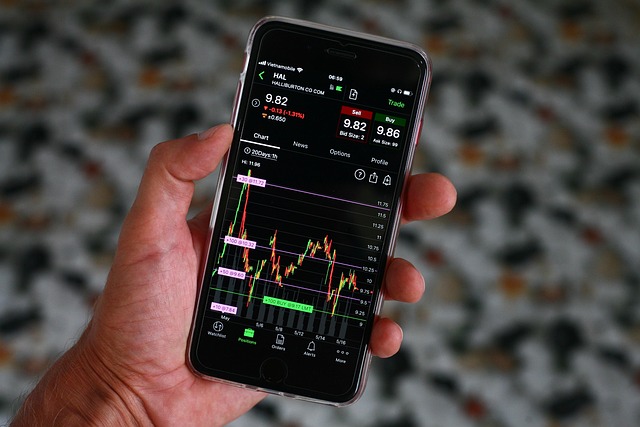
Dow Jones futures are financial contracts that allow traders to speculate on or hedge against the future value of the Dow Jones Industrial Average (DJIA), one of the oldest and most widely followed stock market indices in the world. These futures contracts are agreements to buy or sell the index at a predetermined price on a specific future date, providing valuable insights into market sentiment before the regular trading session begins.
The Dow Jones Industrial Average tracks 30 large-cap American companies, often called “blue-chip” stocks, representing major sectors of the U.S. economy. When you trade Dow futures, you’re essentially making a bet on whether this collection of stocks will rise or fall in value. These contracts trade nearly 24 hours a day, five days a week, on the Chicago Mercantile Exchange (CME), giving global investors continuous access to U.S. equity market exposure.
What makes Dow futures particularly valuable is their predictive nature. Since futures markets open before regular stock market hours (which run from 9:30 AM to 4:00 PM Eastern Time), they provide early signals about how the market might open. Pre-market futures trading begins as early as 6:00 PM the previous evening and continues through the night, reflecting global news, economic data releases, and geopolitical events that occur outside regular U.S. trading hours. This extended trading allows international investors to react to developments in their time zones and helps establish price discovery before the New York opening bell.
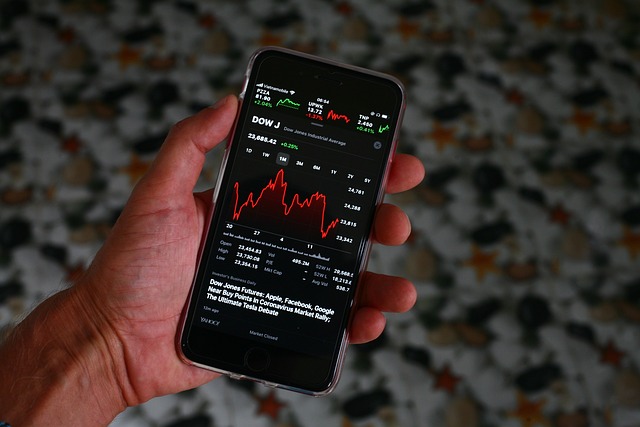
Understanding Dow futures requires grasping the concept of leverage. Futures contracts control a large amount of underlying value with a relatively small initial margin deposit, typically around 5-10% of the contract’s total value. This leverage amplifies both potential gains and losses, making futures trading a powerful but risky tool that requires careful risk management.
Key Methods
Step 1: Learning to Read Dow Futures Quotes
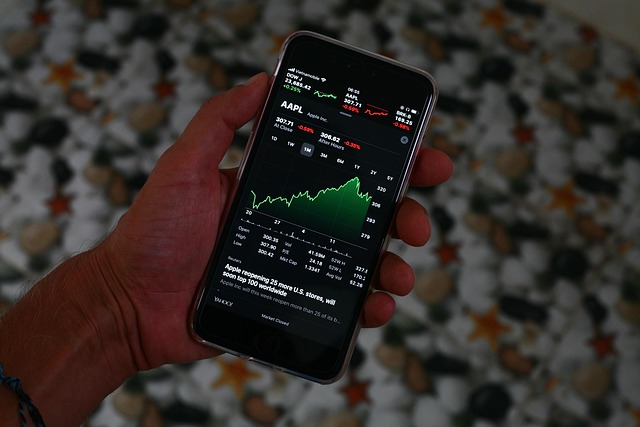
Reading Dow futures quotes correctly is essential for interpreting market signals. When you see a futures quote, you’ll notice several key components: the current futures price, the change from the previous close, and the percentage change. For example, if Dow futures are trading at 38,500 and show “+250” or “+0.65%”, this means the futures contract is currently 250 points above the previous settlement price.
To effectively read futures, you should monitor multiple timeframes. The overnight session (6:00 PM to 9:30 AM Eastern) shows global reaction to events, while the pre-market session (4:00 AM to 9:30 AM Eastern) typically sees the heaviest volume and most reliable price signals. Many experienced traders focus primarily on the final hour before the market opens, as this period incorporates the most information and tends to be the best predictor of the actual market open.
Step 2: Identifying What Drives Futures Movements

Dow futures respond to numerous catalysts that traders must understand to make informed decisions. Economic data releases are among the most powerful drivers—reports like monthly employment numbers, inflation data (CPI and PPI), GDP growth, and Federal Reserve announcements can cause futures to swing hundreds of points in minutes.
Corporate earnings reports from Dow component companies have direct impacts on futures values. When major companies like Apple, Microsoft, or JPMorgan Chase release quarterly earnings before the market opens, their results can significantly influence futures direction since these stocks carry substantial weight in the index calculation. Similarly, forward guidance from these companies about future business conditions can create lasting trends in futures trading.
Geopolitical events represent another critical driver. International conflicts, trade negotiations, political elections, and policy changes from major economies all influence Dow futures. Since futures trade globally around the clock, events happening in Asia or Europe overnight are immediately reflected in futures prices, giving U.S. traders advance warning of potential market impacts. Understanding the interconnected nature of global markets helps traders anticipate how international developments might affect Dow futures and, subsequently, the cash market.

Step 3: Developing a Futures-Based Trading Strategy
Successful futures-based strategies also involve correlation analysis—understanding how Dow futures relate to other market indicators like S&P 500 futures, Nasdaq futures, Treasury yields, and currency markets. When multiple indicators align in the same direction, the signal becomes more reliable. Conversely, divergences between different futures markets can indicate uncertainty or potential reversals, warning traders to exercise additional caution.
Practical Tips
**Tip 1: Use Futures as a Market Sentiment Gauge, Not a Perfect Predictor**
While Dow futures provide valuable insights into likely market direction, they’re not infallible predictors. Futures can and do change direction between pre-market trading and the actual market close. Treat futures as one data point among many in your decision-making process. Combine futures readings with technical analysis, fundamental research, and broader market context. Experienced traders know that futures showing a +200 point gain in overnight trading might reverse completely by the closing bell if unexpected news emerges during the trading day. Use futures to prepare for potential scenarios rather than making absolute predictions about market outcomes.
**Tip 2: Pay Special Attention During Major Economic Releases**
Mark your calendar for key economic data releases and Federal Reserve announcements, as these events create the most significant futures volatility. Employment reports (released first Friday of each month), CPI inflation data (mid-month), and FOMC meetings (eight times per year) are particularly important. In the minutes surrounding these releases, futures can move dramatically as algorithms and traders rapidly process the new information. If you’re actively trading, either position yourself before these events with appropriate risk management or wait for the initial volatility to settle before entering positions. The initial reaction to economic data isn’t always the final reaction, as traders often reassess their interpretations over the following hours.
**Tip 3: Understand the Difference Between E-mini and Full-Size Contracts**
Dow futures come in different contract sizes to accommodate various trader needs and capital levels. Full-size Dow futures ($10 per point) require substantial margin and are typically used by institutional traders, while E-mini Dow futures ($5 per point) and Micro E-mini Dow futures ($0.50 per point) are more accessible for individual traders. Understanding which contract you’re viewing in quotes is essential—a 100-point move has very different financial implications depending on contract size. Beginning traders should start with micro contracts to gain experience with lower capital risk before graduating to larger contract sizes.
**Tip 4: Monitor Futures Throughout Extended Trading Hours**
Don’t limit your futures monitoring to the hour before market open. Significant price movements often occur during the overnight session (6:00 PM to midnight Eastern) as Asian markets react to U.S. developments and early European trading begins. Setting price alerts on your trading platform for significant futures moves (such as gains or losses exceeding 0.5%) ensures you’re aware of major market developments even outside regular trading hours. This extended awareness helps you understand the full narrative of market sentiment development rather than just seeing a snapshot at 9:30 AM.
**Tip 5: Correlate Futures Movements with VIX and Bond Yields**
The most sophisticated futures analysis involves examining related markets simultaneously. The VIX (volatility index, often called the “fear gauge”) typically moves inversely to stock futures—when Dow futures fall sharply, VIX usually rises as investors anticipate increased market volatility. Similarly, U.S. Treasury yields provide crucial context; rising yields often pressure stock futures as bonds become relatively more attractive compared to equities. When Dow futures, VIX, and bond yields all send consistent signals, your confidence in the market direction should increase. Divergences between these indicators suggest uncertainty and warrant more cautious positioning.
Important Considerations
Another important factor is understanding that futures markets can be manipulated or influenced by large institutional orders, especially during low-volume periods like late-night trading. A single large trade during thin overnight markets can move futures significantly, creating a false impression of broad market sentiment. The most reliable futures signals typically come during higher-volume periods when more participants are active and prices better reflect genuine consensus views.
Tax implications also warrant consideration. Futures contracts receive different tax treatment than stocks, with gains and losses taxed under Section 1256 contracts (60% long-term, 40% short-term, regardless of holding period). Consult with a tax professional to understand how futures trading affects your specific tax situation.
Conclusion
Dow Jones futures have become an indispensable tool for modern traders and investors seeking to understand market direction before the opening bell. By learning to correctly interpret futures quotes, understanding the economic and geopolitical factors that drive futures movements, and developing disciplined strategies that incorporate futures signals alongside other analytical tools, you can gain a significant informational advantage in your investment approach.
Remember that successful futures analysis isn’t about achieving perfect predictions—it’s about improving your probability of success over time through informed decision-making. Start by observing how futures correlate with actual market openings over several weeks without risking capital. Track major economic releases and note how futures react both initially and over subsequent hours. This observation period builds pattern recognition skills that will serve you throughout your trading career.
Whether you’re a day trader using futures for precise market timing, a swing trader gauging multi-day trends, or a long-term investor using futures to inform portfolio allocation decisions, mastering Dow futures analysis will enhance your market understanding and potentially improve your investment outcomes. The key is approaching futures with respect for their complexity, maintaining rigorous risk controls, and viewing them as one valuable component of a comprehensive investment approach rather than a guaranteed path to profits.