
Crypto ATM Scams: How Criminals Steal Millions and How to Stay Safe
Cryptocurrency has revolutionized the way we think about money and financial transactions. However, with this innovation comes new opportunities for criminals to exploit unsuspecting victims. One of the most alarming trends in recent years is the rise of crypto ATM scams, where fraudsters use various tactics to trick people into sending money through cryptocurrency ATMs, also known as Bitcoin ATMs or BTMs. Understanding how these scams work and how to protect yourself is crucial in today’s digital age.
Understanding the Basics
Crypto ATM scams have become increasingly sophisticated and prevalent, with the FBI reporting losses exceeding hundreds of millions of dollars annually. These scams typically involve criminals posing as legitimate entities such as government officials, tech support representatives, romantic interests, or even family members in distress. The common thread is that victims are convinced to visit a cryptocurrency ATM and send money to the scammer’s digital wallet.
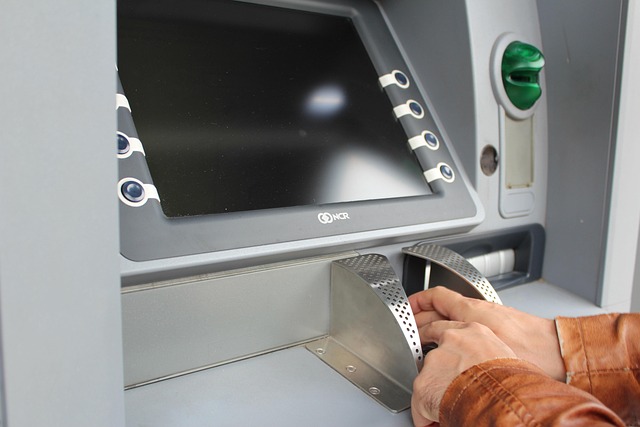
Cryptocurrency ATMs are physical kiosks that allow users to buy or sell cryptocurrencies using cash or debit cards. While these machines serve a legitimate purpose for crypto enthusiasts, their relative anonymity and irreversible transaction nature make them attractive tools for scammers. Unlike traditional bank transfers, cryptocurrency transactions cannot be reversed once completed, making it nearly impossible for victims to recover their funds.
The psychology behind these scams is particularly insidious. Scammers create a sense of urgency, fear, or emotional manipulation to cloud victims’ judgment. They might claim that your bank account has been compromised, that you owe back taxes, that a loved one is in legal trouble, or that you’ve won a prize but need to pay fees first. The pressure to act quickly prevents victims from taking the time to verify the legitimacy of the request or consult with family members or authorities.
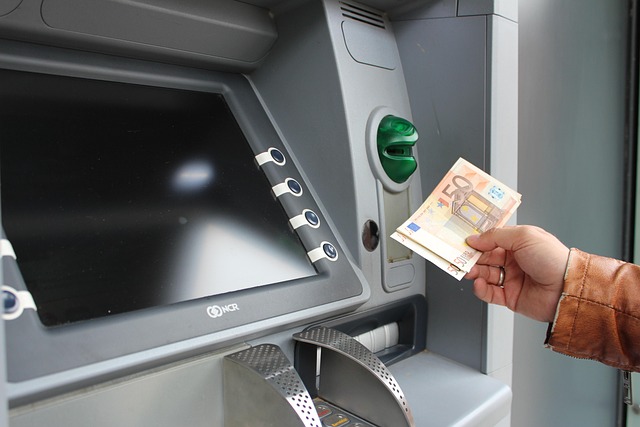
What makes crypto ATM scams especially dangerous is their accessibility. These ATMs are located in convenience stores, gas stations, and shopping centers across many cities, making them easy targets for scammers to direct victims toward. The machines often have high transaction limits, allowing criminals to extract substantial sums in a single interaction.
Key Methods
Step 1: The Initial Contact and Hook

Scammers begin by establishing contact through various channels including phone calls, text messages, emails, social media, or dating apps. The initial approach is carefully crafted to appear legitimate and urgent. For instance, in government impersonation scams, criminals spoof caller ID to display numbers that appear to be from the IRS, Social Security Administration, or local police departments. They use official-sounding language and may reference real case numbers or personal information obtained from data breaches to increase credibility.
In romance scams, fraudsters spend weeks or even months building emotional connections with victims through dating platforms. They create elaborate fictional identities, often claiming to be military personnel stationed overseas, engineers working on international projects, or widowed professionals. The scammer invests time in gaining trust before eventually fabricating a crisis that requires financial assistance.
Tech support scams typically begin with pop-up warnings on computers claiming the device is infected with viruses or has been compromised. Victims are instructed to call a phone number where fake technicians convince them that their bank accounts are at risk and funds must be moved to a “secure” cryptocurrency wallet for protection. The sophistication of these initial contacts cannot be understated—scammers use professional scripts, background noise to simulate call centers, and even fake websites that mirror legitimate organizations.
Step 2: Creating Urgency and Isolation
Once initial contact is established, scammers escalate the situation by creating an overwhelming sense of urgency and often attempt to isolate victims from their support networks. They might claim that immediate action is required to avoid arrest, prevent account closure, save a loved one from danger, or secure a time-sensitive opportunity. This psychological pressure is designed to bypass rational thinking and trigger emotional responses.
Criminals often instruct victims not to discuss the situation with family members, friends, or bank employees, claiming that doing so could compromise an investigation, alert the hackers, or violate confidentiality requirements. Some scammers stay on the phone with victims throughout the entire process of traveling to the crypto ATM and completing the transaction, providing step-by-step instructions and preventing the victim from seeking outside advice.
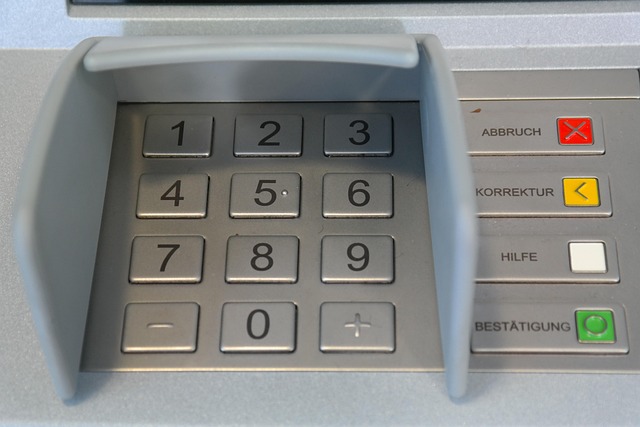
The isolation tactic is particularly effective with elderly victims who may already feel vulnerable or confused about technology. Scammers exploit this demographic’s general trust in authority figures and unfamiliarity with cryptocurrency. They may also target individuals during emotionally vulnerable periods, such as after the loss of a spouse or during financial hardship, when decision-making abilities may be compromised.
Step 3: Directing Victims to Crypto ATMs
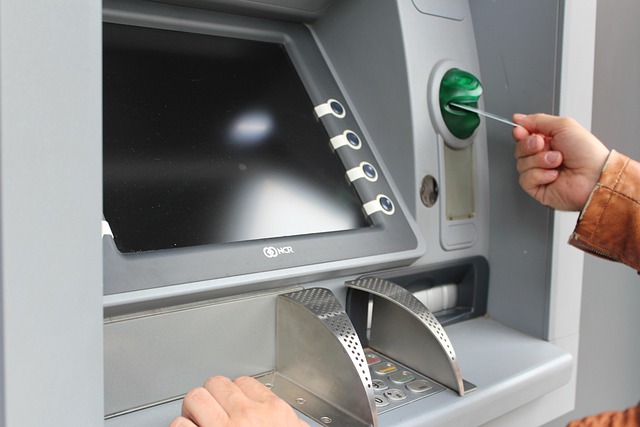
The final step involves directing victims to cryptocurrency ATMs to complete the fraudulent transaction. Scammers often use location-finding websites to identify the nearest crypto ATM to the victim’s location and provide detailed instructions on how to use the machine. They guide victims through the process of creating a cryptocurrency wallet, scanning QR codes, inserting cash, and confirming the transaction.
Many crypto ATM operators have implemented warning messages and transaction limits to combat fraud, but scammers have adapted their tactics accordingly. They might instruct victims to make multiple transactions across different machines, claim that warning messages are part of a “security protocol,” or even help victims bypass verification requirements by providing false information. Some sophisticated operations involve accomplices who intercept victims at ATM locations to provide in-person assistance with completing fraudulent transactions.
The irreversible nature of cryptocurrency transactions means that once the funds are sent, they’re virtually impossible to recover. Scammers immediately move the cryptocurrency through multiple wallets and exchanges, often converting it to other currencies or cashing out through international networks that make tracing extremely difficult.
Practical Tips
**Tip 1: Be Skeptical of Unsolicited Contact Demanding Cryptocurrency Payments**
Legitimate government agencies, tech companies, and financial institutions will never demand payment in cryptocurrency, gift cards, or wire transfers for taxes, fines, tech support, or account security. If someone contacts you claiming to represent an official organization and requests crypto payment, it’s a scam. Always independently verify such claims by hanging up and calling the organization’s official phone number found through your own research, not through numbers provided by the caller. Remember that caller ID can be spoofed, so even if a call appears to come from a legitimate number, it may not actually originate from that source. Take time to verify before acting on any urgent financial requests.
**Tip 2: Never Send Cryptocurrency to Someone You Haven’t Met in Person**
Romance scams and online relationship fraud involving cryptocurrency have cost victims billions of dollars. If you’ve developed an online relationship with someone who eventually asks for money—especially through cryptocurrency—it’s almost certainly a scam. Real romantic interests don’t ask for financial assistance through untraceable payment methods. Be particularly wary of anyone who claims to want to meet but always has last-minute emergencies that require money, cannot video chat due to technical issues, or has elaborate stories about why they need funds sent via crypto ATM. No matter how strong the emotional connection feels, protect yourself by refusing to send cryptocurrency to anyone you haven’t verified in person.
**Tip 3: Understand That Legitimate Entities Won’t Ask You to Keep Secrets**
A major red flag in crypto ATM scams is when the person contacting you instructs you not to tell anyone about the transaction, investigation, or situation. Legitimate law enforcement, government agencies, and financial institutions never tell you to keep financial matters secret from family, friends, or your bank. Scammers use secrecy to prevent you from receiving the warning signs that others would immediately recognize. If someone insists you cannot discuss a financial matter with trusted advisors, this is a manipulation tactic. Always feel empowered to consult with family members, friends, or local police before making any significant financial decisions, especially those involving cryptocurrency.
**Tip 4: Educate Yourself About Cryptocurrency Transaction Characteristics**
**Tip 5: Look for and Heed Warning Signs at Crypto ATMs**
Many cryptocurrency ATM operators have implemented fraud prevention measures including on-screen warnings, transaction limits, and verification requirements. If you encounter messages warning about potential scams when using a crypto ATM, take them seriously rather than dismissing them as routine disclaimers. If the person who directed you to the ATM tells you to ignore warnings or provides explanations for why you should bypass security measures, this is a critical red flag. Additionally, if you’re being guided through the transaction remotely by someone on the phone, stop and reconsider the situation. Legitimate cryptocurrency transactions are conducted independently, not under the instruction of someone pressuring you to act quickly. Trust your instincts—if something feels wrong or rushed, walk away from the ATM and seek advice from trusted sources.
Important Considerations
When dealing with any situation that might lead you to a crypto ATM, it’s essential to recognize the warning signs and understand the broader context of how these scams operate. First, be aware that scammers continuously evolve their tactics to stay ahead of public awareness campaigns and law enforcement efforts. What worked to protect you last year may not be sufficient today. Stay informed about new scam variations by following updates from the Federal Trade Commission, FBI, and AARP Fraud Watch Network.
Second, understand that anyone can become a victim regardless of intelligence, education, or technical sophistication. Scammers use psychological manipulation techniques refined over decades of criminal activity. Feeling embarrassed about falling for a scam prevents many victims from reporting incidents, which allows criminals to continue operating. If you’ve been victimized, report it immediately to local law enforcement, the FBI’s Internet Crime Complaint Center (IC3), and the crypto ATM operator. While recovery of funds is unlikely, your report helps authorities track criminal networks and potentially prevent future victims.
Third, protect your personal information vigilantly. Data breaches and information sold on the dark web provide scammers with details about you that make their approaches more convincing. Use strong, unique passwords for different accounts, enable two-factor authentication where available, and be cautious about sharing personal details on social media. The more information criminals have about you, the more personalized and credible their scams can appear.
Finally, have conversations with vulnerable family members, especially elderly relatives, about crypto ATM scams. Many victims are seniors who may not be familiar with cryptocurrency or modern scam tactics. Establish family protocols for discussing significant financial decisions and create an environment where loved ones feel comfortable seeking advice without fear of judgment.
Conclusion
The key to protection lies in understanding the tactics scammers use—creating urgency, demanding secrecy, impersonating authority, and exploiting emotional vulnerabilities. By recognizing these patterns and remembering that legitimate entities never demand cryptocurrency payments for government matters, tech support, or romantic relationships, you can shield yourself from these predatory schemes.
Remember that taking time to verify information is not paranoia—it’s prudent financial self-defense. No legitimate urgent matter requires immediate cryptocurrency payment without the possibility of verification. If you encounter a situation that seems suspicious, pause, disconnect from the person pressuring you, and consult with trusted family members or authorities before proceeding.
Education is the most effective tool against crypto ATM scams. Share information about these schemes with friends, family, and colleagues, particularly those who may be more vulnerable. By creating communities of informed individuals who look out for one another, we can collectively reduce the success rate of these criminal operations and protect those who might otherwise fall victim.
Stay vigilant, trust your instincts, and remember that in the world of cryptocurrency transactions, there’s no such thing as being too careful. The few minutes you take to verify a claim could save you from financial devastation and emotional trauma. Protect yourself by staying informed, questioning urgent demands, and never sending cryptocurrency to someone pressuring you to act without time for reflection and verification.