

Dhaka Travel Guide: Exploring Bangladesh’s Vibrant Capital City Alone
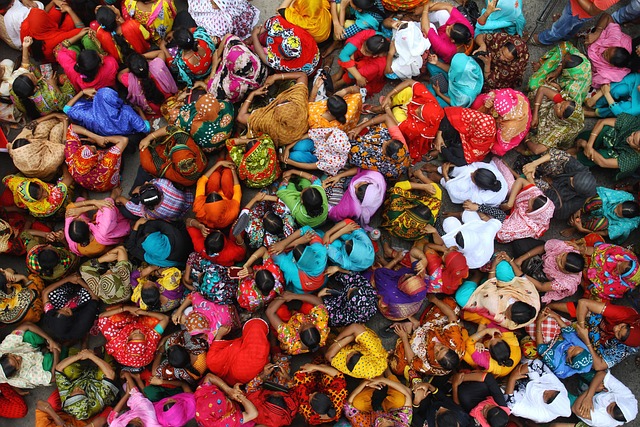
Dhaka, the capital of Bangladesh, is often called one of the world’s maddest cities – and for good reason. This sprawling metropolis of over 20 million people pulses with an energy unlike anywhere else on earth. The streets overflow with rickshaws, street vendors, and constant motion, creating a sensory experience that can be overwhelming yet exhilarating. For solo travelers seeking authentic experiences off the beaten path, Dhaka offers a unique glimpse into South Asian urban life that few other cities can match. While it may seem chaotic at first glance, there’s an underlying rhythm to this city that reveals itself to those willing to dive in and explore.
Understanding the Basics

Before embarking on your solo journey to Dhaka, it’s essential to understand what makes this city tick. Dhaka is not your typical tourist destination – it’s a working city where daily life unfolds in vibrant, unfiltered ways. The population density is among the highest in the world, which means you’ll rarely find yourself alone in public spaces. This can actually be an advantage for solo travelers, as there’s always activity and people around, though it does require patience and adaptability.
The city is divided into several key areas, each with its own character. Old Dhaka, located in the southern part of the city, is where you’ll find the most historical architecture, including the famous Lalbagh Fort and Ahsan Manzil palace. This area is a labyrinth of narrow streets filled with centuries-old markets, mosques, and traditional neighborhoods. New Dhaka, to the north, is more modern with shopping malls, restaurants, and contemporary architecture. Gulshan and Banani are upscale neighborhoods popular with expats and wealthy locals, offering international dining and shopping options.
The best time to visit Dhaka is during the winter months from November to February when temperatures are more moderate, ranging from 12-25°C (54-77°F). The monsoon season from June to October brings heavy rainfall that can flood streets and disrupt transportation. Summer months from March to May are extremely hot and humid, with temperatures often exceeding 35°C (95°F). As a solo traveler, timing your visit during the pleasant winter months will make navigating the city much more comfortable and enjoyable.
Key Methods
Step 1: Mastering Transportation
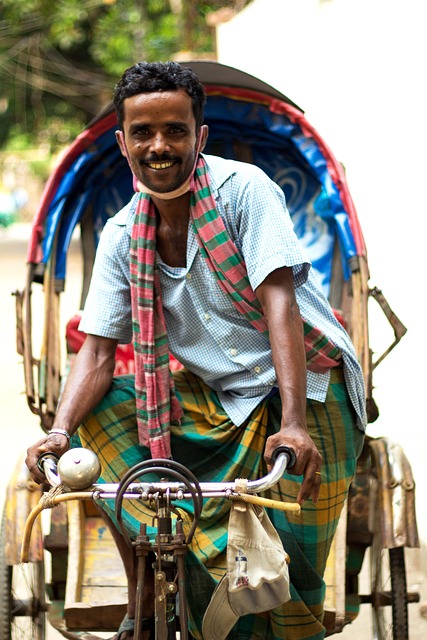
Getting around Dhaka as a solo traveler requires understanding the various transportation options available. The most iconic mode of transport is the rickshaw – brightly decorated three-wheeled cycle rickshaws that weave through traffic with remarkable agility. For solo travelers, rickshaws are perfect for short distances and offer an authentic local experience. Always negotiate the fare before starting your journey, as meters are not used. A typical short ride should cost 30-50 taka (about $0.30-$0.50), though prices may be higher for foreigners initially.
For longer distances, ride-sharing apps like Uber and Pathao are lifesavers for solo travelers. These apps provide transparent pricing, GPS tracking for safety, and eliminate language barriers and price negotiations. The CNG auto-rickshaws (three-wheeled motorized vehicles) are another option – they’re faster than cycle rickshaws but require fare negotiation. Download offline maps before arriving, as internet connectivity can be spotty in some areas. Public buses exist but are extremely crowded and difficult to navigate for newcomers, so they’re best avoided unless you’re feeling particularly adventurous.
Step 2: Navigating Cultural Norms
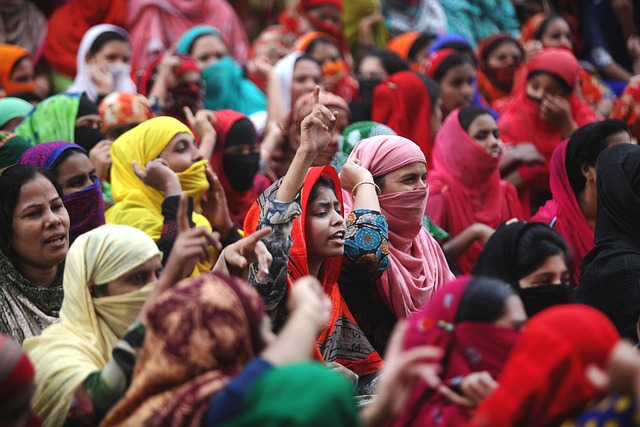
Traveling alone in Dhaka means being particularly mindful of local customs and cultural sensitivities. Bangladesh is a predominantly Muslim country, and dressing modestly is important, especially for women traveling solo. Men should avoid shorts and sleeveless shirts, while women should opt for clothing that covers shoulders and knees – loose-fitting pants or long skirts paired with tops that cover the arms work well. Carrying a lightweight scarf is useful for women, as it can be used to cover your head when entering mosques or conservative areas.
As a solo traveler, you’ll attract attention and curiosity from locals – this is normal and usually comes from a place of genuine interest rather than anything sinister. Bangladeshis are generally very friendly and hospitable, often going out of their way to help foreigners. However, maintain standard safety precautions: avoid displaying expensive electronics or jewelry, be cautious when accepting help from strangers (especially with ATMs or money exchange), and trust your instincts if a situation feels uncomfortable. Learning a few basic Bengali phrases like “Dhonnobad” (thank you) and “Koto taka?” (how much?) will earn you respect and make interactions smoother.
Step 3: Planning Your Itinerary
Exploring Dhaka alone requires a strategic approach to make the most of your time while managing the city’s challenges. Start your journey in Old Dhaka, where you can visit the stunning Star Mosque (Tara Masjid) with its intricate mosaic decorations, explore the bustling Sadarghat riverfront where hundreds of boats dock daily, and wander through Shankhari Bazaar, a historic Hindu neighborhood filled with traditional shops. The Armenian Church, one of the oldest in the region, offers a quiet respite from the chaos outside.
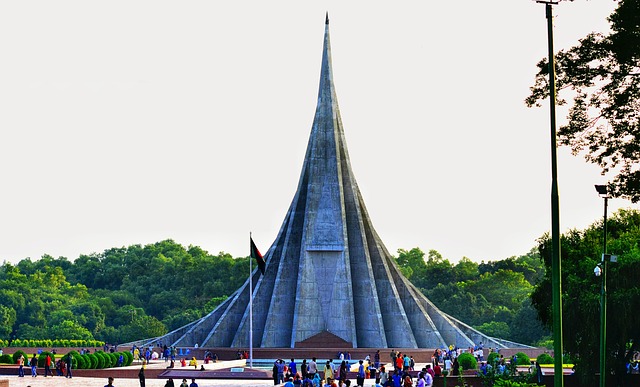
Dedicate at least half a day to exploring the Lalbagh Fort complex, an incomplete 17th-century Mughal fortress with beautiful gardens and a museum. The National Museum is worth several hours for understanding Bangladesh’s history from ancient times through the Liberation War of 1971. For a taste of modern Dhaka, visit Gulshan Lake or Hatirjheel Lake in the evening when locals come out for walks and street food vendors set up shop. The Liberation War Museum provides powerful insights into Bangladesh’s fight for independence and is a must-visit for history enthusiasts.
Practical Tips
**Tip 1: Money Management and Safety** – ATMs are widely available in Dhaka, but they frequently run out of cash or experience technical issues, so always withdraw money when you see a working machine. Carry a mix of large and small bills, as many vendors cannot break 500 or 1000 taka notes. Keep emergency cash hidden separately from your main wallet. Credit cards are accepted at upscale hotels and restaurants but rarely elsewhere. Consider informing your bank of your travel plans to avoid card blocks. For solo travelers, it’s wise to keep digital copies of important documents in cloud storage and carry photocopies rather than originals when exploring the city. Money belts or hidden pouches can provide extra security for passports and larger amounts of cash.
**Tip 2: Food and Water Precautions** – Dhaka’s street food scene is incredible but requires caution for solo travelers who can’t afford to get sick. Stick to busy food stalls with high turnover – if locals are eating there, it’s generally a good sign. Avoid uncooked foods like salads and fruits you can’t peel yourself. Only drink bottled water and avoid ice in drinks unless you’re at a reputable establishment. Carry hand sanitizer and use it frequently, especially before eating. Some must-try local dishes include biryani (especially from Haji Biriyani near New Market), kacchi (slow-cooked lamb and rice), fuchka (crispy filled snacks), and various fresh juices from vendors who squeeze them in front of you. The restaurant scene in Gulshan and Banani offers safer options if you need a break from street food.
**Tip 3: Accommodation Strategies** – Choosing the right neighborhood for accommodation is crucial for solo travelers in Dhaka. Gulshan and Banani offer the most amenities, safety, and English-speaking locals, though at higher prices ($30-100+ per night). Dhanmondi is a good middle-ground option with university vibes, more affordable guesthouses ($15-40), and decent access to both old and new Dhaka. Old Dhaka has very limited accommodation options suitable for foreign solo travelers. Book your first few nights in advance through reputable platforms, and once you arrive, you can explore other options if desired. Look for places with 24-hour reception for added security and convenience. Many hotels offer airport pickup services, which is highly recommended for solo arrivals, especially at night.
**Tip 4: Communication and Connectivity** – Getting a local SIM card should be your first priority upon arrival. Grameenphone and Robi are the most reliable carriers with good coverage throughout Dhaka. You’ll need a copy of your passport and visa to purchase one (available at the airport or mobile phone shops). A SIM card with data costs around 200-500 taka and will make navigation, ride-sharing apps, and emergency communication much easier. Download Google Translate with the Bengali language pack for offline use – the camera translation feature is particularly helpful for reading signs and menus. WhatsApp is widely used in Bangladesh, making it easy to stay in touch with hotel staff, tour guides, or new local friends. Consider investing in a portable power bank, as you’ll be using your phone extensively for navigation and photos.
**Tip 5: Health and Medical Preparedness** – Before traveling to Dhaka alone, ensure you’re up to date on routine vaccines and consider additional ones like Hepatitis A and B, Typhoid, and Japanese Encephalitis depending on your travel plans. Pack a comprehensive first-aid kit including anti-diarrheal medication, rehydration salts, antibiotics (prescribed by your doctor), pain relievers, and any prescription medications you need. Air pollution in Dhaka is significant, so those with respiratory issues should bring masks and necessary medications. International-standard medical facilities exist in Dhaka, with United Hospital, Apollo Hospital, and Square Hospital being the best options for serious issues. Make note of these locations relative to your accommodation. Travel insurance with medical coverage is absolutely essential – verify that it covers Bangladesh and includes emergency evacuation if needed.
Important Considerations
Safety as a solo traveler in Dhaka requires awareness without paranoia. The city is generally safe for foreigners, and violent crime against tourists is rare. However, petty theft, scams, and harassment can occur. Women traveling alone may experience unwanted attention, staring, and occasionally verbal harassment – while uncomfortable, this is usually not dangerous. Respond by ignoring it completely or firmly saying “No” and walking away. Avoid traveling alone late at night, especially in isolated areas or by rickshaw. If going out at night, use ride-sharing apps and stick to well-lit, populated areas.
Be particularly careful at ATMs – use machines inside banks or shopping malls rather than standalone ones on the street, and be aware of anyone watching you enter your PIN. Common scams include overly friendly strangers offering to show you around (who then demand payment), shopkeepers claiming to give you a “special price” that’s actually inflated, and taxi drivers taking unnecessarily long routes. Traffic accidents are unfortunately common in Dhaka, so always wear seatbelts when available and choose your transportation carefully.
The political situation in Bangladesh can occasionally lead to hartals (general strikes) or protests, which can shut down transportation and businesses with little notice. Stay informed through news sources and your hotel staff, and avoid any political gatherings or demonstrations. Register with your embassy upon arrival so they can contact you in case of emergencies. Despite these considerations, millions of people navigate Dhaka daily, and with common sense and preparation, solo travelers can have incredible experiences in this fascinating city.
Conclusion
Traveling alone through Dhaka is not for the faint of heart, but for adventurous solo travelers seeking authentic experiences, it offers rewards that few other cities can match. The controlled chaos of the streets, the warmth of the people, the incredible food, and the layers of history waiting to be discovered make Dhaka a destination that will challenge and change you. Yes, it’s crowded, hot, sometimes overwhelming, and far from the polished tourist experience of other Asian capitals – but that’s precisely what makes it special.
As a solo traveler, you have the freedom to move at your own pace, to take wrong turns and discover hidden gems, to have spontaneous conversations with curious locals, and to immerse yourself fully in the rhythm of the city. The key is approaching Dhaka with patience, humor, and openness. Things won’t always go according to plan – traffic will be worse than expected, directions will be unclear, and you’ll find yourself in situations you never anticipated – but these moments often become the most memorable parts of your journey. Embrace the madness, trust in the kindness of strangers (while maintaining healthy caution), and remember that every challenging moment is adding to your story and building your confidence as a solo traveler. Dhaka will push you out of your comfort zone, but it will also show you incredible hospitality, stunning architecture, delicious food, and a perspective on urban life that exists nowhere else on earth.