

Copenhagen Living Guide: Growing Up in Denmark’s Capital City
Copenhagen is a fascinating city that offers a unique blend of Scandinavian culture, modern urban living, and traditional Danish values. For young people growing up in Denmark’s capital, the experience shapes their worldview in distinctive ways that set them apart from their peers in other European cities.
Understanding the Basics
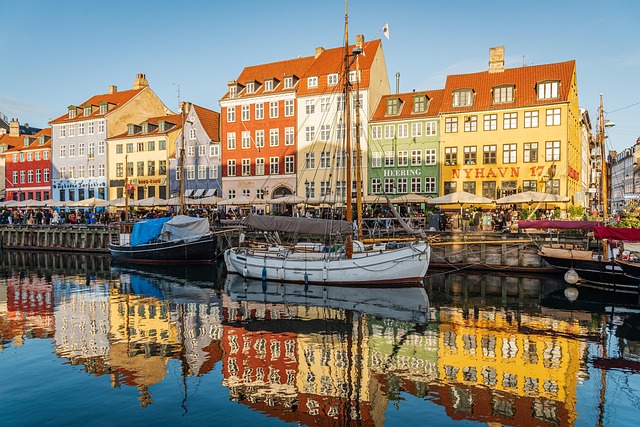
Copenhagen, known locally as København, is more than just Denmark’s capital—it’s a city that embodies the Danish concept of “hygge” while maintaining a progressive, forward-thinking atmosphere. Growing up here means experiencing a childhood and adolescence surrounded by bike lanes, sustainable living practices, and a strong sense of community that permeates every neighborhood.
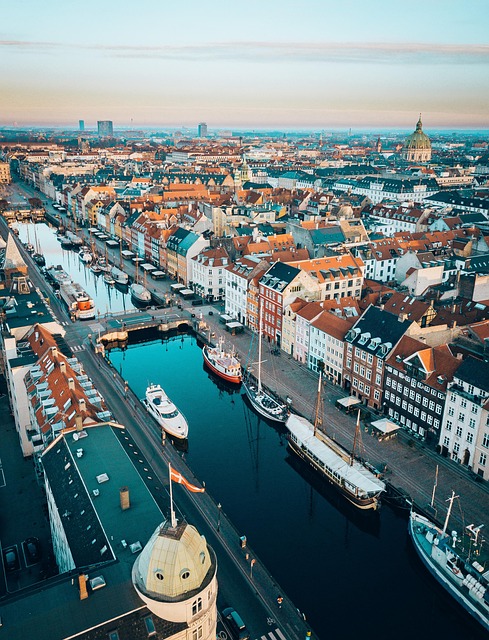
The city’s compact size, with a population of around 800,000 in the metropolitan area, creates an intimate urban experience where young residents can easily navigate between different districts. From the colorful houses of Nyhavn to the alternative community of Christiania, Copenhagen offers diverse environments that shape young people’s understanding of what city living can be.
What makes Copenhagen particularly special for young residents is the emphasis on work-life balance and quality of life that Danish culture prioritizes. Children grow up seeing their parents leave work at reasonable hours, experiencing long summer evenings at the beach, and understanding that education and personal development are valued over pure academic competition. The Danish welfare system provides a safety net that allows young people to take risks, pursue creative careers, and explore their interests without the crushing pressure found in many other major cities.
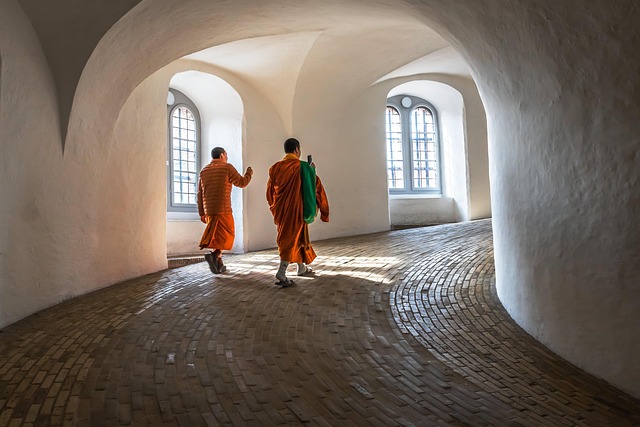
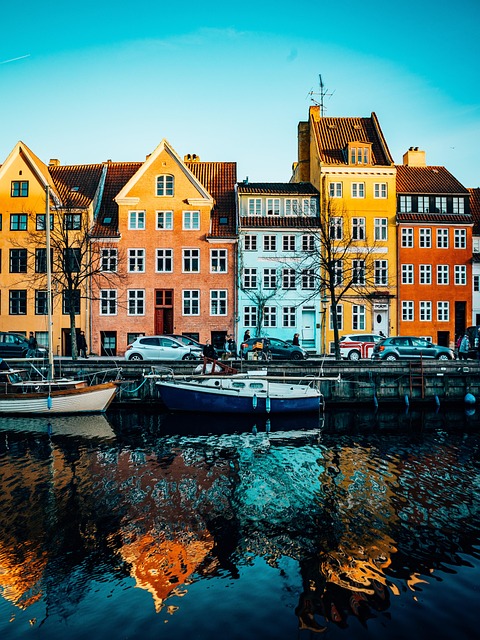
The city’s architecture tells a story of blending old and new—historic buildings stand alongside cutting-edge sustainable developments, teaching young residents that progress doesn’t mean abandoning tradition. This visual lesson in balance becomes part of the DNA of anyone who grows up navigating Copenhagen’s streets.
Key Methods
Step 1: Embracing the Cycling Culture
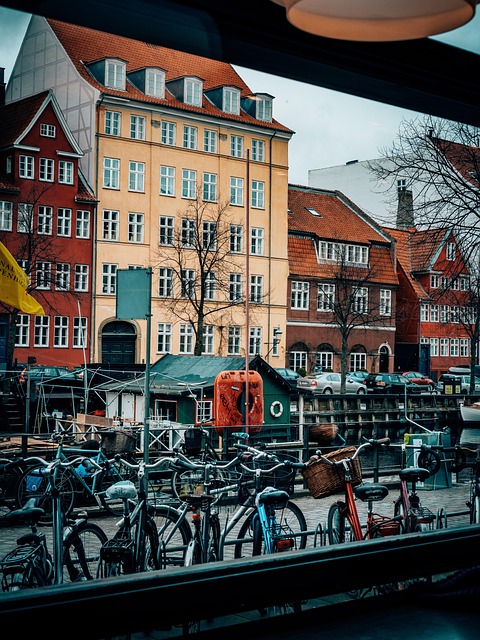
From an early age, Copenhagen’s youth learn that cycling isn’t just transportation—it’s a way of life and a fundamental part of the city’s identity. Children as young as five or six begin biking to school, often in special bike lanes designed with their safety in mind. This early independence teaches responsibility and spatial awareness that stays with them throughout life.
The city boasts over 400 kilometers of dedicated bike lanes, and young Copenhageners quickly master the unspoken rules of cycling etiquette. They learn to signal turns with hand gestures, understand the priority system at intersections, and develop an almost sixth sense for navigating traffic alongside cars and pedestrians. Rain, snow, or shine, the bikes keep moving—a testament to the resilient spirit that growing up in Copenhagen instills.
This cycling culture does more than just provide transportation; it creates a democratic public space where CEOs bike alongside students, where conversations happen at traffic lights, and where the city’s pace allows for observation and connection with the urban environment in ways that driving simply cannot replicate.
Step 2: Navigating the Education System
The Danish education system, which Copenhagen’s youth experience firsthand, operates on principles quite different from many other countries. The focus is on critical thinking, collaboration, and personal development rather than rote memorization and standardized testing. Young people grow up in classrooms where questioning authority is encouraged and where the relationship between teachers and students is remarkably informal.
High school students typically attend gymnasium for three years, choosing between different tracks like STX (general studies), HHX (business), or HTX (technical). This choice, made around age 15-16, represents a significant moment in a young Copenhagener’s life, shaping their social circles and future opportunities. The freedom to explore different subjects and the absence of school uniforms or strict hierarchies create an environment where individuality is celebrated.
What’s particularly notable is the SU system—a government stipend that Danish students receive for higher education. This means young adults in Copenhagen can pursue university studies without accumulating massive debt, fundamentally changing their relationship with education and career choices. Growing up knowing this safety net exists shapes ambitions and risk tolerance in powerful ways.
Step 3: Building Social Connections Through Community Spaces
Copenhagen’s young people grow up with access to numerous youth clubs, sports facilities, and cultural institutions that foster community connections. The city invests heavily in spaces designed specifically for different age groups, from playgrounds with innovative equipment to youth centers offering everything from music studios to workshop spaces.
The concept of “friluftsliv” (outdoor life) is deeply embedded in Copenhagen culture, despite being an urban environment. Young residents regularly visit places like Amager Strandpark, where they can swim in clean harbor waters just minutes from the city center, or explore the vast green spaces of Fælledparken where festivals, sports, and casual gatherings happen throughout the year.
Social connections in Copenhagen often revolve around “foreninger” (associations)—whether it’s football clubs, rowing teams, scouts, or music groups. These organizations provide structure and belonging, teaching young people the value of collective effort and shared responsibility. The bonds formed through these activities often last a lifetime, creating networks that extend well into adulthood.
Practical Tips
**Tip 1: Master the Art of “Hygge”**
Growing up in Copenhagen means internalizing the Danish concept of hygge—that untranslatable sense of cozy contentment. Young people learn to create warmth and connection in small moments: lighting candles even on ordinary weekdays, gathering friends for casual dinners, and finding joy in simple pleasures. This isn’t just about aesthetics; it’s a coping mechanism for long, dark winters and a philosophy that prioritizes human connection over material success. Understanding hygge means knowing when to slow down, when to invite people in, and how to create atmosphere that makes others feel welcome and valued.
**Tip 2: Learn to Navigate Danish Directness**
Copenhagen’s youth grow up in a culture that values honesty and directness over polite evasion. This can be jarring for outsiders, but for locals, it’s simply efficient communication. Young people learn early that saying what you mean isn’t rude—it’s respectful of everyone’s time. This directness extends to feedback in school, conversations with parents, and interactions with authority figures. The key is understanding that direct doesn’t mean harsh; Danish communication typically combines frankness with a fundamental respect for the individual.
**Tip 3: Embrace the Seasons Fully**
Copenhagen’s dramatic seasonal shifts teach young residents to adapt and find joy in each phase of the year. Summer means long evenings at outdoor cafes, swimming in the harbor, and festivals that stretch into the night. Winter requires resilience—accepting the darkness, investing in good lighting at home, and finding beauty in frost-covered parks. Young Copenhageners learn that complaining about weather is pointless; instead, they dress appropriately and adjust their activities. This adaptability becomes a valuable life skill that extends far beyond weather-related challenges.
**Tip 4: Develop Financial Literacy Early**
With Denmark’s high cost of living, young people in Copenhagen quickly learn the value of money and budgeting. Even with the SU system supporting students, navigating Copenhagen’s expensive restaurants, housing market, and entertainment options requires financial savvy. Many young residents learn to cook at home, find free cultural events, and make strategic choices about where to spend their limited resources. This early financial awareness often leads to more responsible money management in adulthood.
**Tip 5: Build Language Skills Beyond Danish**
While growing up speaking Danish is fundamental to the Copenhagen experience, young residents quickly learn that English proficiency is essential. Copenhagen is increasingly international, with many university programs taught in English and a growing expat community. Young Copenhageners typically speak excellent English from an early age, and many also study German, Spanish, or French. This multilingual environment prepares them for global opportunities while maintaining strong roots in Danish culture and language.
Important Considerations
Growing up in Copenhagen comes with unique challenges that shouldn’t be romanticized. The “Janteloven” (Law of Jante)—an unwritten social code that discourages standing out or claiming superiority—can be both a force for equality and a constraint on ambition. Young people sometimes struggle with this cultural expectation to be modest and not draw attention to achievements, leading to internal conflicts between personal goals and social expectations.
The high cost of living presents real challenges, particularly for young adults trying to establish independence. Finding affordable housing in Copenhagen is notoriously difficult, with many young people living in kollektiv (shared housing) well into their twenties or even thirties. The housing shortage means that even well-educated, employed young professionals may struggle to find their own place, creating a sense of delayed adulthood that can be frustrating.
The dark winter months genuinely affect mental health, and growing up in Copenhagen means learning to cope with Seasonal Affective Disorder and the psychological impact of limited sunlight from November through February. While Danes have developed cultural strategies to manage this—hygge, light therapy, maintaining social connections—it remains a real challenge that shouldn’t be underestimated.
Conclusion
Growing up in Copenhagen shapes young people in profound ways, creating individuals who value balance, sustainability, and community while maintaining independence and critical thinking. The experience of navigating this compact, bike-friendly city teaches resilience, adaptability, and an appreciation for quality of life over pure material success.
Young Copenhageners emerge with a unique perspective—they’ve experienced a society that invests in its citizens, that prioritizes environmental sustainability, and that believes in equality and social welfare. They’ve learned to find joy in simple pleasures, to communicate directly, and to navigate dark winters with grace. They understand that community matters, that cycling in rain builds character, and that good design and thoughtful urban planning genuinely improve daily life.
While Copenhagen isn’t perfect—no city is—it offers young people a remarkably balanced foundation for life. The skills, values, and perspectives gained from growing up in Denmark’s capital create individuals equipped to thrive in an increasingly complex world while maintaining the distinctly Danish ability to find contentment in the everyday moments that make life worth living.