
Hangzhou Travel Guide 2025: Top 10 Must-See Attractions
Hangzhou is one of China’s most enchanting cities, blending ancient cultural heritage with modern innovation. Located in Zhejiang Province, this stunning destination has captivated travelers for centuries with its picturesque West Lake, historic temples, and vibrant tea culture. As we enter 2025, Hangzhou continues to evolve as a premier tourist destination, offering visitors an unforgettable experience that combines natural beauty, rich history, and cutting-edge technology. Whether you’re a first-time visitor or returning to explore deeper, this comprehensive guide will help you discover the very best that Hangzhou has to offer.
Understanding the Basics
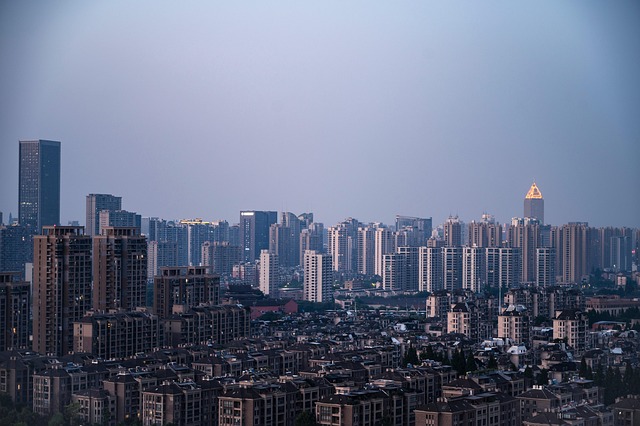
Hangzhou serves as the capital of Zhejiang Province and is renowned throughout China as one of the country’s most beautiful cities. The city’s history spans over 2,200 years, and it was once the capital of the Southern Song Dynasty, establishing it as a center of culture, commerce, and innovation. Today, Hangzhou seamlessly blends this historical significance with its role as a modern tech hub, being home to global companies like Alibaba.
The city’s crown jewel is undoubtedly West Lake (Xi Hu), a UNESCO World Heritage Site that has inspired poets, artists, and travelers for millennia. The lake’s serene waters, surrounded by lush hills, ancient pagodas, and elegant gardens, create a landscape that seems almost too perfect to be real. Beyond West Lake, Hangzhou offers visitors the chance to explore ancient temples nestled in bamboo forests, sample some of the world’s finest green tea in traditional tea houses, and experience the unique blend of old and new that defines modern China.
Getting to Hangzhou is easier than ever in 2025. Hangzhou Xiaoshan International Airport connects the city to major destinations worldwide, while the high-speed rail network links Hangzhou to Shanghai in just 45 minutes and Beijing in under 5 hours. Within the city, an efficient metro system, bike-sharing programs, and traditional water taxis on West Lake make navigation simple and enjoyable. The best times to visit are spring (March to May) and autumn (September to November) when the weather is mild and the natural scenery is at its most spectacular.
Key Methods
Step 1: Planning Your West Lake Experience
West Lake should be the centerpiece of any Hangzhou itinerary, and properly experiencing it requires thoughtful planning. The lake covers approximately 6.5 square kilometers and is surrounded by numerous attractions, gardens, and scenic spots. To truly appreciate West Lake, plan to spend at least a full day exploring its various sections. Start your morning early to catch the sunrise over the lake – the sight of morning mist rising from the water as the sun illuminates the surrounding hills is absolutely magical.
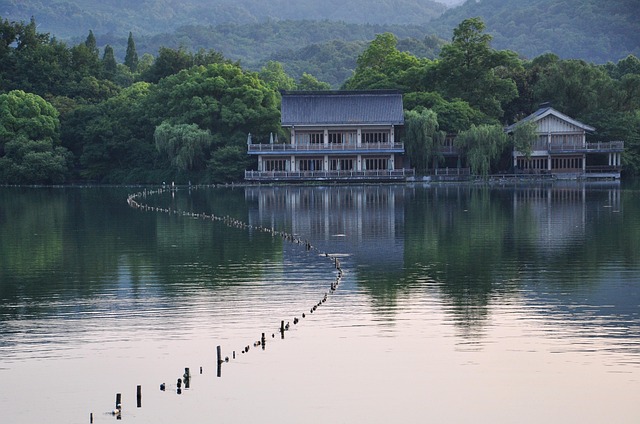
Consider taking a traditional boat tour to experience the lake from the water, visiting the iconic Three Pools Mirroring the Moon islands. Walk or cycle along the Su Causeway and Bai Causeway, two ancient pathways that cross the lake and offer constantly changing perspectives of the scenery. Don’t miss the musical fountain show in the evening, which combines water, light, and music in a spectacular display. Renting a bicycle is highly recommended as it allows you to cover more ground while enjoying the fresh air and scenic views at your own pace.
Step 2: Exploring Historic Temples and Cultural Sites
Hangzhou’s spiritual heritage is magnificently preserved in its numerous temples and cultural sites. The Lingyin Temple, dating back to 326 AD, is one of China’s most important Buddhist temples and sits nestled in a forested valley west of West Lake. The temple complex is enormous, featuring ornate halls, ancient stone carvings, and the famous Feilai Feng grottoes with hundreds of Buddhist sculptures carved into the cliff faces.

Arrive early in the morning to avoid crowds and experience the temple’s peaceful atmosphere when monks perform their morning chants. The Six Harmonies Pagoda (Liuhe Pagoda) offers another essential cultural experience, standing 60 meters tall along the Qiantang River. Climb the pagoda’s interior stairs for panoramic views of the river and surrounding countryside. The Hefang Street area provides a taste of old Hangzhou, with traditional architecture, local snacks, and artisan workshops selling everything from silk fans to traditional medicines. Plan at least half a day for temple exploration, allowing time to fully absorb the spiritual atmosphere and architectural beauty.
Step 3: Immersing Yourself in Tea Culture
No visit to Hangzhou is complete without experiencing the city’s legendary tea culture, particularly its famous Longjing (Dragon Well) green tea. The tea plantations in the hills surrounding West Lake produce some of the most prized tea in China. Visit the China National Tea Museum to learn about tea history, cultivation, and preparation methods through interactive exhibits and demonstrations.
Then head to Longjing Village, where you can walk through terraced tea plantations, watch tea pickers at work during harvest season (usually March to May), and participate in traditional tea ceremonies. Many family-run tea houses offer tastings where you can learn to distinguish quality tea and understand the subtle art of tea preparation. Purchase directly from farmers for the freshest tea at better prices than city shops. Allocate at least 3-4 hours for a proper tea village visit, including transportation time from central Hangzhou. This experience provides deep insight into an essential aspect of Chinese culture while offering stunning rural scenery.
Practical Tips
**Tip 1: Use Digital Payment Systems** – Hangzhou is one of China’s most digitally advanced cities, and cash is rarely used. Before arriving, set up WeChat Pay or Alipay on your smartphone, as these are essential for everything from metro tickets to street food purchases. Most vendors, including small shops and market stalls, prefer or exclusively accept digital payments. Having these apps ready will make your travel experience much smoother and more convenient.
**Tip 2: Learn Basic Mandarin Phrases** – While Hangzhou is increasingly international, English is not widely spoken outside major hotels and tourist areas. Learning basic phrases like “hello” (nǐ hǎo), “thank you” (xiè xiè), and “how much?” (duō shǎo qián) will greatly enhance your experience. Download a translation app with offline capability, and consider using apps like Pleco for Chinese characters. Locals genuinely appreciate visitors who make an effort to speak Mandarin, and it often leads to warmer interactions and better service.
**Tip 3: Book Accommodations Near West Lake** – Staying near West Lake puts you in the heart of Hangzhou’s main attractions and allows you to experience the area at different times of day. Early morning walks around the lake before crowds arrive are particularly special. The areas around Nanshan Road and Beishan Street offer numerous hotels at various price points, excellent restaurants, and easy access to major sites. While these accommodations may cost 20-30% more than those farther out, the convenience and atmosphere are well worth the investment.
**Tip 4: Avoid Peak Holiday Periods** – Chinese national holidays, particularly Golden Week in October and Spring Festival in January or February, bring massive crowds to Hangzhou. During these periods, popular attractions become extremely crowded, hotels raise prices significantly, and the overall experience suffers. If possible, schedule your visit during weekdays in spring or autumn shoulder seasons. Not only will you encounter fewer tourists, but you’ll also experience better weather and potentially see seasonal highlights like spring flowers or autumn foliage.
**Tip 5: Explore Beyond the Main Attractions** – While West Lake and major temples are essential, some of Hangzhou’s most memorable experiences lie off the beaten path. Visit the Xixi National Wetland Park for peaceful boat rides through traditional water towns and bird watching. Explore the contemporary art scene at the China Academy of Art or browse independent shops in the trendy Wulin Square area. Try local Hangzhou cuisine at neighborhood restaurants rather than tourist-focused establishments – dishes like Dongpo pork, West Lake vinegar fish, and Beggar’s chicken are local specialties worth seeking out from authentic sources.
Important Considerations
When visiting Hangzhou, several important factors deserve careful attention to ensure a smooth and respectful experience. First, be aware that China requires advance visa planning for most international visitors. Check visa requirements well before your trip and allow sufficient processing time, as delays can occur during busy periods. Some visitors can enter through the 144-hour visa-free transit policy if arriving from and departing to third countries, but verify eligibility carefully.
Weather preparation is crucial, as Hangzhou experiences distinct seasons with hot, humid summers and cold, damp winters. Summer temperatures regularly exceed 35°C (95°F) with high humidity, making outdoor activities challenging during midday. Winter can be surprisingly cold despite rarely snowing, with temperatures sometimes dropping below freezing and high humidity making it feel colder. Pack accordingly and plan indoor activities during extreme weather.
Environmental consciousness matters in Hangzhou, particularly around West Lake, where authorities work hard to preserve natural beauty. Dispose of trash properly, stay on designated paths, and avoid picking flowers or disturbing wildlife. The city has made tremendous efforts to reduce pollution and protect green spaces, and visitors should support these initiatives.
Conclusion
Hangzhou stands as one of China’s most rewarding travel destinations, offering a perfect blend of natural beauty, cultural depth, and modern convenience. From the timeless elegance of West Lake to the spiritual tranquility of ancient temples, from the aromatic tea plantations to the vibrant contemporary culture, this city provides experiences that satisfy diverse interests and travel styles. The attractions highlighted in this guide represent just the beginning of what Hangzhou has to offer – each visit reveals new layers of beauty, history, and cultural significance.
As you plan your 2025 journey to Hangzhou, remember that the city rewards those who take time to look beyond surface attractions. Engage with locals, try regional cuisine, participate in traditional practices like tea ceremonies, and allow yourself to simply wander through gardens and along lakeshores without a rigid schedule. Some of the most memorable travel moments come from unexpected discoveries – a hidden temple garden, a conversation with a tea farmer, or a perfectly timed sunset over West Lake.
Hangzhou’s combination of accessibility, safety, and extraordinary beauty makes it an ideal destination for both experienced China travelers and first-time visitors to the country. Whether you’re drawn by historical interest, natural scenery, culinary exploration, or simply the desire to experience one of China’s most celebrated cities, Hangzhou will exceed your expectations. Start planning your trip now, and prepare to discover why this magnificent city has inspired travelers and poets for over a thousand years. Your Hangzhou adventure awaits!