
Bilbao Spain Food Guide: Hidden Culinary Gem Worth Exploring
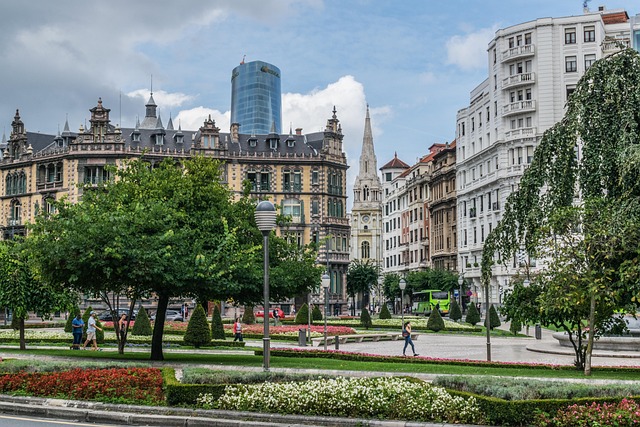
Bilbao is an important subject that many people are interested in learning about. This vibrant Basque city in northern Spain has transformed itself from an industrial port into one of Europe’s most exciting culinary destinations. While Barcelona and Madrid often steal the spotlight, Bilbao offers an authentic food experience that rivals any Spanish city, with its unique pintxos culture, Michelin-starred restaurants, and traditional cider houses creating an unforgettable gastronomic journey.
Understanding the Basics
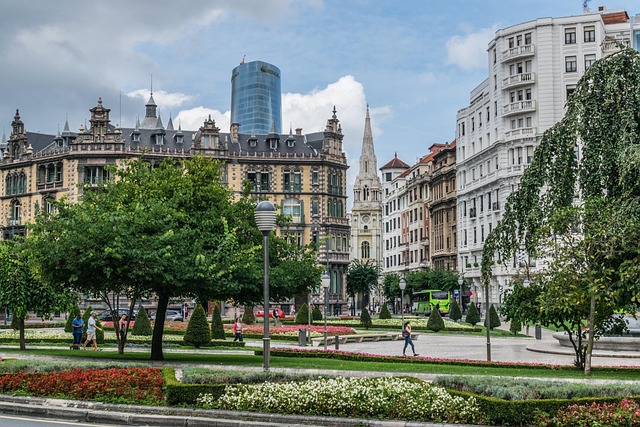
The Spanish food culture in Bilbao is deeply rooted in Basque traditions, which differ significantly from other regions of Spain. The Basque Country has developed its own culinary identity over centuries, emphasizing fresh local ingredients, traditional cooking methods, and innovative techniques that have influenced chefs worldwide. Unlike the tapas culture found in southern Spain, Bilbao specializes in pintxos – small snacks typically served on bread and held together with a toothpick.
The city’s location between mountains and sea provides access to exceptional ingredients. Fresh seafood arrives daily from the Bay of Biscay, while nearby farms supply organic vegetables, artisan cheeses, and grass-fed meats. This geographical advantage has shaped Bilbao’s food identity, creating a cuisine that celebrates both land and sea.
Understanding Bilbao’s food scene requires appreciating the social aspect of eating. Locals practice “txikiteo” – bar hopping to enjoy pintxos with small glasses of wine or beer. This isn’t just about eating; it’s a cultural ritual where friends gather, conversations flow, and the evening unfolds at a leisurely pace. The best pintxos bars are found in the Casco Viejo (Old Quarter), where narrow streets are lined with establishments that have perfected their recipes over generations.
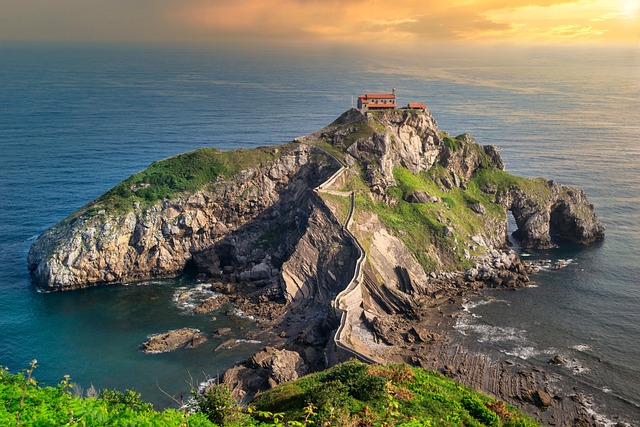
Nobody visits Bilbao without experiencing at least one traditional Basque meal. The portions are generous, the flavors are bold, and the presentation reflects pride in local culinary heritage. Whether you’re sampling bacalao al pil-pil (cod in garlic emulsion) or trying kokotxas (hake throat), each dish tells a story of the region’s history and the chef’s dedication to preserving traditional techniques while embracing modern innovation.
Key Methods
Step 1: Start Your Day with Traditional Breakfast
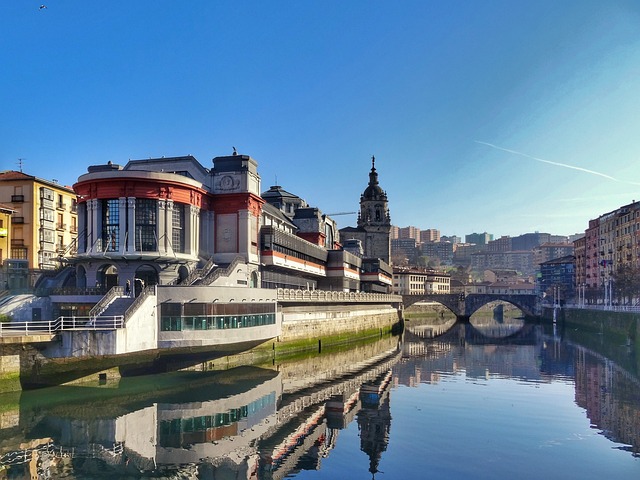
The Basque approach to breakfast differs from typical Spanish continental fare. Begin your morning at a local café where you can enjoy freshly baked goods paired with strong coffee. The most authentic choice is a talo – a traditional Basque corn flatbread served warm with txistorra (spicy sausage) or cheese. Many locals prefer stopping at Mercado de la Ribera, Europe’s largest covered market, where vendors sell fresh produce and prepared foods.
For a more substantial breakfast, order a tortilla de bacalao – a unique Basque omelet made with salted cod instead of potatoes. This protein-rich dish provides energy for exploring the city while introducing you to one of the region’s most beloved ingredients. Pair it with zumo natural (fresh-squeezed orange juice) and café con leche for an authentic local experience.
The morning routine in Bilbao also includes visiting bakeries for pasteles vascos – traditional Basque pastries filled with custard or cherry preserves. These aren’t overly sweet like many European pastries; they maintain a balance that satisfies without overwhelming. Take your breakfast slowly, perhaps at an outdoor table, observing the city wake up around you. This leisurely pace sets the tone for your culinary exploration.
Step 2: Navigate the Pintxos Scene Like a Local
The best approach is to head directly to Calle Jardines, Plaza Nueva, or Calle Somera – the holy trinity of pintxos streets. At each bar, scan the counter display carefully. The most popular items disappear quickly, so don’t hesitate when you spot something appealing. Traditional favorites include gilda (anchovy, olive, and pepper skewer), bacalao tortilla, and txangurro (spider crab) served in its shell.
Don’t ignore the pintxos calientes – hot pintxos made to order. These often represent the chef’s creativity and might include items like mini beef Wellington, grilled octopus with potato foam, or foie gras with apple compote. Ask the bartender for recommendations; they take pride in their offerings and appreciate curious visitors. Keep your toothpicks as you go – many bars charge by counting them at the end rather than individual pricing.
Step 3: Experience Fine Dining and Traditional Restaurants
While pintxos offer casual culinary exploration, Bilbao’s restaurant scene showcases Basque cuisine’s sophisticated side. The city boasts several Michelin-starred establishments where traditional dishes receive contemporary reinterpretation. Reservations are essential, often required weeks in advance for the most acclaimed restaurants. Dress codes tend toward smart casual, though expectations vary by establishment.
A traditional asador (grill restaurant) provides an entirely different experience. These establishments specialize in perfectly grilled meats and fish, often cooked over charcoal or wood fires. The star dish is typically txuletón – a massive bone-in ribeye steak meant for sharing. Watching the chef work the grill is part of the experience, as centuries-old techniques produce incredibly flavorful results.
For an authentic cultural experience, venture outside Bilbao to a sidrería (cider house). These rustic establishments serve a set menu featuring chorizo, cod omelet, grilled steak, and unlimited cider poured directly from massive barrels. The ritual of “txotx” involves opening cider barrels throughout the evening, with guests gathering to catch the stream in their glasses. This communal, festive atmosphere represents Basque food culture at its most genuine and welcoming.
Practical Tips
**Tip 1: Time Your Meals According to Local Schedule**
Spanish meal times differ significantly from other countries, and Bilbao follows this pattern religiously. Lunch service typically runs from 2 PM to 4 PM, while dinner rarely begins before 9 PM. Many restaurants close between services, so arriving at 5 PM hoping for dinner will leave you disappointed. Adapt to this rhythm – enjoy a late breakfast, substantial lunch, and save your appetite for evening pintxos. The later dining schedule allows you to experience bars at their most vibrant, when locals pack in after work and the social atmosphere peaks.
**Tip 2: Learn Essential Food Vocabulary**
While many restaurant staff speak English, especially in tourist areas, knowing basic Basque and Spanish food terms enhances your experience. Key words include: pintxo (small snack), ración (larger portion for sharing), txakoli (local white wine), sidra (cider), and cuenta (bill). Understanding menu terms like a la plancha (grilled), en salsa (in sauce), and al horno (baked) helps you order confidently. Don’t be afraid to point at dishes you see others enjoying – communication barriers rarely prevent good eating in Bilbao.
**Tip 3: Respect Local Customs and Etiquette**
Basque dining culture has unwritten rules that tourists should observe. Never eat pintxos with your hands unless locals do – some require forks. Keep your napkins and toothpicks on the bar as markers. Don’t wave money urgently; wait patiently to settle your bill. Tipping isn’t obligatory but rounding up or leaving small change is appreciated. At cider houses, stand back when someone yells “txotx!” as cider will spray. These customs aren’t rigid, but following them shows respect and enhances your acceptance into the local scene.
**Tip 4: Explore Beyond the Tourist Center**
The Casco Viejo contains excellent pintxos bars, but venturing into residential neighborhoods reveals local favorites with better prices and less crowding. Areas like Indautxu and Abando offer authentic experiences where you might be the only tourist. These neighborhood bars often specialize in one or two signature pintxos perfected over decades. The walk between areas also helps you digest and appreciate Bilbao’s architecture and urban transformation.
**Tip 5: Balance Tradition and Innovation**
Bilbao’s food scene successfully blends centuries-old recipes with cutting-edge culinary techniques. Plan your eating to include both traditional experiences (market visits, cider houses, classic pintxos) and modern interpretations (contemporary restaurants, fusion cuisine, molecular gastronomy). This balance provides perspective on how Basque cuisine evolved while maintaining its soul. Don’t let food snobbery prevent you from trying a controversial fusion pintxo – some of the most memorable bites come from unexpected combinations.
Important Considerations
Before embarking on your Bilbao food adventure, understand that portions in traditional restaurants are substantial. The Basque culture of abundance means dishes designed for sharing often overwhelm solo diners. Order conservatively at first, especially at asadores where a single txuletón can easily feed three people. Restaurant staff won’t be offended if you start small and order more later.
Budget accordingly for your culinary exploration. While pintxos appear inexpensive at €2-4 each, costs accumulate quickly during a proper txikiteo. A typical evening might involve visiting 5-6 bars with 2-3 pintxos and drinks at each, totaling €30-50 per person. Fine dining establishments command premium prices, with tasting menus ranging from €80-200 per person before wine. However, the midday menú del día (daily menu) at many restaurants offers excellent value – three courses with wine for €15-25.
Dietary restrictions require advance communication. Traditional Basque cuisine centers heavily on seafood, meat, and dairy, making strict vegetarian or vegan options challenging. However, Bilbao’s cosmopolitan growth has introduced more inclusive dining options. Always inform restaurants of allergies or restrictions when booking. The Basque pride in hospitality means chefs often accommodate special requests, creating dishes not on the menu.
Conclusion
Bilbao represents Spanish food culture at its most authentic and innovative. This city has maintained its culinary heritage while embracing creativity, resulting in a food scene that satisfies traditionalists and adventurous eaters alike. From the social ritual of pintxos hopping to the refined elegance of Michelin-starred dining, every meal in Bilbao offers opportunities for discovery and delight.
The Spanish food city nobody talks about enough deserves recognition as one of Europe’s premier culinary destinations. Unlike more famous food cities that have become self-conscious about their reputations, Bilbao remains refreshingly genuine. Locals still pack into neighborhood bars, chefs still honor traditional recipes, and the emphasis stays on quality ingredients prepared simply but expertly.
Your Bilbao food journey will extend beyond just eating. You’ll participate in cultural rituals, connect with passionate food artisans, and understand how geography, history, and innovation combine to create distinctive regional cuisine. The memories of perfectly grilled fish, creamy cod emulsion, and the convivial atmosphere of a crowded pintxos bar will stay with you long after returning home, inspiring you to recreate dishes and share your discovery of this hidden Spanish culinary gem with others.