
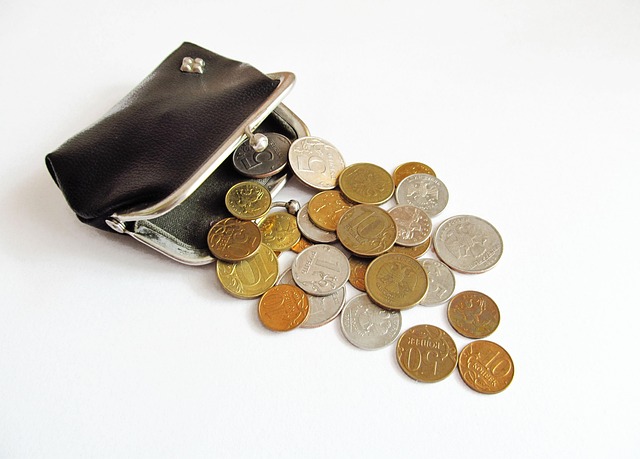
Complete Guide to US Penny Coins: Values, Nickels, Dimes & Quarters Explained
Understanding American currency is essential for anyone living in or visiting the United States. Whether you’re teaching children about money, collecting coins, or simply want to understand the monetary system better, this comprehensive guide will walk you through everything you need to know about pennies, nickels, dimes, and quarters.
Understanding the Basics
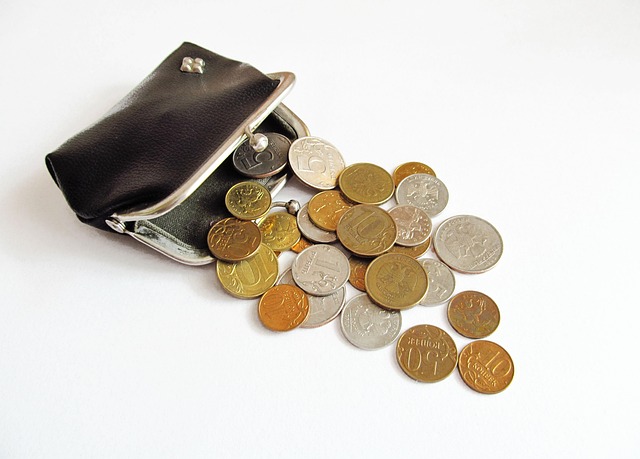
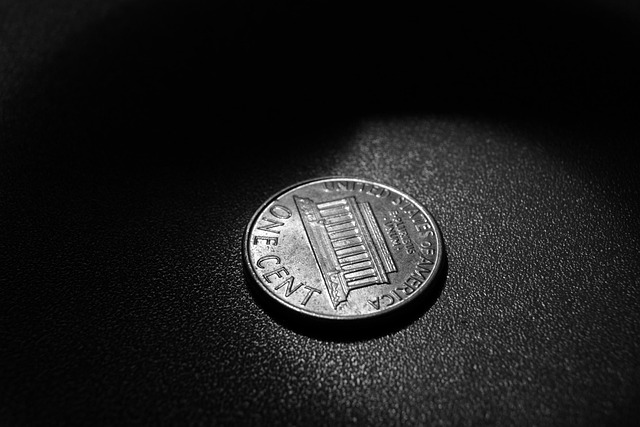
The penny, officially called a “cent,” is the smallest denomination in US currency. Made primarily of zinc with a copper coating since 1982, the penny features Abraham Lincoln on the obverse side and the Lincoln Memorial or Union Shield on the reverse. Despite ongoing debates about its usefulness due to production costs exceeding its face value, the penny remains in circulation and is essential for exact change transactions.
The nickel, worth 5 cents, is composed of 75% copper and 25% nickel. It’s larger and thicker than a dime despite being worth less. Thomas Jefferson graces the obverse, while Monticello, his Virginia estate, appears on the reverse. The nickel has remained relatively unchanged in composition since 1866, making it one of the most stable coins in American history.
The dime, valued at 10 cents, is the smallest coin in physical size but not in value. Franklin D. Roosevelt appears on the obverse, commemorating his leadership during the Great Depression and World War II. The reverse features a torch, olive branch, and oak branch symbolizing liberty, peace, and strength. Made of a copper-nickel clad composition, dimes are crucial for making change and vending machine transactions.
The quarter, worth 25 cents, is perhaps the most versatile and widely used coin. Originally featuring an eagle on the reverse, quarters now showcase the 50 State Quarters Program designs, America the Beautiful series, or other commemorative images. George Washington appears on the obverse, and the quarter’s size and weight make it ideal for parking meters, laundry machines, and arcade games.
Key Methods
Step 1: Identifying and Distinguishing Coins
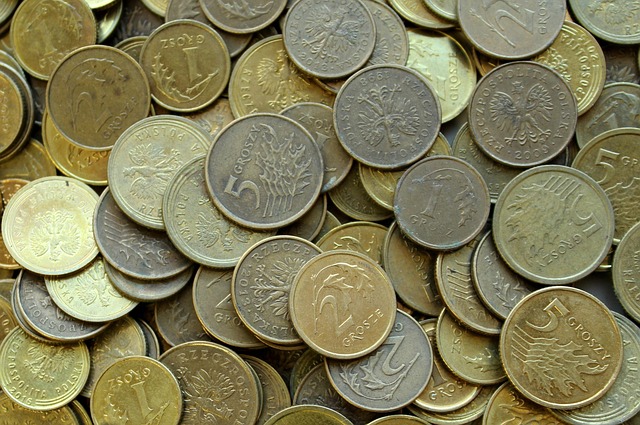
Learning to quickly identify each coin is the first crucial step in mastering US currency. The easiest way to distinguish coins is by size and color. Pennies are copper-colored and medium-sized, while nickels are larger and silver-colored. Dimes, though worth more than nickels, are actually smaller and have ridged edges. Quarters are the largest of the four common coins and also feature ridged edges.
Physical characteristics provide additional identification methods. The penny is smooth-edged and has a diameter of 19.05mm. Despite being worth less, the nickel is larger at 21.21mm and also has smooth edges. The dime measures 17.91mm with 118 reeds (ridges) around its edge. The quarter, at 24.26mm, has 119 reeds on its edge. These ridges, called “reeding,” were originally added to prevent people from shaving precious metals off the edges of coins.
Weight is another distinguishing factor that becomes intuitive with experience. A penny weighs 2.5 grams, a nickel weighs 5.0 grams, a dime weighs 2.268 grams, and a quarter weighs 5.67 grams. Interestingly, despite being worth twice as much, a dime weighs less than a nickel due to its smaller size and different composition.
Step 2: Calculating Values and Making Change
Understanding how to combine coins to make specific amounts is essential for everyday transactions. Start with the largest denomination and work your way down. For example, to make 67 cents, you would use 2 quarters (50 cents), 1 dime (60 cents), 1 nickel (65 cents), and 2 pennies (67 cents).
Practice counting mixed coins by grouping them by type first. Count all quarters and multiply by 25, then nickels by 5, dimes by 10, and finally add pennies. This systematic approach reduces errors and speeds up the counting process. For instance, if you have 3 quarters, 2 dimes, 1 nickel, and 4 pennies, you would calculate: (3×25) + (2×10) + (1×5) + 4 = 75 + 20 + 5 + 4 = 104 cents or $1.04.
Making change requires working backwards from the purchase price. If an item costs 73 cents and you pay with a dollar, you need 27 cents in change. The most efficient combination would be 1 quarter and 2 pennies, though other combinations like 2 dimes, 1 nickel, and 2 pennies also work. Understanding efficient change-making helps in retail situations and personal finance management.
Step 3: Recognizing Valuable and Collectible Coins
While most coins are worth only their face value, certain pennies, nickels, dimes, and quarters can be worth significantly more to collectors. Learning to spot these valuable coins can turn pocket change into treasure. Key factors include mint year, mint mark, condition, and errors or variations in production.
Rare pennies include the 1943 copper penny (most 1943 pennies were steel), 1955 doubled die, and 1909-S VDB. These can be worth hundreds to thousands of dollars. For nickels, look for 1942-1945 silver war nickels (35% silver content), 1950-D, and 2005 buffalo nickels with errors. Mercury dimes (1916-1945) and certain Roosevelt dimes contain 90% silver if minted before 1965.
Practical Tips
**Tip 1: Organize Your Coins Systematically** – Keep coins sorted by denomination in separate containers or coin rolls. This habit saves time when counting money and makes transactions smoother. Use clear jars or coin sorters to quickly identify what you have. Many banks provide free coin wrappers, allowing you to roll and deposit coins efficiently. Coin counting machines at stores offer convenience but often charge 10-12% fees, so rolling coins yourself saves money. Establish a regular routine of sorting pocket change each evening to prevent accumulation and stay organized.
**Tip 2: Teach Children Using Hands-On Activities** – Physical coins are excellent educational tools for teaching math, counting, and financial literacy. Create games where children identify coins by touch alone, building tactile recognition skills. Use play store setups where kids practice making purchases and giving change. Songs like “The Money Song” help children memorize coin values through melody and repetition. Start with pennies and nickels, gradually introducing dimes and quarters as comprehension grows. Relate coin values to items they can purchase, making abstract numbers concrete and meaningful.
**Tip 3: Check Coins Before Spending** – Develop the habit of examining coins before using them in transactions. Look for unusual coloring, different weights, or odd designs that might indicate valuable varieties. Pay special attention to wheat pennies (1909-1958), silver quarters and dimes (pre-1965), and any coins that look different from modern issues. Even if you’re not a serious collector, setting aside potentially valuable coins costs nothing and might yield surprising discoveries. A simple magnifying glass helps spot mint marks and subtle variations that distinguish common coins from rarities.
**Tip 4: Understand Modern Commemorative Programs** – The US Mint regularly issues special designs while maintaining standard denominations. The 50 State Quarters Program (1999-2008) released unique reverse designs for each state. The America the Beautiful Quarters Program (2010-2021) featured national parks and sites. Presidential dollar coins and Native American dollar coins expand collecting opportunities. Following these programs adds interest to coin handling and can be an affordable entry into numismatics. Complete sets of commemorative coins often appreciate in value over time, especially in uncirculated condition.
**Tip 5: Proper Storage and Preservation** – If collecting or saving coins, proper storage prevents damage and maintains value. Handle coins by their edges to avoid fingerprints on faces. Store valuable coins in acid-free holders, tubes, or albums designed for numismatics. Avoid cleaning coins, as improper cleaning dramatically reduces collector value—patina and natural toning are often desirable. Keep coins in stable temperature and humidity environments, away from harsh chemicals. For truly valuable pieces, consider professional grading services that authenticate and rate condition, significantly enhancing resale value and buyer confidence.
Important Considerations
When handling and using coins, several important factors deserve attention. First, be aware that production costs for pennies and nickels exceed their face value, leading to periodic discussions about eliminating these denominations. Understanding this economic reality helps contextualize potential future changes to the monetary system. Some businesses have begun rounding to the nearest nickel, though pennies remain legal tender.
Counterfeit coins are rare in small denominations but not impossible. Familiarize yourself with authentic coin specifications including weight, size, and design details. Genuine coins have sharp, clear details, while counterfeits often show blurry or poorly defined features. If a coin feels wrong in weight or appearance, it’s worth having it examined by a coin dealer or bank professional.
Be cautious about coin-cleaning products and methods promoted online. Harsh chemicals, abrasive materials, and improper techniques permanently damage coins, especially collectible ones. Natural toning and age-related patina are generally preferred by collectors over artificially cleaned surfaces. If you must clean coins for circulation use, mild soap and water are safest, but never clean potentially valuable pieces without expert consultation.
Conclusion
Whether you’re teaching children about money, managing household finances, or exploring coin collecting as a hobby, the principles remain consistent: learn to identify coins accurately, calculate values efficiently, and recognize when ordinary pocket change might be extraordinary. The rich history embodied in each coin design connects us to American heritage while serving present-day commercial needs.
Continue practicing coin identification and counting skills regularly. Stay informed about commemorative programs and valuable varieties. Most importantly, approach coins with curiosity and attention to detail—you never know when that ordinary-looking penny might turn out to be a rare treasure worth far more than one cent. The journey from novice to confident coin handler requires patience and practice, but the skills you develop will serve you well for decades to come.