
Uzbekistan Travel Guide: Essential Introduction for First-Time Visitors
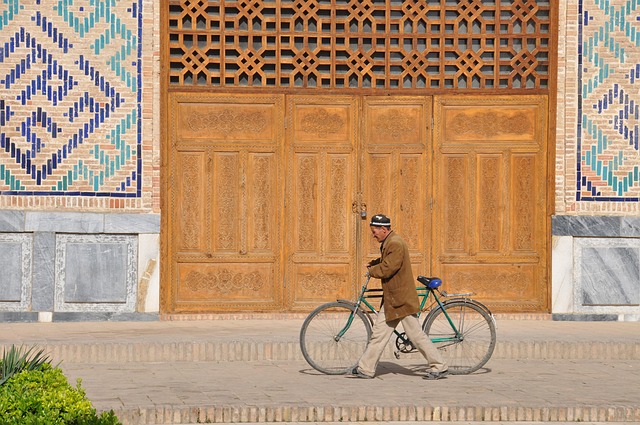
Uzbekistan is an important subject that many people are interested in learning about. This Central Asian gem, nestled along the ancient Silk Road, offers travelers a unique blend of stunning Islamic architecture, rich history, and warm hospitality that few destinations can match.
Understanding the Basics
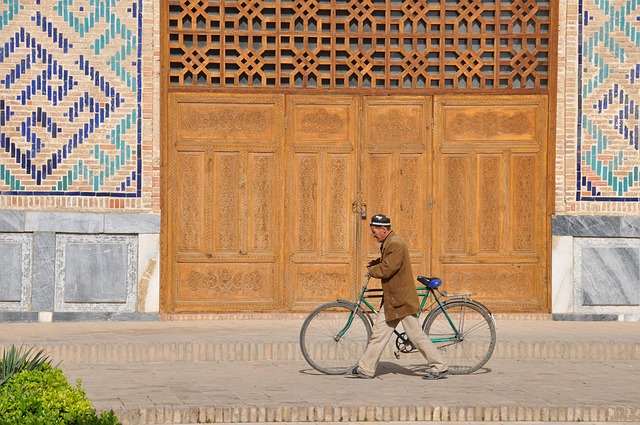
Uzbekistan is a landlocked country in Central Asia, bordered by Kazakhstan, Kyrgyzstan, Tajikistan, Afghanistan, and Turkmenistan. With a population of approximately 35 million people, it stands as the most populous nation in Central Asia. The country gained independence from the Soviet Union in 1991 and has since been developing its tourism infrastructure while preserving its incredible cultural heritage.
The climate in Uzbekistan is continental, characterized by hot summers and cold winters. The best time to visit is during spring (April to May) or autumn (September to October) when temperatures are moderate and pleasant for sightseeing. Summer temperatures can soar above 40°C (104°F), making outdoor exploration challenging, while winter brings cold winds and occasional snow.
The official language is Uzbek, though Russian is widely spoken, especially in urban areas. English is becoming more common among younger generations and those working in tourism, but learning a few basic phrases in Uzbek or Russian will greatly enhance your experience and endear you to locals.
The local currency is the Uzbek Som (UZS). While credit cards are accepted in major hotels and some restaurants in cities like Tashkent and Samarkand, cash remains king throughout most of the country. ATMs are available in major cities, but it’s advisable to carry sufficient cash when venturing to smaller towns.
Key Methods
Step 1: Planning Your Itinerary
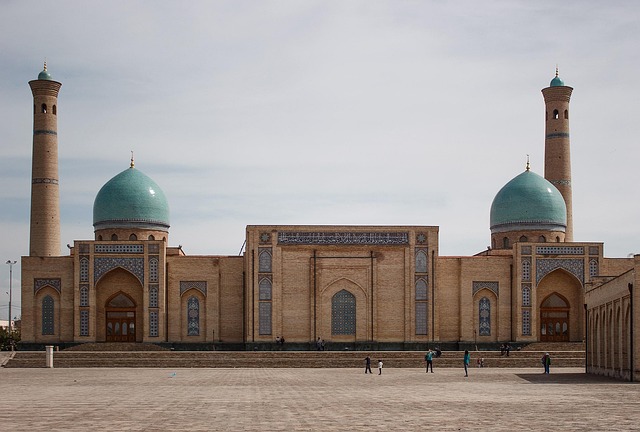
The classic Uzbekistan route follows the ancient Silk Road cities: Tashkent, Samarkand, Bukhara, and Khiva. Tashkent, the capital, serves as the main entry point with its international airport. Plan to spend at least 10 to 14 days to properly explore these four cities without rushing.
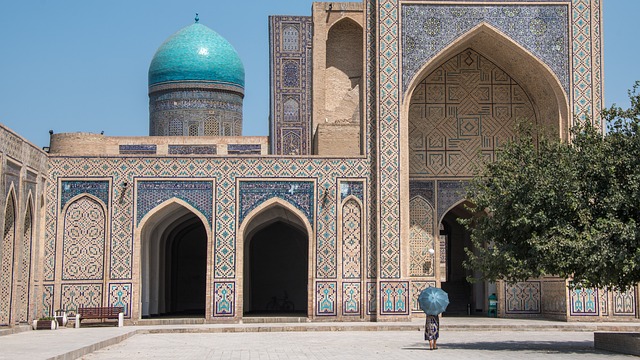
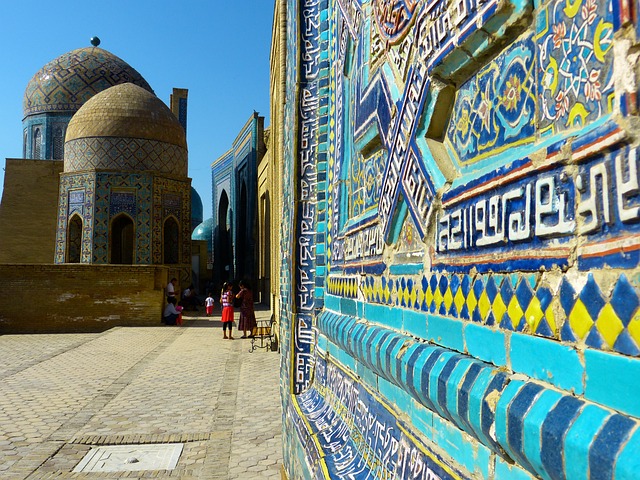
Samarkand, often called the crossroads of cultures, is home to the legendary Registan Square, Shah-i-Zinda necropolis, and the Gur-e-Amir mausoleum where Tamerlane rests. Bukhara offers over 140 architectural monuments, including the Kalyan Minaret and the Ark Fortress. Khiva’s Itchan Kala inner city is a UNESCO World Heritage Site that feels like stepping into a living museum.
Consider adding the Fergana Valley for traditional craftsmanship, the Aral Sea region for a sobering environmental lesson, or the desert fortresses of Karakalpakstan for off-the-beaten-path adventures.
Step 2: Handling Visa and Entry Requirements
Uzbekistan has significantly simplified its visa requirements in recent years. Citizens of many countries, including the United States, European Union nations, Japan, South Korea, and others, can enter visa-free for stays up to 30 days. Check the current requirements for your nationality before traveling, as policies continue to evolve.
Registration is mandatory for all foreign visitors. If you stay at hotels, they will handle registration automatically. However, if you stay with friends or family, you must register at a local OVIR office within three days of arrival. Keep all registration slips as you may need to present them upon departure.
Travel insurance is not mandatory but highly recommended. Medical facilities outside Tashkent can be limited, and evacuation insurance provides peace of mind for remote area exploration.
Step 3: Getting Around the Country
High-speed Afrosiyob trains connect Tashkent, Samarkand, and Bukhara, offering comfortable and efficient travel between these major cities. Book tickets in advance through the Uzbekistan Railways website or at train stations. The journey from Tashkent to Samarkand takes approximately two hours.
Shared taxis remain a popular and affordable option for shorter distances or routes not covered by trains. Negotiate prices before departing and expect to share the vehicle with other passengers. For maximum flexibility, hiring a private driver for multi-day excursions provides convenience and the ability to stop at attractions along the way.
Within cities, taxis are inexpensive. Use ride-hailing apps like Yandex Taxi for transparent pricing, or negotiate with street taxis before starting your journey.
Practical Tips
**Tip 1: Dress Modestly at Religious Sites**
While Uzbekistan is relatively liberal compared to some neighboring countries, modest dress is expected when visiting mosques, madrasas, and mausoleums. Women should carry a scarf to cover their hair when entering active religious sites. Both men and women should avoid shorts and sleeveless tops at these locations. This respect for local customs will be appreciated and opens doors to more meaningful interactions with locals.
**Tip 2: Learn Basic Bargaining Skills**
Haggling is expected and even enjoyed at bazaars and with street vendors. Start by offering about half the asking price and work toward a mutually agreeable amount. Always bargain with a smile and good humor. Walking away often brings the price down further. However, fixed prices apply at government-run shops and modern supermarkets.
**Tip 3: Try the Local Cuisine**
Uzbek food is hearty and flavorful. Plov, the national dish of rice cooked with meat, carrots, and spices, is a must-try. Each region has its own variation. Sample shashlik (grilled meat skewers), lagman (hand-pulled noodle soup), and samsa (savory pastries). Visit local chaikhanas (teahouses) for authentic experiences. Always accept tea when offered as it’s a fundamental gesture of hospitality.
**Tip 4: Stay Connected**
Purchase a local SIM card upon arrival for affordable data and calls. Major providers like Beeline, UCell, and Ucell offer tourist packages. WiFi is available at most hotels and many cafes in cities. Download offline maps before venturing to remote areas where connectivity may be limited.
**Tip 5: Respect Photography Etiquette**
Important Considerations
Safety in Uzbekistan is generally excellent for tourists. Violent crime is rare, and petty theft is uncommon compared to many tourist destinations. However, standard precautions apply: watch your belongings in crowded markets, use hotel safes for valuables, and avoid displaying excessive wealth.
Water safety requires attention. Tap water is not safe to drink in Uzbekistan. Stick to bottled water, which is readily available and inexpensive. Use bottled water for brushing teeth as well. Street food is generally safe if freshly prepared and hot, but use judgment regarding hygiene standards.
Respect local customs regarding alcohol consumption. While available in restaurants and shops, public intoxication is frowned upon. During Ramadan, be mindful that many locals will be fasting during daylight hours, though restaurants remain open for tourists.
Be aware that discussions about politics, the government, and recent history can be sensitive topics. Uzbeks are proud of their country and heritage, so approach such conversations with respect and genuine curiosity rather than judgment.
Conclusion
Uzbekistan offers an extraordinary journey through time, where the grandeur of the Silk Road comes alive through magnificent turquoise domes, intricate tilework, and ancient trading traditions that continue to this day. First-time visitors consistently express amazement at the depth of history, the warmth of Uzbek hospitality, and the photogenic beauty that awaits at every turn.
The country has invested significantly in tourism infrastructure while maintaining its authentic character. You’ll find comfortable accommodations ranging from budget guesthouses to luxury hotels, reliable transportation, and a growing number of English-speaking guides who can unlock the stories behind the monuments.
Whether you’re drawn by the architectural splendor of Samarkand’s Registan, the maze-like old city of Bukhara, the preserved wonder of Khiva, or the diverse bazaars filled with spices, silks, and ceramics, Uzbekistan delivers experiences that will stay with you long after you return home.
Start planning your Uzbekistan adventure today. This hidden gem of Central Asia is rapidly gaining recognition among world travelers, yet it retains an authenticity and lack of crowds that more famous destinations have lost. Now is the perfect time to discover why the Silk Road captivated traders and travelers for millennia.