
Artificial Intelligence represents one of the most transformative technologies of our time, fundamentally changing how we interact with machines and process information. At its core, AI refers to computer systems that can perform tasks typically requiring human intelligence – things like recognizing patterns, understanding language, solving problems, and making decisions.
The journey of AI began decades ago with simple rule-based systems, but today’s AI is vastly more sophisticated. Machine learning, a crucial subset of AI, enables computers to learn from data without being explicitly programmed for every scenario. Instead of following rigid instructions, these systems identify patterns in vast amounts of information and use those patterns to make predictions or decisions about new, unseen data.
Deep learning, which uses artificial neural networks inspired by the human brain, has revolutionized what’s possible with AI. These networks consist of layers of interconnected nodes that process information in increasingly abstract ways. When I think about how image recognition works, for instance, the first layers might detect edges and simple shapes, while deeper layers recognize complex objects like faces or cars.

Natural language processing allows AI to understand and generate human language, powering everything from virtual assistants to translation services. Large language models trained on massive text datasets can now engage in surprisingly coherent conversations, write code, and even assist with creative tasks.
What fascinates me most is AI’s practical impact across industries. In healthcare, AI analyzes medical images to detect diseases earlier than ever before. In transportation, it’s the brain behind autonomous vehicles. In finance, it detects fraudulent transactions in milliseconds. Even in creative fields, AI assists artists and musicians in exploring new forms of expression.
However, AI isn’t without challenges. Bias in training data can lead to unfair outcomes. The “black box” nature of some AI systems makes their decision-making process opaque. There are valid concerns about job displacement and the need for responsible AI development that considers ethical implications.
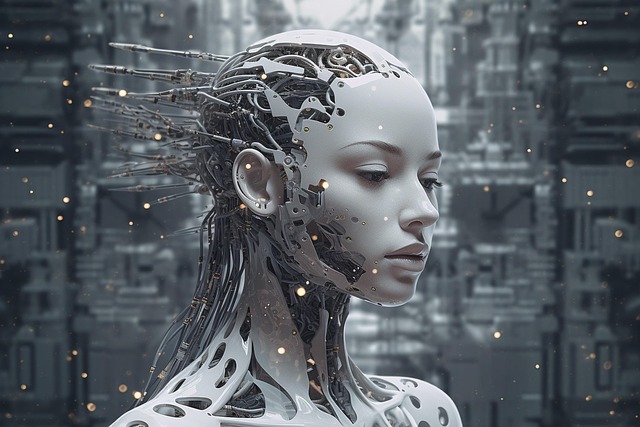
Looking forward, AI will likely become even more integrated into daily life. The key is ensuring this powerful technology develops in ways that benefit humanity while addressing its risks thoughtfully and proactively.