
Air Purifier Comparison: Budget vs Premium Models Performance Review
Air quality has become one of the most critical health concerns in modern living environments. With increasing levels of pollution, allergens, and airborne pathogens, choosing the right air purifier is no longer a luxury but a necessity for maintaining a healthy home. Understanding the differences between budget and premium air purifiers can help you make an informed decision that balances cost with effectiveness.
Understanding the Basics
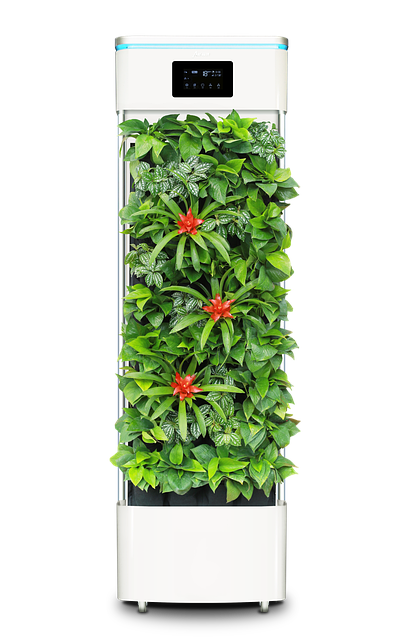
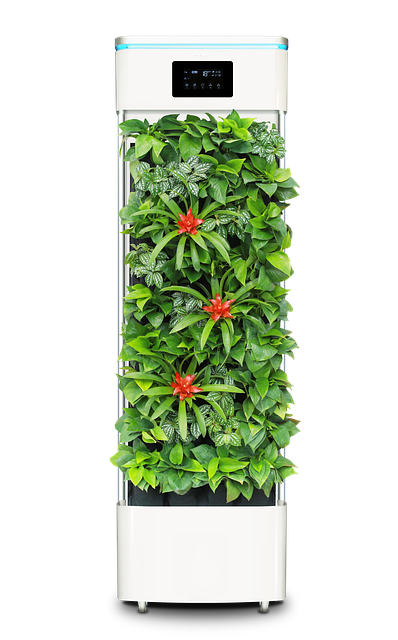
Air purifiers work by drawing contaminated air through a series of filters that trap particles, allergens, and pollutants before recirculating clean air back into your living space. The fundamental technology remains consistent across price points, but the quality of components, filtration efficiency, and additional features create substantial performance gaps between budget and premium models.
Budget air purifiers, typically ranging from $50 to $200, generally employ basic HEPA filters or HEPA-type filters. While these units can remove larger particles like dust and pet dander, they often struggle with smaller particles such as smoke, bacteria, and ultrafine pollution particles. The motors in budget models tend to be less powerful, resulting in lower Clean Air Delivery Rates (CADR) and requiring more time to purify a room effectively. Additionally, these models may produce higher noise levels during operation and have shorter filter lifespans, leading to more frequent replacements.
Premium air purifiers, priced between $300 and $1,000 or more, incorporate True HEPA filters certified to capture 99.97% of particles as small as 0.3 microns. Many premium models feature multi-stage filtration systems that include pre-filters, activated carbon filters for odor removal, and even UV-C light or ionization technology for additional sanitization. These units boast higher CADR ratings, meaning they can clean larger spaces more efficiently. Premium models also typically offer smart features like air quality sensors, automatic mode adjustments, mobile app connectivity, and filter replacement indicators that enhance user convenience and optimize performance.
Key Methods for Evaluation
Step 1: Assess Your Space and Needs
Before comparing models, you must accurately evaluate your specific requirements. Measure the square footage of the room where you’ll use the purifier, as this directly impacts which models will perform effectively. A budget purifier designed for 200 square feet will struggle ineffectively in a 400-square-foot living room, wasting energy while failing to clean the air properly.
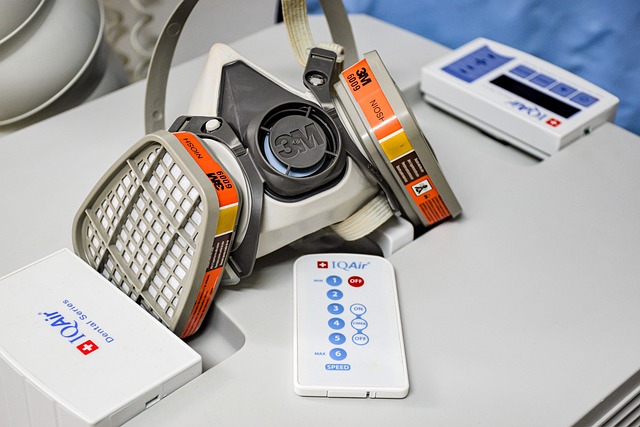
Consider your primary concerns: are you dealing with pet allergies, seasonal pollen, cooking odors, or pollution from nearby traffic? Budget models with basic particle filters may suffice for simple dust control, but if you need comprehensive allergen removal or VOC (Volatile Organic Compound) elimination, premium models with activated carbon and multiple filtration stages become essential. People with respiratory conditions, severe allergies, or compromised immune systems should lean toward premium options that offer medical-grade filtration and consistent performance.
Step 2: Compare Filtration Technology and CADR Ratings
The Clean Air Delivery Rate (CADR) measures how quickly and effectively an air purifier can clean air in a specific room size. Budget models typically offer CADR ratings between 100-150 for smoke, dust, and pollen, which means they can adequately service only small rooms of 150-250 square feet. These units often require 4-6 air changes per hour to maintain clean air, running almost continuously.
Premium models frequently deliver CADR ratings of 250-400 or higher, efficiently handling rooms of 400-800 square feet with ease. The superior motor quality and advanced fan designs in premium units move more air through the filtration system without proportionally increasing noise or energy consumption. When comparing models, look for the specific CADR ratings for smoke (the smallest particle measured), as this indicates the purifier’s ability to handle the most challenging pollutants. A higher CADR for smoke translates to better overall performance across all particle sizes.
Step 3: Evaluate Long-Term Operating Costs
While budget purifiers have attractive initial price points, the total cost of ownership over several years often reveals a different story. Budget models typically use filters that need replacement every 3-6 months at costs of $20-50 per set. Over five years, you might spend $200-400 on filter replacements, nearly doubling or tripling your initial investment. Additionally, budget models often consume more electricity relative to their cleaning capacity due to less efficient motors and the need for continuous operation.

Premium air purifiers, despite higher upfront costs, frequently feature longer-lasting filters that may only require annual replacement, with costs ranging from $50-100 per year. The superior filtration efficiency means these units don’t need to run as frequently or at maximum speed to maintain air quality, reducing electricity consumption. Many premium models include washable pre-filters that extend the life of the main HEPA filter, further reducing long-term costs. When you calculate the five-year total cost including purchase price, filter replacements, and energy consumption, premium models often prove more economical while delivering significantly better performance.
Practical Tips
**Tip 1: Test the Noise Levels Before Committing** – Air purifiers run for extended periods, often throughout the night in bedrooms. Budget models frequently produce 50-60 decibels at maximum speed, comparable to normal conversation levels, which can disrupt sleep and concentration. Visit stores to listen to models running, or check detailed reviews that include decibel measurements at various fan speeds. Premium models often incorporate noise-dampening technology and aerodynamic fan designs that keep sound levels below 30 decibels on low settings, creating whisper-quiet operation suitable for bedrooms and offices. If purchasing online, ensure the return policy allows you to test noise levels in your actual environment, as acoustics vary by room.
**Tip 3: Consider Room-Specific Deployment Strategy** – Rather than purchasing one expensive purifier for your entire home, consider a mixed strategy. Place a premium model in the bedroom where you spend 7-8 hours nightly and air quality directly impacts sleep and respiratory health. Use budget models in less critical spaces like storage rooms or garages where perfect air quality isn’t essential. This approach maximizes health benefits in crucial areas while managing overall costs effectively. Ensure each unit is properly sized for its specific room to avoid running underpowered units that waste energy without delivering results.
**Tip 4: Check Certification and Third-Party Testing** – Budget manufacturers sometimes make exaggerated performance claims without independent verification. Look for units certified by organizations like AHAM (Association of Home Appliance Manufacturers) with verified CADR ratings, or CARB (California Air Resources Board) certification ensuring the unit doesn’t produce harmful ozone as a byproduct. Premium manufacturers typically invest in these certifications and publish detailed performance data. Independent reviews from organizations like Consumer Reports or Wirecutter provide unbiased performance comparisons that cut through marketing hype and reveal actual real-world effectiveness.
**Tip 5: Evaluate Filter Availability and Replacement Process** – A common frustration with budget models comes from discontinued filter production or difficult replacement procedures. Before purchasing, verify that replacement filters are readily available from multiple sources (manufacturer, Amazon, local retailers) and check current pricing. Some budget brands use proprietary filter designs that lock you into expensive manufacturer-only replacements. Premium brands generally maintain filter availability for 5-7 years after discontinuing a model and design filters for tool-free replacement. Read reviews specifically mentioning filter replacement experiences to avoid models with complicated, time-consuming change-out procedures that discourage proper maintenance.
Important Considerations
When selecting between budget and premium air purifiers, avoid the temptation to simply choose the cheapest option without considering the health implications of inadequate air purification. Poor indoor air quality contributes to respiratory problems, allergies, headaches, and long-term health issues. A budget purifier that removes only 85% of particles may seem acceptable, but that remaining 15% includes the smallest, most dangerous particles that penetrate deep into lung tissue. For households with children, elderly members, or anyone with asthma, allergies, or immune system concerns, the superior filtration of premium models represents an investment in health rather than an optional upgrade.
Be cautious of purifiers that generate ozone, sometimes marketed as “ionizers” or “ozone generators.” While these technologies can neutralize odors and some pollutants, ozone is a lung irritant that can worsen respiratory conditions. California has banned ozone-generating air purifiers for good reason. Stick with mechanical filtration systems, whether budget or premium, that physically trap particles without introducing new pollutants into your environment.
Placement significantly impacts performance regardless of price point. Position your purifier with at least 12-18 inches of clearance on all sides to ensure proper air circulation. Avoid placing units in corners, behind furniture, or against walls where airflow becomes restricted. Running even a premium purifier in a poor location dramatically reduces effectiveness and wastes the investment.
Conclusion
The choice between budget and premium air purifiers ultimately depends on your specific circumstances, health needs, and long-term perspective. Budget models serve adequately for mild dust control in small spaces where air quality demands are minimal. They provide entry-level air cleaning for college dorm rooms, small offices, or supplementary coverage in low-priority areas. However, for primary living spaces, bedrooms, or homes with air quality concerns, premium models deliver substantially better performance that justifies the higher initial investment.
When you calculate total cost of ownership including filter replacements and energy consumption over 5-7 years, premium models often cost comparable amounts while delivering superior air cleaning, quieter operation, and enhanced convenience. The health benefits of breathing genuinely clean air—better sleep, reduced allergy symptoms, fewer respiratory issues, and improved overall wellness—create value that transcends simple price comparisons.
Invest in your health intelligently by choosing air purifiers that match your actual needs rather than defaulting to the cheapest available option. Your lungs process over 11,000 liters of air daily; ensuring that air is as clean as possible represents one of the most direct investments you can make in your long-term health and quality of life. Whether you choose budget or premium, prioritize proper sizing, certified performance, and consistent filter maintenance to maximize the effectiveness of whichever model you select.