
Apple Card and JPMorgan Chase: A New Era in Credit Card Banking and Investment Opportunities
The financial technology landscape is undergoing a seismic shift. In one of the most significant developments in the credit card industry, Apple is reportedly transitioning its Apple Card partnership from Goldman Sachs to JPMorgan Chase. This move represents far more than a simple backend change—it signals a fundamental reshaping of how tech giants and traditional banks collaborate, and it opens new doors for consumers seeking to maximize their financial strategies.
Understanding the Apple Card Transition
The Goldman Sachs Era Comes to an End
When Apple launched the Apple Card in 2019, it partnered with Goldman Sachs to create what was marketed as a revolutionary credit card experience. The card promised simplicity, transparency, and integration with Apple’s ecosystem. However, Goldman Sachs’ foray into consumer banking proved challenging. Reports indicated the bank lost billions on its consumer lending initiatives, including the Apple Card partnership.
Goldman Sachs, traditionally an investment banking powerhouse, struggled with the operational demands of running a consumer credit card program. The high costs of customer acquisition, fraud prevention, and regulatory compliance in the consumer space proved more demanding than anticipated.
Why JPMorgan Chase Makes Strategic Sense
JPMorgan Chase represents a dramatically different partner for Apple. As the largest bank in the United States by assets, Chase brings unparalleled expertise in consumer credit cards. The bank already operates some of the most successful credit card programs in the country, including the Chase Sapphire, Freedom, and United co-branded cards.
For Apple, this transition offers several advantages:
– **Operational Excellence**: Chase processes billions of credit card transactions annually with industry-leading fraud detection and customer service infrastructure
– **Scale and Stability**: Unlike Goldman’s experimental consumer division, Chase’s card business is a proven profit center
– **Enhanced Rewards Potential**: Chase’s relationships with merchants and travel partners could unlock new reward categories for Apple Card holders
Investment Implications of the Apple-Chase Partnership
For Apple Shareholders
The partnership with JPMorgan Chase could positively impact Apple’s services revenue segment. The Apple Card generates income through interchange fees, interest charges, and the broader engagement it creates within Apple’s ecosystem. A more efficient banking partner could improve margins on these revenue streams.
Investors should consider:
– **Services Revenue Growth**: Apple’s services segment, which includes Apple Card revenue, has become increasingly important to the company’s valuation
– **Customer Retention**: The Apple Card serves as another touchpoint keeping users within the Apple ecosystem
– **Financial Services Expansion**: This partnership could pave the way for Apple to offer additional financial products
For JPMorgan Chase Investors
Taking over the Apple Card represents a significant customer acquisition opportunity for Chase. Apple’s customer base tends to be affluent, loyal, and engaged—exactly the demographic banks compete fiercely to serve.
Key investment considerations include:
– **Customer Acquisition at Scale**: Access to millions of existing Apple Card holders and potential new customers
– **Cross-Selling Opportunities**: Chase can potentially introduce Apple Card holders to checking accounts, investment products, and loans
– **Technology Integration**: The partnership pushes Chase to enhance its digital capabilities
Passive Income Strategies Using Credit Cards
Maximizing Cash Back Returns
The Apple Card currently offers a straightforward cash back structure:
– 3% back on Apple purchases and select merchants using Apple Pay
– 2% back on all Apple Pay transactions
– 1% back on physical card purchases
To generate meaningful passive income through credit card rewards, consider these strategies:
**Strategy 1: Everyday Spending Optimization**
Route all possible purchases through Apple Pay to capture the 2% rate. Over the course of a year, a household spending $50,000 on credit cards could generate $1,000 in cash back at the 2% rate.
**Strategy 2: Category Stacking**
Combine the Apple Card with other cards that offer higher rewards in specific categories. Use the Apple Card for general Apple Pay purchases while deploying specialized cards for groceries, gas, or dining.
**Strategy 3: Daily Cash Investment**
The Apple Card’s Daily Cash feature deposits rewards immediately into your Apple Cash account. Configure automatic transfers to a high-yield savings account or investment account to put this money to work immediately.
Building a Credit Card Rewards Portfolio
Sophisticated rewards optimizers treat credit cards like an investment portfolio, diversifying across different reward structures:
| Card Category | Purpose | Typical Return |
|—————|———|—————-|
| Apple Card | General Apple Pay spending | 2% |
| Rotating Category Card | Quarterly bonus categories | 5% |
| Flat-Rate Card | Non-category spending | 2% |
| Travel Card | Flights and hotels | 3-5x points |
This approach requires organization but can yield 3-4% average returns on spending versus the 1-1.5% most consumers achieve.
Investment Strategies for the Tech-Finance Convergence
Investing in Financial Technology Disruption
The Apple Card represents the broader trend of technology companies entering financial services. Investors seeking exposure to this theme might consider:
**Direct Stock Investment**
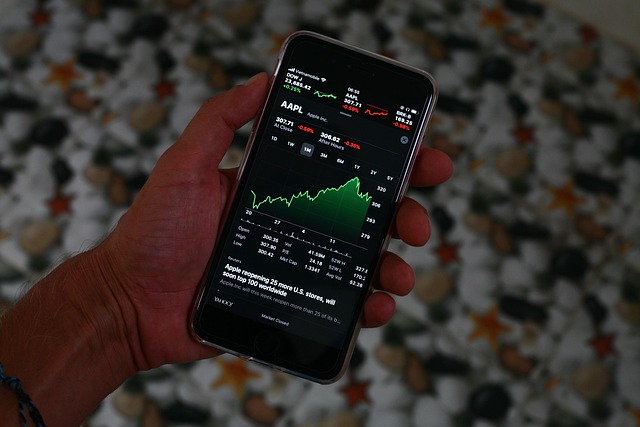
– **Apple (AAPL)**: Benefits from services revenue growth and ecosystem stickiness
– **JPMorgan Chase (JPM)**: The traditional finance giant adapting to technological change
– **Visa/Mastercard (V/MA)**: Payment networks that benefit regardless of which bank issues cards
**ETF Exposure**
Financial technology ETFs provide diversified exposure to companies disrupting traditional banking:
– Global X FinTech ETF (FINX)
– ARK Fintech Innovation ETF (ARKF)
– Amplify Transformational Data Sharing ETF (BLOK)
Creating Passive Income Through Dividend Investing
Both Apple and JPMorgan Chase pay dividends, offering passive income potential:
**Apple Dividend Profile**
– Current yield: Approximately 0.5%
– Consistent dividend growth over the past decade
– Strong free cash flow supporting future increases
**JPMorgan Chase Dividend Profile**
– Current yield: Approximately 2.5%
– One of the strongest dividend records among major banks
– Regular dividend increases when regulatory conditions permit
A balanced portfolio including both stocks provides exposure to technology growth (Apple) and financial sector income (JPM).
The DRIP Strategy
Dividend Reinvestment Plans (DRIPs) allow investors to automatically reinvest dividends into additional shares. Over time, this compounding effect can significantly boost returns:
– **Year 1**: $10,000 invested at 2% yield = $200 in dividends
– **Year 10**: With DRIP and modest growth, position could generate $400+ annually
– **Year 20**: Compounding accelerates, potentially yielding $800+ annually from original investment
Practical Tips for Maximizing the Apple Card
Optimize Your Apple Pay Usage
The 2% cash back rate on Apple Pay transactions makes it essential to use Apple Pay whenever possible:
1. **Add to Apple Wallet**: Ensure your Apple Card is the default payment method
2. **Look for Contactless Terminals**: Most modern payment terminals accept Apple Pay
3. **Use Within Apps**: Many apps accept Apple Pay for in-app purchases at the 2% rate
4. **Online Shopping**: Safari autofill with Apple Pay qualifies for the higher rate
Leverage the 3% Categories
Apple regularly adds new merchants to the 3% cash back tier. Current and recent partners have included:
– Apple Store purchases
– Select gas stations
– Certain grocery chains
– Popular subscription services
Check the Apple Wallet app regularly for new additions to maximize returns.
Manage Your Credit Wisely
The Apple Card’s integration with Apple Wallet provides excellent tools for managing credit:
– **Weekly Spending Summaries**: Review spending patterns to identify optimization opportunities
– **Payment Scheduling**: Set up automatic payments to avoid interest charges
– **Balance Visualization**: The color-coded balance indicator helps maintain awareness of utilization
Keeping credit utilization below 30% helps maintain a strong credit score, which opens doors to better financial products and lower interest rates on loans.
The Future of Tech-Bank Partnerships
What to Expect from Apple-Chase
The transition to JPMorgan Chase could bring several enhancements to the Apple Card:
**Potential New Features**
– Enhanced reward categories leveraging Chase’s merchant relationships
– Integration with Chase’s travel portal for premium redemption options
– Access to Chase’s extensive ATM network
– Improved foreign transaction handling
**Timeline Considerations**
Industry reports suggest the full transition could take 12-18 months as customer accounts are migrated and new systems are integrated.
Broader Industry Implications
The Apple-Chase partnership may accelerate similar arrangements:
– **Google and Banking Partners**: Could follow Apple’s lead with enhanced card offerings
– **Amazon Financial Services**: Already offers credit cards; may seek deeper banking relationships
– **Traditional Banks’ Response**: Expect increased investment in digital capabilities
Building Long-Term Wealth Through Strategic Card Use
The Compound Effect of Rewards
Credit card rewards, while individually small, compound over time when invested wisely:
**Example Scenario**:
– Annual spending: $60,000
– Average cash back rate: 2.5%
– Annual rewards: $1,500
– Invested at 7% annual return over 20 years: Approximately $65,000
This demonstrates how treating credit card rewards as an investment strategy, rather than spending money, can contribute meaningfully to long-term wealth.
Avoiding the Traps
Credit card optimization only works when avoiding common pitfalls:
1. **Never Carry a Balance**: Interest charges typically exceed 20% APR, dwarfing any rewards earned
2. **Avoid Annual Fee Cards You Don’t Maximize**: Ensure rewards earned exceed any annual fees
3. **Don’t Overspend for Rewards**: Only charge purchases you would make anyway
4. **Monitor for Fraud**: Regularly review statements despite the convenience of digital tracking
Conclusion
The Apple Card’s transition from Goldman Sachs to JPMorgan Chase represents a maturation of the tech-finance partnership model. For consumers, this change promises improved service, potentially enhanced rewards, and greater stability in their credit card relationship. For investors, the partnership highlights the continued convergence of technology and financial services—a trend with significant long-term implications.
To maximize the opportunities presented by this evolution:
1. **Optimize your Apple Card usage** by prioritizing Apple Pay transactions and monitoring 3% category additions
2. **Consider investment exposure** to both Apple and JPMorgan Chase as beneficiaries of this partnership
3. **Treat credit card rewards as an investment strategy** by immediately deploying cash back into savings or investment accounts
4. **Stay informed about the transition** as new features and benefits may emerge
The intersection of technology and banking will only deepen in the coming years. Those who understand and leverage these partnerships—both as consumers and investors—will be best positioned to build passive income streams and long-term wealth. The Apple Card, now backed by America’s largest bank, stands as a prime example of how traditional financial products can be reimagined for the digital age while still serving the fundamental goal of helping consumers manage and grow their money.
Whether you’re an Apple Card holder curious about what changes to expect, an investor evaluating the implications for your portfolio, or simply someone interested in optimizing personal finances, this partnership between two of America’s most influential companies deserves close attention. The future of credit cards is being written now, and it’s increasingly clear that the winners will be those who bridge the gap between Silicon Valley innovation and Wall Street’s financial infrastructure.