

Bitcoin ATMs: A Complete Guide to Investment Opportunities and Passive Income Strategies
The cryptocurrency revolution has brought numerous innovations to the financial world, and Bitcoin ATMs stand out as one of the most tangible bridges between digital currencies and everyday consumers. These machines have transformed from novelty items into legitimate business opportunities, offering entrepreneurs and investors multiple pathways to generate passive income. This comprehensive guide explores everything you need to know about Bitcoin ATMs, from understanding their mechanics to leveraging them as investment vehicles.
Understanding Bitcoin ATMs: The Basics
Bitcoin ATMs, also known as BTMs or cryptocurrency kiosks, are physical machines that allow users to buy and sometimes sell Bitcoin and other cryptocurrencies using cash or debit cards. Unlike traditional ATMs connected to banking networks, these machines connect directly to cryptocurrency exchanges and wallet services.
How Bitcoin ATMs Work
The operation of a Bitcoin ATM is straightforward from a user perspective. A customer approaches the machine, selects their desired cryptocurrency, enters the amount they wish to purchase, scans their digital wallet QR code, and inserts cash. The machine then processes the transaction and sends the cryptocurrency directly to the customer’s wallet.
Behind the scenes, the process involves several components. The BTM operator maintains a cryptocurrency reserve or has real-time access to an exchange. When a customer makes a purchase, the operator’s system calculates the current exchange rate, adds a transaction fee, and facilitates the transfer. This entire process typically takes between five and fifteen minutes, depending on blockchain confirmation times.
Types of Bitcoin ATMs
The market offers two primary categories of Bitcoin ATMs. One-way machines only allow purchases, while two-way machines enable both buying and selling cryptocurrencies. Two-way machines command higher prices and generate more revenue but also require more complex regulatory compliance and larger cash reserves.
Entry-level one-way machines can cost between $3,000 and $8,000, while premium two-way models from established manufacturers like Genesis Coin, General Bytes, or BitAccess can range from $8,000 to over $15,000. The choice between machine types depends on your target market, available capital, and regulatory environment.
The Bitcoin ATM Market Landscape

Understanding the current market conditions is essential for anyone considering Bitcoin ATM investment. The industry has experienced remarkable growth over the past decade, evolving from a handful of machines to a global network of tens of thousands of units.
Current Market Statistics
The global Bitcoin ATM market has expanded dramatically. North America dominates the landscape, hosting the majority of installed machines. Major metropolitan areas show the highest concentration, but rural and suburban markets increasingly present untapped opportunities.
Transaction volumes vary significantly by location, with high-traffic urban machines processing hundreds of transactions monthly while machines in smaller markets might see only a few dozen. Average transaction sizes typically range from $200 to $500, though some locations see regular transactions exceeding $1,000.
Regulatory Environment
The regulatory landscape for Bitcoin ATMs varies dramatically by jurisdiction. In the United States, operators must register with FinCEN as Money Services Businesses and comply with the Bank Secrecy Act. Most states require additional money transmitter licenses, with application costs ranging from a few hundred dollars to tens of thousands, depending on the state.
Know Your Customer requirements mandate identity verification for transactions above certain thresholds, typically $300 to $1,000 for enhanced verification. Operators must implement anti-money laundering programs, maintain transaction records, and file suspicious activity reports when necessary.
International operators face even more varied requirements. Some countries embrace cryptocurrency ATMs with minimal regulation, while others have banned them entirely. Always consult with legal experts familiar with your target jurisdiction before launching operations.
Investment Strategies for Bitcoin ATM Operators
Entering the Bitcoin ATM business requires careful planning and strategic decision-making. Several investment approaches exist, each with distinct risk-reward profiles.
Direct Ownership Model
The most common approach involves purchasing machines outright and operating them independently. This model offers maximum profit potential but also requires the largest upfront investment and ongoing operational commitment.
Initial costs for a single-machine operation typically include the machine purchase price, installation costs, initial cryptocurrency float, licensing fees, and working capital. A realistic budget for entering the market starts around $20,000 to $50,000, depending on jurisdiction and machine choice.
Revenue generation depends heavily on location quality and transaction volume. Operators typically charge transaction fees between 8% and 15%, with some high-demand locations commanding even higher premiums. A well-placed machine processing $50,000 in monthly transactions at a 10% fee generates $5,000 in gross revenue.
Franchise and Partnership Models
Several established Bitcoin ATM networks offer franchise or partnership opportunities. These arrangements provide brand recognition, operational support, and streamlined compliance infrastructure in exchange for revenue sharing or franchise fees.
Partnership models can reduce barriers to entry significantly. Some programs allow participants to host machines on their property with minimal capital investment, receiving a percentage of transaction fees. While profit margins are lower than direct ownership, reduced risk and operational burden make this attractive for passive investors.
Investment Funds and Indirect Exposure
For investors seeking exposure without operational involvement, some investment funds focus on Bitcoin ATM companies or related infrastructure. Publicly traded companies in the cryptocurrency ATM space offer stock market access to industry growth. This approach provides liquidity and diversification but removes the hands-on control of direct ownership.
Generating Passive Income with Bitcoin ATMs
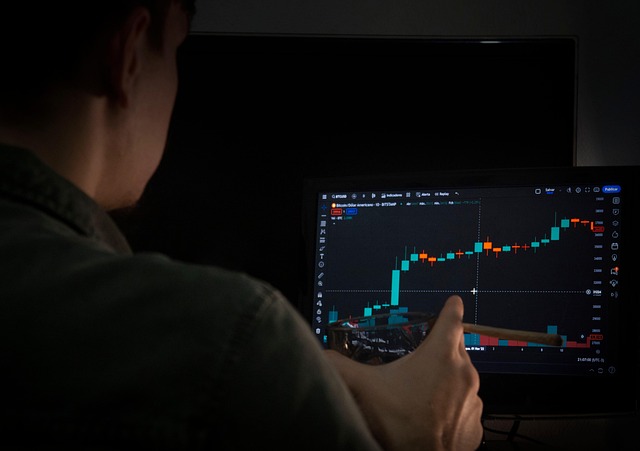
The passive income potential of Bitcoin ATMs attracts many investors, though achieving truly passive returns requires proper systems and partnerships.
Location Strategy and Site Selection
Location quality determines success more than any other factor. High-traffic locations with demographics favorable to cryptocurrency adoption generate the best returns. Convenience stores, gas stations, shopping malls, and transportation hubs typically perform well.
Negotiating favorable rent agreements is crucial for profitability. Monthly rent costs typically range from $200 to $1,000 depending on location quality. Some operators negotiate revenue-sharing arrangements with location partners instead of fixed rent, aligning incentives and reducing fixed costs.
Conduct thorough due diligence on potential locations. Analyze foot traffic patterns, demographic data, competition proximity, and security considerations. The difference between a mediocre and excellent location can mean thousands of dollars in monthly revenue.
Optimizing Operations for Passive Income
Achieving passive income requires building systems that minimize your direct involvement. Several strategies help operators reduce their time commitment while maintaining profitability.
Remote monitoring systems allow operators to track machine status, transaction volumes, and cash levels from anywhere. Modern Bitcoin ATMs include sophisticated software platforms that send alerts for issues requiring attention, from paper jams to connectivity problems.
Establishing relationships with reliable service technicians ensures quick resolution of hardware issues. Many operators contract with local IT service companies for on-call maintenance, paying modest retainer fees for priority service.
Cash management represents one of the most time-consuming aspects of Bitcoin ATM operation. Partnering with armored car services or hiring dedicated cash logistics personnel can transform this into a systematized process requiring minimal owner involvement.
Scaling Your Bitcoin ATM Network
Once you establish profitable operations with initial machines, scaling the network multiplies passive income potential. Each additional machine benefits from existing infrastructure, relationships, and operational expertise.
Successful operators often pursue geographic concentration strategies, placing multiple machines within a defined region. This approach reduces travel time for maintenance, builds brand recognition, and creates operational efficiencies.
Financing options for expansion include traditional business loans, equipment financing, and partnerships with investors. A proven track record with initial machines makes securing growth capital significantly easier.
Risk Management and Mitigation
Bitcoin ATM investment carries inherent risks that prudent operators must address through comprehensive risk management strategies.
Market Risk
Cryptocurrency price volatility affects Bitcoin ATM operators in several ways. Rapid price movements can impact transaction volumes as customers adjust their buying behavior. Operators holding cryptocurrency inventory face direct exposure to price fluctuations.
Hedging strategies can mitigate market risk. Some operators maintain minimal cryptocurrency holdings, immediately converting to fiat currency after transactions. Others implement systematic hedging through futures or options contracts. The appropriate approach depends on your risk tolerance and market outlook.
Operational Risk
Machine malfunctions, connectivity issues, and cash management problems can interrupt revenue and damage customer relationships. Building redundancy into your operations, maintaining adequate spare parts inventory, and establishing relationships with multiple service providers reduces operational risk.
Security concerns require constant attention. Physical security measures protect against theft and vandalism, while cybersecurity protocols guard against digital threats. Insurance coverage specifically designed for cryptocurrency ATM operations provides financial protection against various loss scenarios.
Regulatory Risk
The evolving regulatory landscape presents ongoing challenges. Staying current with regulatory developments, maintaining relationships with compliance experts, and building flexibility into your operations helps navigate regulatory changes.
Some operators diversify geographically to reduce jurisdiction-specific regulatory risk. Operating across multiple states or countries with different regulatory frameworks provides protection against adverse changes in any single jurisdiction.
Tax Considerations and Financial Planning

Bitcoin ATM operations create complex tax situations requiring professional guidance. Transaction fees constitute ordinary business income subject to standard business taxation. Cryptocurrency holdings may generate capital gains or losses depending on market movements and accounting methods.
Maintaining meticulous records of all transactions, cryptocurrency movements, and business expenses is essential. Modern Bitcoin ATM software typically provides detailed reporting capabilities, but operators should implement additional accounting systems to ensure complete documentation.
Consult with tax professionals experienced in both small business taxation and cryptocurrency to develop appropriate strategies. Proper entity structuring can provide liability protection and tax optimization opportunities.
Future Outlook and Industry Trends
The Bitcoin ATM industry continues evolving, with several trends shaping future opportunities.
Technological Advances
Newer machines offer enhanced features including support for additional cryptocurrencies, improved user interfaces, and advanced compliance tools. Biometric verification, including facial recognition and fingerprint scanning, increasingly replaces traditional ID verification methods.
Lightning Network integration promises faster, cheaper transactions for Bitcoin purchases. As Layer 2 solutions mature, Bitcoin ATMs will likely incorporate these technologies, improving user experience and potentially reducing operator costs.
Market Evolution
Institutional adoption of cryptocurrency increases mainstream awareness and acceptance, potentially driving Bitcoin ATM transaction volumes. However, competition from mobile apps and online exchanges may pressure transaction fees downward.
Consolidation trends suggest the industry may see fewer, larger operators dominate over time. Independent operators must focus on service quality, location advantages, or niche markets to compete effectively against well-capitalized competitors.
Practical Tips for Success
Based on industry experience, several practical recommendations increase your probability of success in Bitcoin ATM operations.
Start with thorough research and education before committing capital. Attend industry conferences, join operator forums, and connect with experienced operators willing to share insights. The cryptocurrency ATM community generally welcomes newcomers and freely shares operational knowledge.
Begin with a single machine in an excellent location rather than multiple machines in mediocre spots. Prove your operational capability and location selection skills before scaling. The lessons learned from your first machine will prove invaluable as you expand.
Build relationships with regulators proactively. Demonstrating commitment to compliance and transparency can smooth licensing processes and reduce regulatory friction. Some operators find that regular communication with state regulators builds goodwill that proves valuable when questions arise.
Focus relentlessly on customer experience. Responsive customer service, well-maintained machines, and fair pricing build reputation and repeat business. In a competitive market, customer loyalty provides sustainable advantage.
Conclusion
Bitcoin ATMs represent a compelling intersection of cryptocurrency adoption and traditional entrepreneurship. For investors willing to navigate regulatory complexity and operational challenges, the industry offers genuine passive income potential and exposure to the growing cryptocurrency ecosystem.
Success requires careful location selection, robust operational systems, comprehensive compliance programs, and ongoing adaptation to market changes. The most successful operators combine business acumen with genuine enthusiasm for cryptocurrency adoption, viewing their machines as gateways introducing new users to digital assets.
Whether you pursue direct ownership, partnership arrangements, or indirect investment exposure, thorough due diligence and realistic expectations are essential. The Bitcoin ATM industry rewards patient, diligent operators who build sustainable businesses focused on long-term value creation rather than quick returns.
As cryptocurrency adoption continues expanding globally, Bitcoin ATMs will likely remain important infrastructure connecting traditional finance with digital assets. Investors who establish strong positions today may find themselves well-placed to benefit from this ongoing financial transformation.