
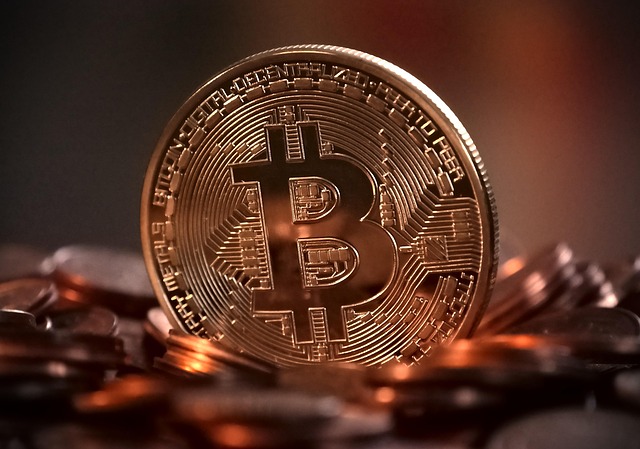
Bitcoin Price: A Comprehensive Guide to Investment and Passive Income Strategies
Bitcoin has transformed from a niche digital experiment into a global financial phenomenon. As the flagship cryptocurrency, its price movements capture headlines, influence markets, and create opportunities for investors seeking both capital appreciation and passive income. This guide explores Bitcoin’s price dynamics and practical strategies for building wealth through cryptocurrency investment.
Understanding Bitcoin Price Fundamentals
What Drives Bitcoin’s Price?
Bitcoin’s price is determined by supply and demand dynamics in a global, 24/7 marketplace. Unlike traditional assets, Bitcoin operates without central bank intervention or corporate earnings reports. Several key factors influence its valuation:
**Supply Mechanics**: Bitcoin has a fixed maximum supply of 21 million coins. Approximately 19.5 million have already been mined, creating inherent scarcity. The halving event, occurring roughly every four years, cuts the rate of new Bitcoin creation in half. This programmed scarcity historically correlates with significant price appreciation in the months following each halving.
**Institutional Adoption**: The entry of major financial institutions, corporations, and investment funds into the Bitcoin market has added legitimacy and liquidity. Companies holding Bitcoin on their balance sheets and the approval of Bitcoin ETFs have opened doors for traditional investors to gain exposure.
**Macroeconomic Conditions**: Bitcoin increasingly responds to broader economic factors including inflation rates, interest rate policies, and currency devaluation concerns. Many investors view Bitcoin as a hedge against monetary expansion and economic uncertainty.
**Regulatory Environment**: Government policies regarding cryptocurrency taxation, trading, and usage significantly impact market sentiment. Favorable regulations tend to boost prices, while restrictive measures can trigger sell-offs.
**Market Sentiment and Media Coverage**: As a relatively young asset class, Bitcoin remains susceptible to news cycles, social media trends, and influential voices in the investment community.
Historical Price Performance
Bitcoin’s price history demonstrates remarkable volatility alongside extraordinary long-term growth. From trading at fractions of a cent in 2009 to reaching all-time highs above $100,000, Bitcoin has delivered returns that dwarf traditional asset classes over extended timeframes.
However, this growth has not been linear. Bitcoin has experienced multiple corrections exceeding 50%, bear markets lasting over a year, and rapid recoveries that surprised even optimistic analysts. Understanding this volatility is essential for developing appropriate investment strategies.
Investment Strategies for Bitcoin
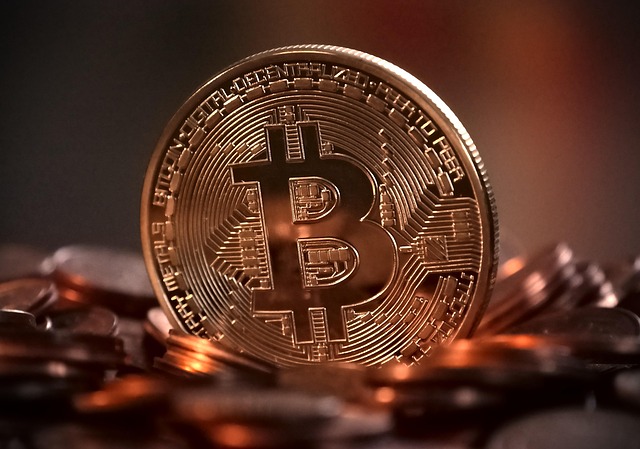
Dollar-Cost Averaging (DCA)
Dollar-cost averaging remains one of the most effective strategies for Bitcoin investment, particularly for those who find timing the market challenging or stressful. This approach involves investing a fixed amount at regular intervals regardless of price.
**How to Implement DCA**:
– Determine a fixed investment amount you can consistently afford
– Choose your investment frequency (weekly, bi-weekly, or monthly)
– Set up automatic purchases through a reputable exchange
– Maintain discipline regardless of market conditions
**Benefits of DCA**:
– Removes emotional decision-making from the investment process
– Reduces the impact of short-term volatility
– Creates a habit of consistent wealth building
– Eliminates the stress of trying to time market bottoms
For example, an investor who committed $100 weekly to Bitcoin over the past five years would have accumulated significant holdings at an average cost substantially below current prices, despite purchasing during both peaks and troughs.
Lump Sum Investment
For investors with capital available and strong conviction in Bitcoin’s long-term trajectory, lump sum investment involves deploying funds immediately rather than spreading purchases over time.
**When Lump Sum Makes Sense**:
– During significant market corrections when prices appear undervalued
– When you have a long investment horizon and can weather volatility
– If you have conducted thorough research and developed strong conviction
– When opportunity cost of holding cash exceeds perceived timing risk
Research on traditional markets suggests that lump sum investing outperforms DCA approximately two-thirds of the time over extended periods, as markets tend to rise more often than they fall. However, the psychological comfort of DCA may outweigh marginal performance differences for many investors.
Strategic Accumulation During Bear Markets
Experienced Bitcoin investors often view bear markets as accumulation opportunities rather than disasters. Prices during extended downturns have historically provided excellent entry points for patient investors.
**Bear Market Strategy Tips**:
– Increase your DCA amount when prices fall significantly below all-time highs
– Establish target prices at which you will make additional purchases
– Maintain cash reserves specifically for deployment during market downturns
– Focus on accumulating Bitcoin rather than watching portfolio values
Portfolio Allocation Considerations
Determining the appropriate Bitcoin allocation depends on individual circumstances including risk tolerance, investment timeline, and overall financial situation.
**Conservative Approach (1-5% of portfolio)**: Suitable for investors seeking limited cryptocurrency exposure while maintaining a traditional portfolio structure. This allocation provides upside participation while limiting downside risk to overall net worth.
**Moderate Approach (5-15% of portfolio)**: Appropriate for investors with higher risk tolerance and longer time horizons who believe in Bitcoin’s long-term value proposition but want to maintain diversification.
**Aggressive Approach (15%+ of portfolio)**: Reserved for investors with strong conviction, ability to withstand significant volatility, and financial circumstances that allow for higher risk exposure.
Passive Income Strategies with Bitcoin
Bitcoin Lending Platforms
Several platforms allow Bitcoin holders to earn interest by lending their holdings to borrowers. This creates passive income while maintaining Bitcoin exposure.
**Key Considerations for Lending**:
– Counterparty risk is significant; choose platforms carefully
– Interest rates vary based on market conditions and platform
– Some platforms offer insurance or collateralization features
– Regulatory status of lending platforms varies by jurisdiction
**Risk Assessment**: The collapse of several major lending platforms in recent years highlights the importance of thorough due diligence. Never lend more Bitcoin than you can afford to lose, and consider spreading holdings across multiple platforms to reduce concentration risk.
Bitcoin Mining
While increasingly competitive and capital-intensive, Bitcoin mining remains a method for generating ongoing Bitcoin income.
**Home Mining Considerations**:
– Electricity costs significantly impact profitability
– Equipment requires substantial upfront investment
– Mining difficulty continuously adjusts, affecting returns
– Heat generation and noise may be concerns for residential settings
**Cloud Mining and Mining Pools**: These alternatives allow participation in mining without hardware ownership. However, scams are prevalent in this space, requiring careful vetting of any service provider.
Wrapped Bitcoin in DeFi
For those comfortable with decentralized finance, wrapped Bitcoin (WBTC) can be used across various Ethereum-based protocols to generate yield.
**DeFi Yield Strategies**:
– Providing liquidity to decentralized exchanges
– Participating in lending protocols
– Yield farming across multiple platforms
**Important Warnings**: DeFi involves smart contract risk, potential for protocol exploits, and complexity that may not suit all investors. Thoroughly research any protocol before depositing funds and start with small amounts to understand the mechanics.
Bitcoin Dividend Stocks
Publicly traded companies with significant Bitcoin holdings or Bitcoin-focused business models offer indirect exposure with potential dividend income.
**Types of Bitcoin-Related Stocks**:
– Bitcoin mining companies
– Cryptocurrency exchanges
– Companies holding Bitcoin on balance sheets
– Blockchain technology firms
This approach provides regulated investment vehicles with potential dividend payments while maintaining correlation to Bitcoin price movements.
Risk Management Strategies

Security Best Practices
Protecting your Bitcoin holdings is paramount. Security breaches can result in permanent, irreversible loss.
**Essential Security Measures**:
– Use hardware wallets for significant holdings
– Enable two-factor authentication on all accounts
– Never share private keys or seed phrases
– Use unique, strong passwords for each platform
– Consider multi-signature wallets for large amounts
– Maintain secure, redundant backups of recovery information
Position Sizing and Diversification
Never invest more in Bitcoin than you can afford to lose entirely. Despite its track record, Bitcoin remains a speculative asset with regulatory, technological, and market risks.
**Diversification Approaches**:
– Maintain traditional investments alongside cryptocurrency
– Consider multiple cryptocurrencies if expanding beyond Bitcoin
– Keep emergency funds in stable, accessible forms
– Balance speculative and conservative holdings
Tax Planning
Bitcoin transactions often trigger taxable events. Proper planning and record-keeping are essential.
**Tax Considerations**:
– Capital gains taxes apply to profitable sales in most jurisdictions
– Holding periods may affect tax rates
– Mining and lending income may be taxed as ordinary income
– Keep detailed records of all transactions
– Consider consulting with a cryptocurrency-knowledgeable tax professional
Practical Tips for Bitcoin Investors
Choosing an Exchange
Select reputable exchanges with strong security track records, appropriate regulatory compliance, and reasonable fees. Consider factors including:
– Insurance coverage for held assets
– Geographic availability and supported payment methods
– Trading fees and withdrawal costs
– User interface and mobile app quality
– Customer support responsiveness
Developing a Long-Term Mindset
Bitcoin’s volatility can trigger emotional responses that lead to poor decisions. Developing a long-term perspective helps maintain discipline during market extremes.
**Mindset Strategies**:
– Define your investment thesis and review it during volatile periods
– Set price alerts rather than constantly checking prices
– Join communities of like-minded investors for perspective
– Study Bitcoin’s history to contextualize current movements
– Focus on accumulation rather than short-term price action
Staying Informed Without Overreacting
The cryptocurrency space generates constant news, much of which is noise rather than signal. Develop information consumption habits that keep you informed without driving impulsive decisions.
**Recommended Approach**:
– Follow a curated list of credible sources
– Distinguish between news and opinion
– Wait 24-48 hours before acting on breaking news
– Focus on fundamental developments rather than price predictions
– Be skeptical of extreme forecasts in either direction
Avoiding Common Mistakes
New Bitcoin investors frequently make preventable errors that impact their returns and security.
**Mistakes to Avoid**:
– Investing based on fear of missing out (FOMO)
– Panic selling during market corrections
– Keeping large amounts on exchanges
– Neglecting security practices
– Over-leveraging or using borrowed money
– Following social media tips without research
– Attempting to time the market perfectly
The Future of Bitcoin Price

While no one can predict Bitcoin’s future price with certainty, several factors suggest continued relevance and potential appreciation:
**Increasing Institutional Infrastructure**: ETFs, custody solutions, and regulatory clarity continue improving access for institutional investors.
**Monetary Policy Environment**: Continued currency debasement concerns may drive demand for hard-money alternatives.
**Technological Development**: Lightning Network and other scaling solutions expand Bitcoin’s utility for everyday transactions.
**Generational Wealth Transfer**: Younger generations show higher cryptocurrency adoption rates, suggesting demographic tailwinds.
**Network Effects**: Bitcoin’s first-mover advantage and brand recognition create powerful network effects that resist displacement.
However, risks remain including regulatory crackdowns, technological obsolescence, environmental concerns, and competition from both cryptocurrencies and central bank digital currencies.
Conclusion
Bitcoin offers unique opportunities for both capital appreciation and passive income generation. Success requires understanding price drivers, implementing appropriate strategies, managing risks effectively, and maintaining a long-term perspective.
For those new to Bitcoin investment, starting with dollar-cost averaging into a secure storage solution provides an accessible entry point. As knowledge and comfort increase, investors can explore more sophisticated strategies including lending, DeFi participation, and strategic accumulation during market corrections.
The key principles for Bitcoin investment success include: investing only what you can afford to lose, prioritizing security, maintaining discipline during volatility, continuously educating yourself, and aligning your strategy with your personal financial situation and goals.
Whether Bitcoin becomes a globally adopted reserve asset or remains a speculative investment, the strategies outlined in this guide provide frameworks for participating in this market thoughtfully and strategically. The most successful Bitcoin investors combine patience, discipline, and ongoing education to navigate this dynamic and potentially rewarding asset class.