
Chernobyl Disaster: Causes, Timeline & Lasting Impact
Chernobyl is an important subject that many people are interested in learning about.
Understanding the Basics
The Chernobyl disaster occurred on April 26, 1986, at the Chernobyl Nuclear Power Plant in the Ukrainian Soviet Socialist Republic. It remains the worst nuclear power plant accident in history, both in terms of cost and casualties. The disaster happened during a safety test on Reactor No. 4, which was designed to determine how long the turbines would spin and supply power to the main circulating pumps following a loss of electrical power.
The RBMK-1000 reactor type used at Chernobyl had fundamental design flaws that contributed to the catastrophe. Unlike Western reactors, the RBMK design used graphite as a neutron moderator and had a positive void coefficient, meaning that as water turned to steam, the nuclear reaction would actually accelerate rather than slow down. This characteristic made the reactor inherently unstable under certain conditions.
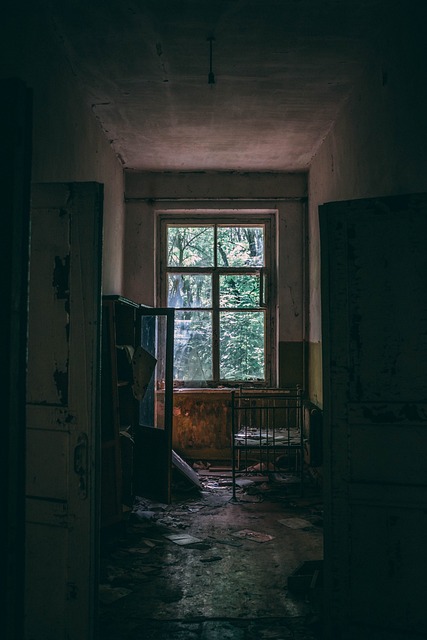
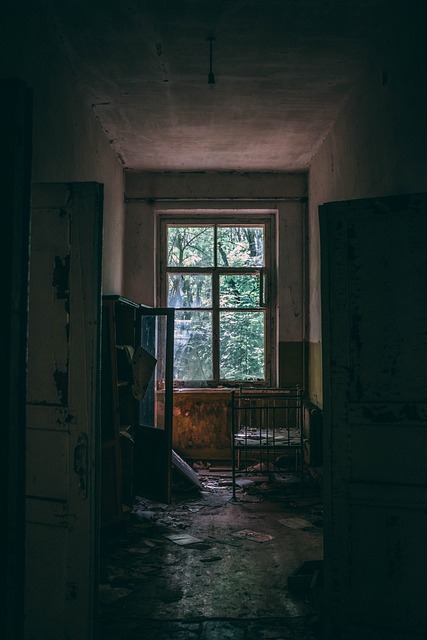
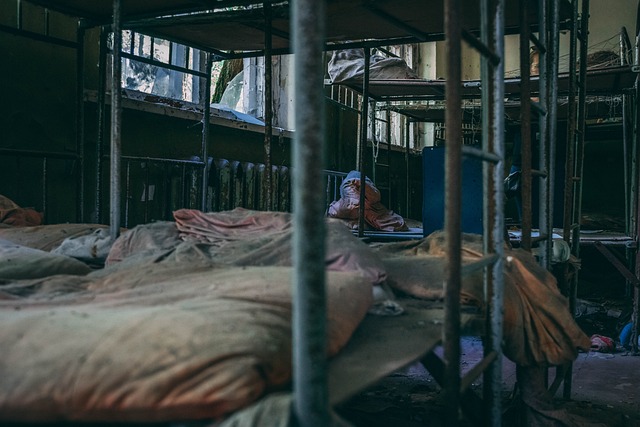
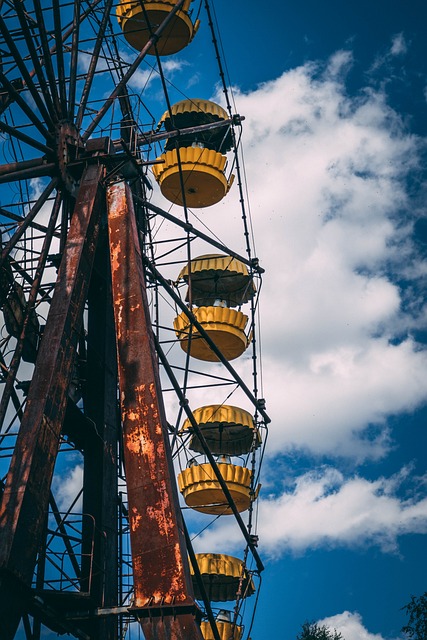
The power plant was located near the city of Pripyat, which had a population of approximately 49,000 people at the time. The city was built specifically to house the power plant workers and their families. Today, Pripyat stands as a haunting ghost town, frozen in time from the day of evacuation. The exclusion zone around Chernobyl covers approximately 2,600 square kilometers and remains largely uninhabited to this day.

The radioactive contamination spread across large parts of the western Soviet Union and Europe. Countries as far away as Sweden first detected the radiation, which ultimately led to the Soviet Union acknowledging the disaster to the international community. The amount of radioactive material released was estimated to be 400 times greater than the atomic bomb dropped on Hiroshima.
Key Methods
Step 1: Understanding the Chain of Events
The disaster began during an overnight safety test that was poorly planned and executed. The test was meant to simulate a power outage scenario to see if the spinning turbines could produce enough electricity to keep coolant pumps running until the emergency diesel generators kicked in. However, the test was delayed by approximately 10 hours due to power grid demands, meaning the day shift operators who were familiar with the test procedures had gone home.
The night shift operators proceeded with the test despite being inadequately prepared. They disabled several safety systems, including the emergency core cooling system, which would have prevented the disaster. The operators also reduced the reactor’s power output too quickly, causing a buildup of xenon-135, a neutron-absorbing fission product that made the reactor difficult to control.
To compensate for the xenon poisoning, operators withdrew too many control rods from the reactor core, leaving it in an extremely unstable state. When the test began and the turbines were allowed to run down, the reduced cooling water flow caused steam to form in the reactor. Due to the positive void coefficient, this caused the power output to spike uncontrollably.
Step 2: The Explosion and Immediate Aftermath
At 1:23 AM on April 26, 1986, the reactor power surged to approximately 100 times its normal level in just a few seconds. The emergency shutdown button (AZ-5) was pressed, but due to a design flaw, the control rods initially caused a further power spike before beginning to absorb neutrons. This led to a steam explosion that blew the 1,000-ton reactor lid off the building.
A second explosion occurred seconds later, believed to be either a steam explosion or a small nuclear excursion. The explosions exposed the reactor core to the atmosphere and started numerous fires, including a graphite fire that burned for 10 days. First responders, including firefighters from the nearby towns, arrived on the scene without proper protective equipment, many receiving lethal doses of radiation.
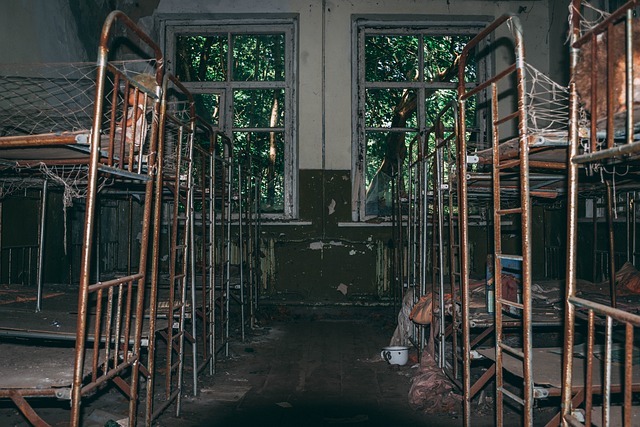
The Soviet government initially attempted to minimize the severity of the accident. Evacuation of Pripyat did not begin until 36 hours after the explosion, during which time residents continued their daily lives unaware of the danger. When evacuation finally occurred, residents were told it would be temporary, so they left most of their belongings behind.
Step 3: Long-term Containment and Cleanup
The cleanup operation, known as liquidation, involved approximately 600,000 workers called “liquidators.” These individuals worked in shifts to minimize radiation exposure, though many still received dangerous doses. Their tasks included clearing radioactive debris, building the initial concrete sarcophagus, and decontaminating surrounding areas.
The original sarcophagus, hastily constructed in 1986, was designed to last only 20-30 years. By the 2000s, it was showing significant deterioration and posed a risk of collapse. The New Safe Confinement, completed in 2016, is a massive arch-shaped structure that was constructed nearby and slid into place over the old sarcophagus. This new structure is designed to last 100 years and allows for the eventual dismantling of the original reactor.
Inside the ruins, a substance called “corium” or the “Elephant’s Foot” formed when nuclear fuel melted through the reactor floor and mixed with concrete and other materials. This mass remains highly radioactive and is one of the most dangerous materials on Earth. Remote monitoring and robotic systems are used to study it without exposing humans to lethal radiation levels.
Practical Tips
**Tip 1: Learning from History**
Understanding the Chernobyl disaster is crucial for anyone interested in nuclear safety, energy policy, or disaster preparedness. The incident revealed how bureaucratic failures, inadequate safety culture, and poor communication can combine to create catastrophic outcomes. When studying historical disasters, focus not just on the technical failures but also on the human and organizational factors that contributed to them. This holistic approach provides valuable lessons applicable to many fields beyond nuclear energy.
**Tip 2: Understanding Radiation Exposure**
If you ever visit the Chernobyl exclusion zone or other areas with elevated radiation, understand how radiation exposure works. Time, distance, and shielding are your three main protections. Minimize your time in high-radiation areas, maintain maximum possible distance from radioactive sources, and use appropriate shielding when available. Modern tour operators provide dosimeters to monitor exposure, and following guide instructions is essential for safety.
**Tip 3: Recognizing Misinformation**
The Chernobyl disaster has been subject to numerous myths and exaggerations over the years. When researching the topic, rely on peer-reviewed scientific sources, official reports from organizations like the IAEA and WHO, and reputable documentaries. Be skeptical of sensationalized claims about death tolls or radiation effects. The actual confirmed death toll from acute radiation syndrome was 28 people, though long-term cancer deaths are much harder to quantify and estimates vary widely.
**Tip 4: Appreciating Modern Safety Standards**
Today’s nuclear power plants incorporate lessons learned from Chernobyl and other incidents. Modern reactor designs include passive safety features that don’t require operator intervention or external power to function. When evaluating nuclear energy as part of the energy mix, understand that the RBMK design used at Chernobyl was uniquely dangerous and is no longer being built. Current safety standards and regulatory oversight have improved dramatically since 1986.
**Tip 5: Understanding Environmental Recovery**
Despite the devastation, the Chernobyl exclusion zone has become an unintended wildlife sanctuary. Without human habitation, populations of wolves, wild boar, deer, and even European bison have flourished. This doesn’t mean radiation is harmless—animals show elevated mutation rates and shorter lifespans in some studies—but it demonstrates nature’s resilience. When studying contaminated sites, consider both the harmful effects of radiation and the complex ways ecosystems respond to human absence.
Important Considerations
When learning about or discussing the Chernobyl disaster, several important considerations should be kept in mind. First, respect for the victims and survivors is paramount. Many liquidators and first responders sacrificed their health and lives to contain the disaster. Their bravery prevented an even greater catastrophe but came at tremendous personal cost.
The health effects of Chernobyl continue to be debated among scientists. While acute radiation deaths are well-documented, the long-term cancer risk to the broader population is harder to quantify due to the difficulty of distinguishing radiation-induced cancers from those caused by other factors. Thyroid cancer in children who consumed contaminated milk showed a clear increase, but other health effects remain contentious.
Political and economic factors also played significant roles in both the disaster and its aftermath. The Soviet system’s emphasis on meeting production targets and suppressing negative information contributed to the conditions that allowed the accident to happen. The economic cost of the disaster, estimated at hundreds of billions of dollars, contributed to the eventual collapse of the Soviet Union.
Conclusion
The Chernobyl disaster stands as one of the most significant technological catastrophes in human history. It reshaped global attitudes toward nuclear power, transformed international nuclear safety standards, and left an indelible mark on the lives of millions of people in Ukraine, Belarus, and beyond.
The ongoing recovery efforts, the wildlife returning to the exclusion zone, and the construction of the New Safe Confinement demonstrate both the lasting impact of the disaster and humanity’s capacity to learn and adapt. As we face current challenges including climate change and energy security, the story of Chernobyl reminds us of the importance of safety culture, transparent communication, and learning from past mistakes.
For those seeking to learn more, numerous books, documentaries, and academic studies provide detailed examinations of the disaster. Visiting the exclusion zone, while requiring careful planning, offers a powerful firsthand experience of this pivotal moment in history.