
Chongqing China Travel Guide: 22nd Floor City Experience
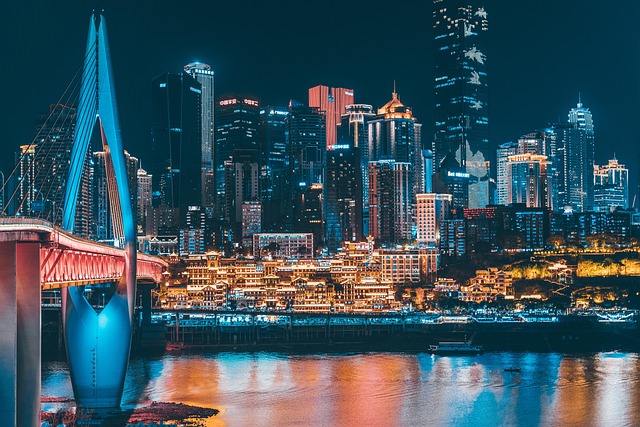
Chongqing is an extraordinary metropolis that defies conventional urban planning and challenges everything you thought you knew about cities. This sprawling megacity in southwestern China, built across mountains and valleys where the Yangtze and Jialing rivers meet, has earned its nickname as the “Mountain City” and the “City of Fog.” With over 30 million people in its administrative area, Chongqing is one of China’s four direct-controlled municipalities and represents a fascinating blend of ancient culture, rapid modernization, and some of the most mind-bending architecture you’ll encounter anywhere in the world. The city’s unique topography creates situations where the 22nd floor of a building can have a street-level entrance, subway stations emerge on the 6th floor of buildings, and highways pass through residential complexes. This vertical city experience is unlike anything else on Earth, making Chongqing an essential destination for travelers seeking authentic, unexpected urban adventures that will completely reshape their understanding of what a city can be.
Understanding the Basics
Chongqing’s geography is the key to understanding its crazy urban layout. Built on steep hills and mountains, the city has no choice but to embrace vertical construction in ways that seem to defy logic. The most famous example is the Liziba Station, where the Chongqing Rail Transit Line 2 passes directly through a 19-story residential building. Residents live above and below the tracks, which are remarkably quiet thanks to advanced noise reduction technology. This isn’t a tourist attraction that was built for show—it’s genuine problem-solving architecture born from necessity.
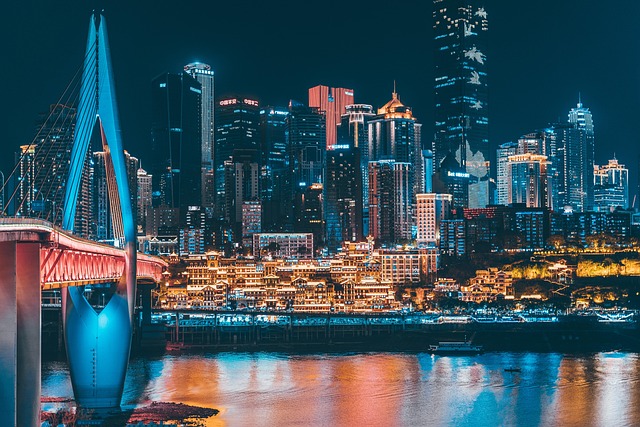
The climate in Chongqing is subtropical and humid, earning it a place among China’s “Three Furnaces” due to oppressive summer heat and humidity. Winters are mild but damp and foggy, which historically helped protect the city during WWII when it served as China’s wartime capital. The fog made it difficult for Japanese bombers to locate targets. Today, that same fog creates an atmospheric backdrop for the city’s neon-lit nights and towering skyscrapers.
The food culture is another essential basic to understand. Chongqing is the birthplace of authentic hotpot, which is significantly spicier and more numbing than versions found elsewhere. The Sichuan peppercorns create a distinctive “málà” (numbing-spicy) sensation that defines the local cuisine. Street food is everywhere, and the city comes alive at night when temperatures cool and locals flood outdoor restaurants and food markets.
Key Methods
Step 1: Navigate the Vertical City Infrastructure
Understanding Chongqing’s multi-level street system is crucial for any visitor. Unlike flat cities where you can simply walk from point A to point B, Chongqing requires vertical thinking. Start by downloading a Chinese navigation app like Baidu Maps or Amap, as they better understand the local geography than Western alternatives. When planning routes, always check which “level” your destination is on. A restaurant might have a street address on the 8th floor because that floor opens onto a road built into the mountainside.
The Hongya Cave complex perfectly illustrates this concept. From the riverside, it appears to be an 11-story building, but from the clifftop entrance, you walk in at what seems like ground level. Both are correct. The building cascades down the cliff face, with each level accessible from different streets at different elevations. This same principle applies throughout the city. The Raffles City shopping complex has entrances on multiple floors, each connecting to different streets and metro stations.
Public transportation embraces this verticality. The Yangtze River cable car provides not just transportation but spectacular views as it crosses the river high above the water. The outdoor escalators and hillside elevators are integrated into the public transit system, allowing residents to traverse steep slopes without exhausting climbs. The most famous is the Crown Escalator, one of Asia’s longest outdoor escalators, which locals use for daily commutes while tourists snap photos of the cyberpunk-like industrial aesthetic.
Step 2: Experience Authentic Local Life
To truly understand Chongqing beyond tourist attractions, immerse yourself in neighborhood life. The older districts like Ciqikou Ancient Town preserve traditional architecture and culture, but the real authentic experience comes from exploring residential areas where multi-generation families still practice traditional customs despite living in modern high-rises.
Visit a local wet market early in the morning to see the incredible variety of ingredients that go into Chongqing cuisine. You’ll find live fish, fresh river snails, exotic vegetables, and mountains of chilies and Sichuan peppercorns. The chaotic energy, shouting vendors, and sensory overload provide insight into daily life that tourist areas can’t match. Follow locals to their favorite breakfast spots for xiaomian (small noodles), a spicy noodle dish that Chongqing residents eat almost daily.
Join the locals at public spaces like Eling Park, where elderly residents practice tai chi, play traditional instruments, and engage in the unique Chongqing practice of “singing red songs” from the revolutionary era. The riverside paths along both the Yangtze and Jialing rivers come alive in evenings when the heat subsides, with families strolling, friends gathering, and street performers entertaining crowds. This is where you’ll see the real Chongqing—resilient, community-oriented, and proud of their distinctive culture.
Step 3: Master the Hotpot Experience
Chongqing hotpot isn’t just food; it’s a social ritual and cultural institution that requires proper technique. First, choose between traditional老hotpot restaurants frequented by locals or modern chains with English menus. Authentic experiences like Zhu’s Fatty Hotpot or Dezhuang require you to embrace the full sensory assault—intense spice levels, crowded conditions, and overwhelming heat.
The pot itself is divided into sections, with the red oil-based spicy broth being the authentic Chongqing style. Order a variety of ingredients: thinly sliced meat (beef and lamb are popular), fresh vegetables, mushrooms, tofu products, and offal items like duck intestines and beef tripe if you’re adventurous. The key technique is timing—different ingredients require different cooking durations. Leafy vegetables take seconds, while tougher items need several minutes.
Create your personal dipping sauce from the condiment station. The traditional Chongqing combination is sesame oil with garlic and cilantro, which helps cool the spice and add flavor. Don’t fill up on rice or other starches too quickly—pace yourself to enjoy the full variety of ingredients. Expect the meal to last 2-3 hours as this is a social experience. The spice level will seem overwhelming at first, but the numbing sensation from Sichuan peppercorns actually provides relief. Have plenty of beverages ready, though locals will tell you that cold beer or soy milk work better than water for combating the heat.
Practical Tips
**Tip 1: Prepare for Extreme Weather Conditions** – Chongqing’s climate can be brutal, especially during summer months (June-August) when temperatures regularly exceed 40°C (104°F) with crushing humidity. The heat radiates from concrete and buildings, creating an urban heat island effect that makes the city feel like a sauna. Pack lightweight, breathable clothing and always carry water. Shopping malls and metro stations become refuges where locals escape the heat. Winter months (December-February) are much more comfortable temperature-wise but come with persistent fog and drizzle that can limit visibility and create a gloomy atmosphere. Bring layers and rain gear. The shoulder seasons of spring (March-May) and autumn (September-November) offer the most pleasant weather for exploration, with moderate temperatures and occasional clear days that showcase the city’s dramatic skyline and mountain views.
**Tip 2: Language Preparation is Essential** – English is not widely spoken in Chongqing compared to Beijing or Shanghai, and the local dialect differs significantly from standard Mandarin. Download translation apps like Pleco or Google Translate with offline capabilities before arriving. Learn basic phrases in Mandarin, though locals may respond in the distinctive Chongqing dialect that can be difficult even for Mandarin speakers to understand. Restaurant menus rarely have English translations outside of high-end hotels, so photo translation features become invaluable. Consider booking a local guide for at least one day to help navigate language barriers and provide cultural context that enriches the experience far beyond what you could discover independently. Many younger people have basic English skills and are often eager to practice, so don’t hesitate to approach students or young professionals if you need assistance.
**Tip 3: Cash and Payment Methods** – China operates predominantly on mobile payment platforms WeChat Pay and Alipay, and Chongqing is no exception. Many small vendors, street food stalls, and even some metro stations don’t accept cash or foreign credit cards. International visitors face challenges setting up these payment systems, though recent changes have made it easier for tourists to link foreign cards to these apps. Bring enough Chinese yuan in cash as a backup, but be prepared for vendors who may not have change for large bills. Bank of China and ICBC ATMs are reliable for withdrawals. Hotel concierges can often help set up payment apps or provide assistance with transactions. The disconnect between China’s cashless society and foreign tourists’ inability to easily access these systems remains a significant practical challenge that requires advance planning.
**Tip 4: Air Quality and Health Considerations** – As a major industrial city, Chongqing experiences periodic air quality issues, though improvements have been made in recent years. Check daily AQI (Air Quality Index) readings and consider wearing a mask on days with poor air quality, especially if you have respiratory sensitivities. The extremely spicy local cuisine can cause digestive distress for those unaccustomed to such heat levels—start with milder options and gradually increase spice tolerance. The combination of heat, humidity, and intense walking through the hilly city can be physically demanding. Stay hydrated, take breaks in air-conditioned spaces, and don’t try to see everything in one exhausting marathon. Pharmacies are abundant and generally well-stocked with both Western and traditional Chinese medicines. Bring familiar medications for common issues like upset stomach, headaches, and allergies, as finding specific brands can be challenging despite the availability of alternatives.
**Tip 5: Photography and Social Media Access** – Chongqing’s dramatic architecture and neon-lit nights create extraordinary photo opportunities, especially from vantage points like Eling Park, Nanshan Mountain, or the Jialing River cable car. The best lighting occurs during blue hour just after sunset when the city’s lights illuminate but natural light remains. Be aware that many Western social media platforms and apps are blocked in China, including Instagram, Facebook, YouTube, and Google services. Install a reliable VPN before arriving, as downloading one within China is difficult. Test your VPN with multiple server locations to find ones that work consistently. Battery consumption increases significantly when using VPN services and translation apps constantly, so carry portable chargers. The photogenic subway-through-building at Liziba Station is best photographed from the street level across from the building, where you can capture trains emerging from the structure—arrive during rush hour for frequent trains.
Important Considerations
Safety in Chongqing is generally excellent, with violent crime rare and the city being quite safe for solo travelers including women. However, the chaotic traffic, especially involving electric scooters and bikes that often ignore traffic signals, requires constant vigilance when crossing streets. The steep terrain creates additional hazards—stairs can be slippery when wet from fog or rain, and the physical demands of constant climbing can lead to exhaustion and accidents. Pace yourself and use the elevators and escalators that locals rely on.
Scams targeting tourists are less common than in more touristy Chinese cities, but remain alert for overcharging at markets, counterfeit goods, and unlicensed taxis. Use official taxi apps like Didi (Chinese Uber equivalent) or clearly marked licensed taxis. Agree on prices before entering unlicensed vehicles. At markets and street stalls, prices are often negotiable, though aggressive haggling is less culturally acceptable than respectful discussion.
Cultural sensitivity matters despite Chongqing’s rapid modernization. Dress modestly when visiting temples or traditional areas. Remove shoes when entering homes or certain traditional restaurants. Avoid pointing with single fingers or touching people’s heads. Tipping is not customary and can cause confusion. Public displays of affection beyond hand-holding are uncommon and may attract stares. Smoking remains prevalent, especially among older men, and designated non-smoking areas aren’t always respected.
The political environment requires awareness—avoid discussing sensitive political topics including Tibet, Xinjiang, Taiwan, Hong Kong protests, or criticism of the government or Chinese Communist Party, especially in public spaces or on Chinese social media platforms. Such discussions can have serious consequences. Photography restrictions exist near military installations, government buildings, and sometimes bridges or infrastructure. If asked not to photograph something, comply immediately.
Conclusion
Chongqing represents a side of China that few international travelers experience, offering an authentic glimpse into a rapidly modernizing nation that maintains deep cultural roots while embracing futuristic urban development. The 22nd-floor street entrances, subway trains passing through residential buildings, and five-layer highway interchanges aren’t gimmicks created for tourists—they’re genuine solutions to the challenges of building a megacity on impossible terrain. This is what makes Chongqing so compelling; it doesn’t package itself neatly for international consumption but instead demands that visitors adapt to its unique rhythm and logic.
The experience will challenge you. The heat will be oppressive, the spice will overwhelm your palate, the language barriers will frustrate you, and the sheer vertical chaos of the city will disorient even experienced travelers. But these challenges are precisely what make Chongqing memorable and transformative. You’ll develop a new appreciation for urban planning, human adaptability, and the incredible diversity of Chinese cities beyond the familiar Beijing-Shanghai-Guangzhou circuit.
Don’t rush through Chongqing as a quick stop between more famous destinations. Spend at least 4-5 days exploring different districts, eating at local establishments, riding various forms of transportation, and simply observing daily life in this extraordinary vertical city. Talk to locals, get lost in residential neighborhoods, climb those exhausting staircases, and embrace the sensory overload of markets, street food, and neon-lit nights. The stories you’ll collect and the perspectives you’ll gain will far exceed those from more conventional tourist destinations, giving you genuine insight into modern China’s complexity, creativity, and relentless forward momentum while honoring its deep historical identity.