
# Complete Guide to Fire Damage Restoration: From Assessment to Recovery
Fire damage can be one of the most devastating experiences a homeowner can face. When flames finish their destructive path through your house, the journey from loss to restoration begins immediately. Understanding the complete restoration process is crucial for making informed decisions during this challenging time, whether you’re dealing with a small kitchen fire or a large-scale structural loss.
## Understanding the Basics
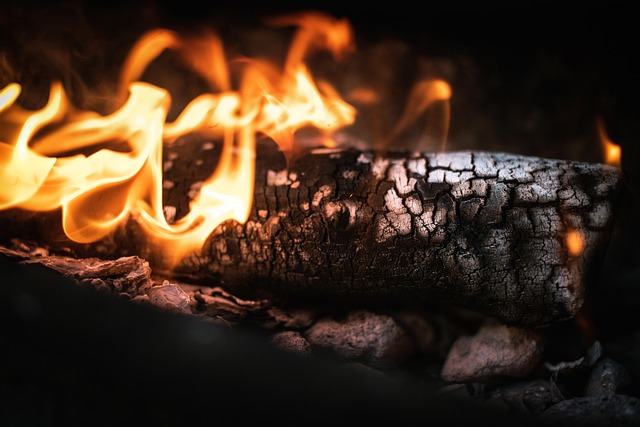
Fire damage restoration is a comprehensive process that goes far beyond simply cleaning up visible damage. When a fire starts in your home, it creates multiple layers of destruction that require professional expertise to address properly. The damage extends beyond what flames directly touch – smoke, soot, and water from firefighting efforts create secondary damage that can be just as devastating as the fire itself.
The restoration process typically begins within hours of the fire being extinguished. Time is critical because smoke and soot continue to cause damage even after the flames are gone. Acidic soot can permanently stain surfaces, corrode metals, and create lasting odors that penetrate deep into building materials. Water damage from sprinkler systems or firefighting efforts can lead to mold growth within 24-48 hours, compounding the original fire loss.
Professional restoration companies use specialized equipment to assess the full extent of damage, including areas that may not be immediately visible. Thermal imaging cameras can detect heat signatures behind walls, moisture meters identify water-damaged areas, and air quality testing determines the presence of harmful particles. This comprehensive assessment ensures that no damage goes unnoticed, preventing future problems that could emerge weeks or months later.
## Key Methods
### Step 1: Emergency Response and Damage Assessment
The first critical step in fire damage restoration begins the moment firefighters finish controlling the blaze. Emergency response teams secure the property to prevent further damage and conduct a thorough assessment to determine the scope of restoration needed. This process involves documenting all visible damage through detailed photography and creating a comprehensive inventory of affected items.

Professional restoration specialists examine structural elements, HVAC systems, electrical components, and personal belongings to categorize damage levels. They identify what can be restored versus what constitutes a total loss, helping homeowners and insurance companies make informed decisions about the restoration process. Advanced equipment like moisture detectors and thermal imaging cameras reveal hidden damage that could lead to serious problems if left untreated.
The assessment also includes air quality testing to determine the presence of harmful particles and chemicals released during the fire. This information is crucial for establishing proper safety protocols and determining which personal protective equipment restoration workers need. Emergency board-up services protect the property from weather, vandalism, and further damage while restoration plans are developed.
### Step 2: Water Removal and Structural Drying

After firefighting efforts, excess water removal becomes an immediate priority to prevent secondary damage from mold and structural deterioration. Industrial-grade pumps extract standing water, while powerful air movers and dehumidifiers begin the drying process. This step requires careful monitoring because different materials dry at different rates, and improper drying can cause warping, cracking, or other structural problems.
Professional restoration teams use moisture mapping techniques to track drying progress and ensure all affected areas reach appropriate moisture levels. Hidden moisture in wall cavities, under flooring, or in insulation can create long-term problems if not properly addressed. Specialized injection systems can dry these hard-to-reach areas without requiring extensive demolition.
The drying process typically takes several days to complete, depending on the extent of water damage and environmental conditions. Throughout this period, restoration professionals monitor humidity levels, adjust equipment placement, and document progress to ensure optimal results. Proper structural drying prevents mold growth and preserves as much of the original structure as possible, reducing overall restoration costs.
### Step 3: Soot and Smoke Damage Cleanup
Soot and smoke damage cleanup requires specialized techniques and equipment to remove harmful particles and eliminate persistent odors. Different types of fires create different types of soot, each requiring specific cleaning approaches. Wet soot from smoldering fires behaves differently than dry soot from fast-burning flames, and protein residue from kitchen fires presents unique challenges.
Professional cleaning begins with HEPA filtration systems that remove airborne particles while specialized cleaning solutions break down soot deposits on surfaces. Ultrasonic cleaning tanks can restore small items, while larger pieces require hand cleaning with appropriate solvents and techniques. Porous materials like drywall, insulation, and carpeting may need complete replacement if cleaning cannot restore them to safe, pre-loss conditions.
Odor elimination involves more than just masking smells – it requires breaking down odor-causing molecules at the molecular level. Thermal fogging, ozone treatment, and hydroxyl generators are among the advanced techniques used to eliminate smoke odors permanently. The process may take several treatments to achieve complete odor removal, especially in cases involving large fires or materials that readily absorb odors.
## Practical Tips
**Document Everything Thoroughly**: Take extensive photographs and videos of all damage before any cleanup begins. Create detailed lists of damaged items, including approximate ages, purchase prices, and replacement costs. This documentation proves invaluable when working with insurance adjusters and helps ensure you receive appropriate compensation for your losses. Keep receipts for any emergency repairs or temporary living expenses, as these may be covered under your policy.
**Contact Your Insurance Company Immediately**: Report the fire to your insurance company as soon as it’s safe to do so, ideally within 24 hours of the incident. Understand your policy coverage limits, deductibles, and any restrictions that might apply. Ask about additional living expenses if you need temporary housing during restoration. Work closely with your assigned adjuster and provide all requested documentation promptly to avoid delays in the claims process.
**Work Only with Certified Restoration Professionals**: Choose restoration companies that hold certifications from recognized industry organizations like the Institute of Inspection, Cleaning and Restoration Certification (IICRC). Verify that contractors carry appropriate licenses and insurance coverage. Get detailed written estimates from multiple companies and ask for references from recent customers. Avoid door-to-door solicitors who appear immediately after a fire, as they may not have proper credentials or may use high-pressure sales tactics.
**Prioritize Safety Throughout the Process**: Never enter a fire-damaged building until it’s been declared safe by professionals. Structural damage may not be immediately visible, and harmful particles can remain in the air long after the fire is extinguished. Wear appropriate protective equipment when retrieving personal items, and be aware that some belongings may need professional cleaning or disposal due to contamination.
**Plan for Extended Timeline**: Fire restoration is rarely a quick process, especially for large losses involving extensive structural damage. Develop realistic expectations about timelines and prepare for temporary living arrangements that might last weeks or months. Communicate regularly with your restoration team about progress and any concerns that arise. Having patience during this stressful time ultimately leads to better restoration results.
## Important Considerations
Several critical factors can significantly impact the success of fire damage restoration, and understanding these considerations helps homeowners make informed decisions throughout the process. The age and construction type of your house affects restoration approaches, as older homes may contain hazardous materials like asbestos or lead paint that require special handling procedures. Modern synthetic materials, while often more fire-resistant, can release toxic chemicals when burned, necessitating additional safety precautions during cleanup.
Insurance coverage complexities often surprise homeowners who haven’t carefully reviewed their policies before experiencing a loss. Understanding the difference between replacement cost and actual cash value coverage affects how much compensation you’ll receive for damaged items. Some policies have specific limits for certain categories of personal property, and coverage for temporary living expenses may have time restrictions or dollar limits that impact your restoration timeline.
The restoration process can be emotionally challenging as you deal with the loss of personal belongings and the disruption to your daily life. Professional counselors who specialize in disaster recovery can provide valuable support during this difficult time. Some insurance policies include coverage for counseling services, recognizing the psychological impact of property losses. Maintaining realistic expectations and focusing on safety rather than speed helps reduce stress and leads to better long-term outcomes.
## Conclusion
Fire damage restoration is a complex process that requires professional expertise, patience, and careful planning to achieve successful results. From the moment firefighters finish extinguishing the flames until you can safely return to your restored home, every step demands attention to detail and adherence to proven restoration techniques. Understanding the complete process helps you make informed decisions, work effectively with restoration professionals, and navigate insurance requirements with confidence.
The journey from devastating loss to complete recovery may seem overwhelming, but thousands of families successfully restore their homes and lives after fire damage each year. By working with certified restoration professionals, maintaining thorough documentation, and prioritizing safety throughout the process, you can transform your house back into the comfortable, safe home you remember. While the experience is undoubtedly challenging, proper restoration techniques can often return your property to better condition than before the fire occurred.