
Dow Jones Stock Market Futures Explained – What Every Investor Needs to Know!
Dow Jones futures are a critical financial instrument that allow investors and traders to speculate on the future value of the Dow Jones Industrial Average (DJIA), one of the most widely-followed stock market indices in the world. Understanding these futures contracts is essential for anyone looking to navigate the complex world of financial markets, whether you’re a seasoned professional or just beginning your investment journey. These derivative contracts provide valuable insights into market sentiment and allow participants to hedge their portfolios against potential downturns or capitalize on expected market movements before the regular trading session begins.
Understanding the Basics
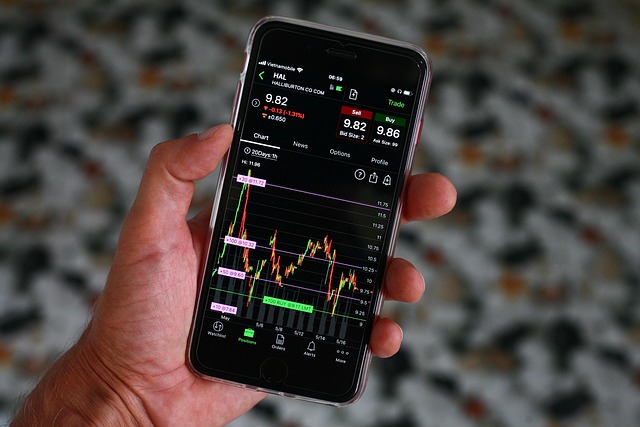
The Dow Jones Industrial Average, commonly referred to simply as “the Dow,” is a price-weighted index of 30 prominent publicly-traded companies in the United States. These blue-chip stocks represent major sectors of the American economy, including technology giants like Apple and Microsoft, financial institutions like Goldman Sachs and JPMorgan Chase, healthcare leaders like Johnson & Johnson, and consumer brands like Coca-Cola and Nike. When we talk about Dow futures, we’re referring to financial contracts that allow traders to buy or sell the index at a predetermined price on a specific future date.
Dow futures trading occurs nearly 24 hours a day on the Chicago Mercantile Exchange (CME), which means these contracts provide a window into market sentiment even when the regular stock market is closed. This is why you’ll often hear financial news channels reporting on “Dow futures” before the market opens – these pre-market indicators can signal how the stock market might perform when the opening bell rings at 9:30 AM Eastern Time.
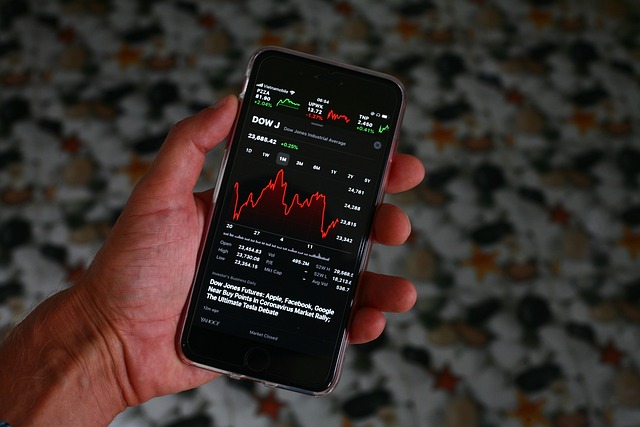
The value of a Dow futures contract is derived from the expected future value of the DJIA itself. Each point movement in the Dow futures represents $10 per contract for the E-mini Dow futures, which are the most commonly traded version. For example, if Dow futures are trading at 34,000 and rise to 34,100, that 100-point increase represents a $1,000 gain per contract. This leverage makes futures both powerful and risky – small movements in the index can result in significant profits or losses for traders.
Key Methods
Step 1: Learning How to Read Dow Futures Quotes
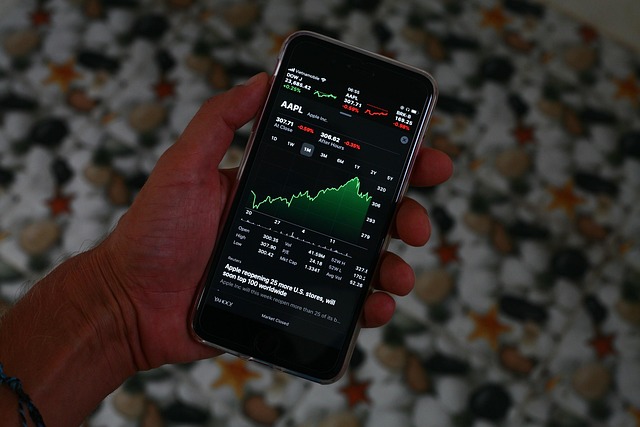
Before you can effectively trade or even understand Dow Jones futures, you need to know how to interpret the quotes and data you’ll encounter. When you look at a futures quote, you’ll see several critical pieces of information: the current price, the change from the previous close, the percentage change, the high and low prices for the session, and the trading volume. Most financial websites and trading platforms display these futures quotes in real-time or with a slight delay.
The contract month is another crucial element to understand. Dow futures are available in quarterly contracts that expire in March, June, September, and December. Traders typically focus on the “front month” contract, which is the nearest expiration date with the highest liquidity. As an expiration date approaches, active traders will “roll over” their positions to the next contract month to maintain their exposure.
Step 2: Understanding Market Hours and Pre-Market Trading
One of the most significant advantages of Dow futures is their extended trading hours compared to regular stock market hours. While the New York Stock Exchange operates from 9:30 AM to 4:00 PM Eastern Time on weekdays, Dow futures trade nearly around the clock, with only a brief maintenance window. This extended access means that global events, economic reports, and corporate announcements that occur outside regular market hours can immediately impact futures prices.

The pre-market session, which runs from 6:00 AM to 9:30 AM Eastern Time, is when many investors and financial media closely watch Dow futures for clues about how the regular session might open. Significant overnight news – such as geopolitical developments, earnings reports from major companies, economic data releases from other countries, or Federal Reserve announcements – can cause substantial movements in futures prices during these hours.
However, it’s important to recognize that pre-market futures movements don’t always translate directly to regular session performance. Lower trading volume during off-hours can lead to exaggerated price swings, and market sentiment can shift rapidly once the full weight of institutional trading begins at the opening bell. Experienced investors use pre-market futures as one indicator among many, rather than treating them as definitive predictions of the day’s market performance.
Step 3: Developing a Risk Management Strategy

Trading Dow futures requires a comprehensive risk management approach because of the inherent leverage involved in these contracts. Unlike buying stocks where your maximum loss is limited to your investment amount, futures contracts can result in losses exceeding your initial margin deposit if the market moves significantly against your position. This makes proper risk management not just advisable, but absolutely essential for anyone trading these instruments.
The first element of risk management is position sizing – never risk more capital than you can afford to lose on any single trade. Many professional traders follow the rule of risking no more than 1-2% of their total trading capital on any individual position. This conservative approach ensures that a string of losing trades won’t devastate your account. Additionally, always use stop-loss orders to automatically exit positions if the market moves against you beyond a predetermined threshold.
Understanding margin requirements is equally critical. Futures trading requires you to maintain a margin account with sufficient funds to cover potential losses. The initial margin is what you need to open a position, while the maintenance margin is the minimum amount required to keep the position open. If your account falls below the maintenance margin due to adverse price movements, you’ll receive a margin call requiring you to deposit additional funds or close positions. Managing these margin requirements carefully prevents forced liquidations at unfavorable prices.
Practical Tips
**Tip 1: Start with Paper Trading Before Risking Real Capital**
Before committing actual money to Dow futures trading, spend at least several weeks or months practicing with a paper trading account or simulator. Most major brokerage platforms offer these virtual trading environments where you can execute trades with simulated money under real market conditions. This invaluable practice allows you to test your strategies, understand the mechanics of futures trading, experience the emotional aspects of watching positions fluctuate, and make mistakes without financial consequences. Pay attention not just to whether your trades are profitable, but also to your decision-making process, your emotional responses to gains and losses, and your ability to follow your trading plan consistently. Many traders discover through paper trading that their strategy needs refinement or that their risk tolerance is different than they initially thought.
**Tip 2: Monitor Economic Indicators and News Events**
The Dow Jones Industrial Average, and consequently Dow futures, respond significantly to economic data releases, Federal Reserve policy decisions, geopolitical events, and corporate earnings reports. Successful futures traders maintain a calendar of important economic indicators such as employment reports (released on the first Friday of each month), inflation data (CPI and PPI reports), GDP growth figures, manufacturing indices, and consumer confidence surveys. These releases often trigger immediate and substantial movements in futures prices. Set up alerts for major announcements and learn to anticipate how different outcomes might affect market sentiment. For example, higher-than-expected inflation readings typically lead to concerns about potential Federal Reserve interest rate increases, which can pressure stock futures lower. Understanding these cause-and-effect relationships helps you position yourself advantageously or protect existing positions ahead of volatile events.
**Tip 3: Understand the Correlation Between Dow Components and the Overall Index**
Since the Dow Jones Industrial Average is a price-weighted index, stocks with higher share prices have a disproportionately larger impact on the index’s movements. A company trading at $300 per share influences the Dow’s value more than one trading at $50 per share, regardless of the companies’ actual market capitalizations. This unique characteristic means that monitoring the pre-market activity and news surrounding the highest-priced Dow components – such as UnitedHealth Group, Goldman Sachs, or Home Depot – can provide early signals about potential Dow futures movements. If several high-weighted components are releasing earnings or facing significant news events, the impact on the index can be substantial. Smart traders track these individual stock movements and understand how sector rotations might affect the index composition’s overall direction.
**Tip 4: Use Technical Analysis to Identify Entry and Exit Points**
While fundamental analysis helps you understand why markets move, technical analysis helps you determine when to enter and exit positions. Dow futures respond well to technical analysis because they’re heavily traded by algorithmic systems and professional traders who watch the same support and resistance levels, moving averages, and chart patterns. Learn to identify key technical indicators such as the 50-day and 200-day moving averages, relative strength index (RSI) for overbought or oversold conditions, MACD for momentum shifts, and Fibonacci retracement levels for potential reversal points. Additionally, pay attention to chart patterns like double tops and bottoms, head and shoulders formations, triangles, and channels. Combining multiple technical indicators while avoiding over-complication can help you make more confident trading decisions and improve your timing on entries and exits.
**Tip 5: Diversify Your Approach and Don’t Overtrade**
One of the most common mistakes new futures traders make is overtrading – taking too many positions, trading too frequently, or maintaining position sizes that are too large relative to their account balance. The nearly 24-hour availability of futures markets can create a temptation to constantly be in the market, but successful trading requires patience and discipline. Wait for high-probability setups that align with your strategy rather than forcing trades out of boredom or fear of missing out. Additionally, consider diversifying your approach by using different timeframes (some positions might be intraday trades while others are swing trades lasting several days), different technical strategies, or even trading multiple futures products rather than focusing exclusively on Dow futures. This diversification can smooth out your equity curve and reduce the psychological pressure of any single trade or market condition.
Important Considerations
Trading Dow Jones futures carries significant risks that every potential trader must understand before entering this market. The leverage inherent in futures contracts means that while profits can accumulate quickly, losses can be equally swift and substantial. Unlike stock investing where you can theoretically hold a losing position indefinitely hoping for recovery, futures contracts have expiration dates and margin requirements that can force you to realize losses. Market gaps – where prices jump significantly between the close and open due to overnight news – can blow past your stop-loss orders, resulting in larger losses than anticipated.
Tax implications also require careful consideration. In the United States, futures contracts receive special tax treatment under Section 1256, with 60% of gains or losses treated as long-term capital gains and 40% as short-term, regardless of how long you held the position. This can be advantageous compared to short-term stock trading, but you should consult with a tax professional to understand how futures trading will affect your specific situation.
The psychological demands of futures trading shouldn’t be underestimated. The leverage and volatility can create intense emotional responses, particularly during losing streaks. Successful traders develop emotional discipline, stick to their trading plans even when tempted to deviate, and maintain proper perspective on both wins and losses. If you find yourself becoming obsessed with positions, losing sleep, or experiencing significant stress, these are signs that you may need to reduce position sizes or step back from trading entirely.
Conclusion
Dow Jones futures represent a powerful financial tool that provides opportunities for profit, portfolio hedging, and market insight, but they demand respect, education, and disciplined execution. As you’ve learned throughout this comprehensive guide, successful futures trading requires understanding the mechanics of how these contracts work, developing strategies for reading market signals, implementing robust risk management protocols, and maintaining the psychological discipline to execute your plan consistently. The extended trading hours and leverage available through futures contracts create both opportunities and risks that are magnified compared to traditional stock investing.