

Flood Damage Restoration: Professional Cleanup Tips Guide
Flood is an important subject that many people are interested in learning about. When floodwaters invade your home or business, the aftermath can feel overwhelming. Understanding how to properly address flood damage is crucial for protecting your property, your health, and your financial investment.
Understanding the Basics

Flood damage restoration is a comprehensive process that involves removing water, drying out affected areas, cleaning and sanitizing surfaces, and repairing or replacing damaged materials. The severity of flood damage depends on several factors: the depth of the water, how long the water remained standing, the source of the water, and the types of materials that were affected.
Water damage is typically categorized into three types. Clean water comes from sources like broken pipes or rainwater and poses the least health risk. Gray water contains some contaminants and may come from washing machines or dishwashers. Black water is the most hazardous, containing sewage, chemicals, or other dangerous substances often associated with natural flooding events.
The restoration process must begin as quickly as possible. Within the first 24 to 48 hours, mold can begin to develop in damp environments. Structural materials like drywall and wood can absorb moisture and begin to warp, swell, or deteriorate. Electrical systems may be compromised, creating fire hazards. The longer water sits, the more extensive and expensive the damage becomes.

Professional flood damage restoration companies use industrial-grade equipment including submersible pumps, commercial dehumidifiers, air movers, and moisture detection instruments. These tools allow them to extract water efficiently and thoroughly dry structures to prevent secondary damage. Understanding these basics helps homeowners make informed decisions about whether to attempt DIY cleanup or hire professionals.
Key Methods
Step 1: Safety Assessment and Water Extraction

Before entering a flood-damaged property, conduct a thorough safety assessment. Check for structural damage that could cause collapse. Ensure electrical power is turned off at the main breaker to prevent electrocution. Wear protective equipment including rubber boots, waterproof gloves, goggles, and an N95 respirator mask to protect against contaminated water and airborne mold spores.
Once safety is confirmed, water extraction begins immediately. For minor flooding, wet-dry vacuums and mops may suffice. For significant flooding, submersible pumps are essential for removing standing water quickly. Start extraction from the lowest point and work systematically through the affected area. Remove as much water as possible before moving to the drying phase. Document everything with photographs for insurance purposes throughout this process.
Step 2: Drying and Dehumidification

After water extraction, the drying process begins. This step is critical and often takes several days to complete properly. Open windows and doors to promote air circulation if weather permits. Position fans and air movers strategically to create airflow across wet surfaces. Industrial dehumidifiers pull moisture from the air and materials.
Use moisture meters to monitor progress and ensure materials reach acceptable dryness levels. Different materials have different acceptable moisture content levels. Wood framing should typically be below 15 percent moisture content. Continue the drying process until all readings fall within normal ranges. Rushing this step leads to mold growth and ongoing structural problems that will cost far more to address later.
Step 3: Cleaning, Sanitizing, and Restoration
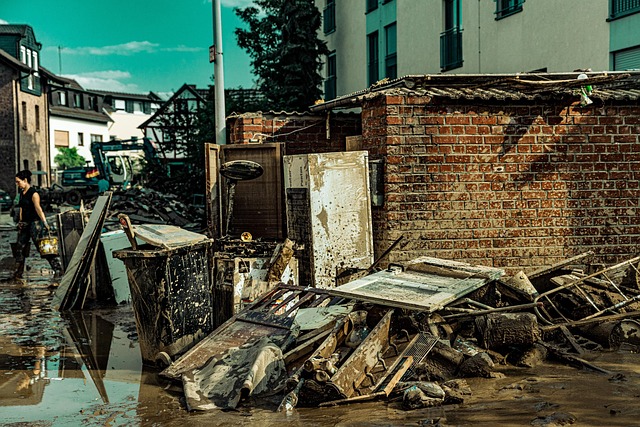
Once everything is thoroughly dried, cleaning and sanitizing can proceed. Remove and dispose of porous materials that cannot be adequately cleaned, such as carpet padding, insulation, and heavily contaminated drywall. Clean salvageable items with appropriate cleaning solutions. Sanitize all affected surfaces with antimicrobial treatments to kill bacteria and prevent mold growth.
After cleaning, restoration work begins. This may include replacing drywall, installing new flooring, repainting walls, and restoring damaged fixtures. Some restoration work requires permits and should be performed by licensed contractors. Keep all receipts and documentation for insurance claims and future reference.
Practical Tips
**Tip 1: Document Everything Immediately**
Before moving or discarding anything, photograph and video all damage extensively. Create a detailed inventory of damaged items including descriptions, approximate ages, and estimated values. This documentation is essential for insurance claims. Keep a written log of all conversations with insurance adjusters, contractors, and restoration companies including dates, times, and discussion details.
**Tip 2: Contact Your Insurance Company Promptly**
Report flood damage to your insurance company as soon as possible. Most policies require prompt notification. Ask about coverage limits, deductibles, and what documentation they require. Request a claim number and the name of your assigned adjuster. Understand that standard homeowner policies typically exclude flood damage, which requires separate flood insurance through the National Flood Insurance Program.
**Tip 3: Prevent Mold Growth Aggressively**
Mold can begin growing within 24 to 48 hours in damp conditions. Remove wet materials promptly. Increase ventilation and use dehumidifiers continuously. Apply antimicrobial treatments to prevent mold colonization. If mold does appear, address it immediately before it spreads. Mold remediation becomes exponentially more expensive as the problem grows.
**Tip 4: Prioritize Electrical System Safety**
Never enter standing water if electrical outlets or appliances are submerged. Have a licensed electrician inspect your electrical system before restoring power. Water-damaged electrical components including outlets, switches, and wiring may need replacement. This is not an area for DIY repairs as improper electrical work creates fire and electrocution hazards.
**Tip 5: Save What You Can, But Know When to Discard**
Some items can be cleaned and salvaged while others must be discarded for health and safety reasons. Solid wood furniture can often be dried and restored. Electronics may be salvageable if professionally cleaned before powering on. However, mattresses, upholstered furniture, and carpet padding that absorbed floodwater typically cannot be adequately cleaned and should be discarded.
Important Considerations
Health hazards associated with flood damage are significant and should not be underestimated. Floodwater often contains sewage, chemicals, pesticides, and other contaminants. Direct contact can cause skin infections, gastrointestinal illness, and respiratory problems. Always wear appropriate protective equipment when handling flood-damaged materials.
Children, elderly individuals, and those with compromised immune systems face higher risks from flood-related contamination. Keep vulnerable family members away from cleanup activities. If anyone experiences symptoms like persistent cough, skin rashes, or gastrointestinal distress after flood exposure, seek medical attention promptly.
Be wary of contractor fraud that unfortunately increases after natural disasters. Obtain multiple estimates for restoration work. Verify contractor licenses and insurance. Check references and online reviews. Never pay the full amount upfront. Reputable contractors understand the need for staged payments tied to project milestones.
Conclusion
Flood damage restoration is a challenging but manageable process when approached systematically and safely. The key principles are speed, thoroughness, and attention to health hazards. Acting quickly to extract water and begin drying prevents secondary damage that multiplies costs and complications.
Whether you handle cleanup yourself or hire professionals depends on the extent of damage and the type of water involved. Minor clean water damage may be DIY-appropriate while significant flooding or contaminated water typically requires professional intervention.
Remember that recovery takes time. Focus on safety first, then systematic progress through extraction, drying, cleaning, and restoration phases. Document everything for insurance purposes. Seek help from qualified professionals when needed. With patience and proper procedures, flood-damaged properties can be fully restored to safe, comfortable living spaces.