
# From Cloud to Car: Driving the Future of Safer, AI-Defined Mobility
From the moment we wake up to the time we sleep, transportation shapes our daily lives. The evolution from traditional vehicles to AI-powered, cloud-connected cars represents one of the most significant technological shifts of our time. This transformation isn’t just about getting from point A to point B—it’s about reimagining mobility as a safer, smarter, and more sustainable experience.
## Understanding the Basics
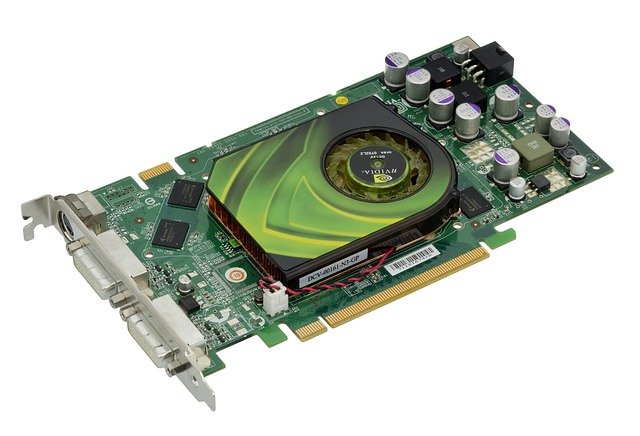
Cloud computing serves as the backbone of this revolution, providing the computational power necessary to handle real-time decision making for millions of vehicles simultaneously. Machine learning models trained on vast datasets can predict traffic congestion, optimize routes, and even anticipate mechanical failures before they occur. The cloud enables vehicles to share collective intelligence, creating a network effect where each car becomes smarter by learning from the experiences of others.
Edge computing plays a crucial role by bringing processing power closer to the vehicle itself. Critical safety decisions that require split-second responses—like emergency braking or collision avoidance—cannot afford the latency of cloud communication. Therefore, AI models are deployed both in the cloud for complex analytics and at the edge for immediate safety responses.
The integration of 5G networks accelerates this transformation by providing the high-speed, low-latency connectivity essential for real-time vehicle-to-everything (V2X) communication. This enables cars to communicate not only with cloud services but also with other vehicles, traffic infrastructure, and pedestrians’ mobile devices.

## Key Methods
### Step 1: Data Collection and Sensor Integration
Modern vehicles are equipped with an array of sensors including cameras, LiDAR, radar, GPS, and accelerometers that continuously collect environmental and operational data. These sensors work together to create a comprehensive picture of the vehicle’s surroundings and internal state. The data collection process involves multiple layers of redundancy to ensure safety-critical information is always available.

Camera systems provide visual recognition capabilities, identifying traffic signs, lane markings, pedestrians, and other vehicles. LiDAR creates detailed 3D maps of the environment, enabling precise distance measurements and object detection even in challenging weather conditions. Radar sensors excel at detecting moving objects and measuring their velocity, particularly useful for adaptive cruise control and collision avoidance systems.
The integration process requires sophisticated data fusion algorithms that combine inputs from multiple sensors to create a unified understanding of the environment. This sensor fusion approach compensates for individual sensor limitations and provides robust performance across various driving conditions. Real-time processing capabilities ensure that critical safety decisions can be made within milliseconds of detecting potential hazards.
### Step 2: Cloud Processing and AI Model Training

Once collected, vehicle data is transmitted to cloud platforms where powerful AI models analyze patterns and extract insights. Machine learning algorithms process historical traffic data to predict optimal routes, while computer vision models improve object detection accuracy by learning from millions of driving scenarios. The cloud infrastructure must handle massive data volumes while maintaining strict security and privacy standards.
Training AI models for automotive applications requires specialized datasets that represent diverse driving conditions, weather scenarios, and geographic locations. Deep learning networks learn to recognize complex patterns in driving behavior, road conditions, and traffic flow. These models continuously improve through federated learning approaches that allow vehicles to contribute to collective intelligence without compromising individual privacy.
Cloud platforms also enable over-the-air updates that can enhance vehicle capabilities and fix issues without requiring physical service visits. This capability transforms vehicles into continuously evolving platforms that become more capable over time. Advanced analytics help manufacturers understand how vehicles perform in real-world conditions and identify opportunities for improvement.

### Step 3: Real-Time Decision Making and Safety Implementation
The final step involves implementing AI-driven decisions in real-time vehicle operations. Advanced driver assistance systems (ADAS) use cloud-processed insights combined with local sensor data to make immediate safety decisions. These systems can detect drowsy driving patterns, predict potential collisions, and automatically adjust vehicle behavior to maintain safety.
Emergency response systems benefit significantly from cloud connectivity, automatically contacting emergency services and providing precise location data in case of accidents. Predictive maintenance alerts help prevent breakdowns by analyzing vehicle performance data and scheduling service before components fail. These proactive approaches significantly improve both safety and convenience for drivers.
## Practical Tips
**Tip 1: Optimize Your Vehicle’s Connectivity**
Ensure your vehicle maintains strong cellular connectivity by regularly updating communication modules and choosing data plans that support real-time applications. Poor connectivity can limit access to traffic updates, navigation improvements, and safety features. Consider investing in signal boosters if you frequently drive in areas with weak cellular coverage. Monitor your data usage to avoid throttling that could impact critical safety communications.
**Tip 2: Keep Software Updated**
Regularly install over-the-air updates to ensure your vehicle benefits from the latest AI improvements and security patches. These updates often include enhanced object detection algorithms, improved route optimization, and new safety features. Set up automatic updates when possible, but review update notes to understand new capabilities and any changes to vehicle behavior.
**Tip 3: Calibrate Sensors Properly**
Maintain clean sensors and follow manufacturer guidelines for calibration to ensure accurate data collection. Dirty or misaligned sensors can compromise AI decision-making capabilities and safety systems. Regular professional calibration ensures optimal performance of camera, radar, and LiDAR systems. Address any sensor warnings immediately to maintain full functionality.
**Tip 4: Understand Privacy Settings**
Configure data sharing preferences to balance personalization benefits with privacy concerns. Review what data your vehicle collects and how it’s used to improve services while protecting sensitive information. Many vehicles allow granular control over data sharing, enabling you to participate in collective intelligence while maintaining privacy boundaries.
**Tip 5: Practice Progressive Adoption**
Gradually adopt new AI-powered features rather than enabling everything at once. Start with basic driver assistance features and progressively use more advanced capabilities as you become comfortable with the technology. This approach helps build trust and understanding while ensuring you can safely override automated systems when necessary.
## Important Considerations
As we embrace the transition from cloud to car, several critical considerations must guide our approach to ensure safety, privacy, and ethical implementation. Cybersecurity represents perhaps the most significant challenge, as connected vehicles become potential targets for malicious attacks. Robust encryption, secure communication protocols, and regular security updates are essential to protect both vehicle operations and personal data.
Privacy concerns require careful balance between the benefits of data sharing and individual rights. Consumers must understand what data their vehicles collect, how it’s used, and who has access to it. Transparent privacy policies and user-controlled data sharing options help build trust while enabling the collective intelligence that makes AI-powered mobility safer for everyone.
The reliability of cloud infrastructure becomes critical when vehicles depend on remote processing for safety-critical decisions. Redundant systems, failsafe mechanisms, and hybrid cloud-edge architectures help ensure continuous operation even during network outages or server failures. Regulatory frameworks must evolve to address these new dependencies and establish safety standards for connected and autonomous vehicles.
## Conclusion
The success of this transformation depends on thoughtful implementation that prioritizes safety, privacy, and user trust. As we continue to develop and deploy these technologies, collaboration between manufacturers, technology companies, regulators, and consumers will be essential to realize the full potential of AI-defined mobility. The future of transportation is not just about autonomous vehicles—it’s about creating an intelligent, connected ecosystem that enhances safety and convenience for all road users.
Embracing this change requires both excitement for the possibilities and respect for the challenges ahead. By understanding the technology, staying informed about developments, and participating thoughtfully in the transition, we can help shape a future where the journey from cloud to car delivers on its promise of safer, smarter, and more sustainable mobility for everyone.