
GLD Stock Plunge: Gold Rally Ends – What’s Next?
GLD is an important subject that many people are interested in learning about. The SPDR Gold Shares (GLD) exchange-traded fund has long been considered a safe haven for investors seeking stability during market turbulence. However, recent market dynamics have shown that even gold’s legendary status as a store of value can falter when broader economic forces shift. After an impressive rally that saw gold prices surge to record highs, GLD has experienced a significant pullback, leaving many investors wondering whether this marks the end of gold’s bullish trend or merely a temporary correction in a longer-term upward trajectory. Understanding what drives gold prices and how to navigate these volatile periods is crucial for anyone holding or considering positions in GLD.
Understanding the Basics
Gold has served as a monetary asset and store of value for thousands of years, but modern investors primarily access it through financial instruments like GLD. The SPDR Gold Shares ETF, ticker symbol GLD, is the largest physically-backed gold ETF in the world, holding actual gold bullion in secure vaults. When you purchase shares of GLD, you’re essentially buying a claim on a fraction of that physical gold, with each share representing approximately one-tenth of an ounce of gold. This makes GLD an accessible way for retail investors to gain exposure to gold prices without the complications of storing and insuring physical bullion.
The recent plunge in GLD shares reflects a broader shift in market sentiment toward gold. Several factors contributed to gold’s impressive rally over the past year: concerns about inflation, geopolitical tensions, central bank policies, and uncertainty in equity markets. During periods of economic uncertainty, investors traditionally flock to gold as a “safe haven” asset that tends to hold its value when other investments decline. However, the inverse relationship also holds true—when economic conditions improve or when alternative investments offer more attractive returns, gold often loses its luster.
The current decline in GLD can be attributed to several converging factors. First, the U.S. dollar has strengthened considerably, making gold more expensive for international buyers and reducing demand. Second, real interest rates have risen as central banks have signaled a more hawkish stance, making yield-bearing assets more attractive relative to non-yielding gold. Third, some of the geopolitical tensions that drove investors toward safety have eased, reducing the fear premium built into gold prices. Understanding these interconnected dynamics is essential for making informed decisions about whether to hold, buy more, or exit GLD positions.

Key Methods
Step 1: Analyze the Technical Picture
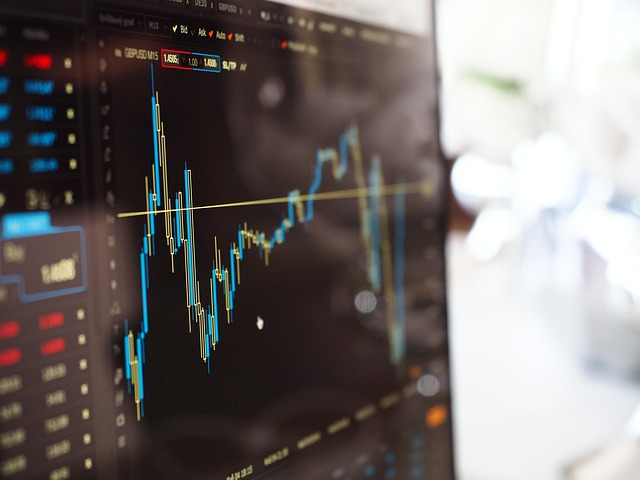
When evaluating GLD’s price action, technical analysis provides valuable insights into potential support and resistance levels. The recent plunge has broken several key support levels that held during the rally, suggesting that momentum has shifted to the downside. Chart patterns show that GLD formed a classic “rising wedge” pattern before the breakdown, which is typically a bearish reversal signal. Volume analysis during the decline shows increased selling pressure, with trading volume spiking as the price fell—another indication that the selling is serious rather than just a minor pullback.
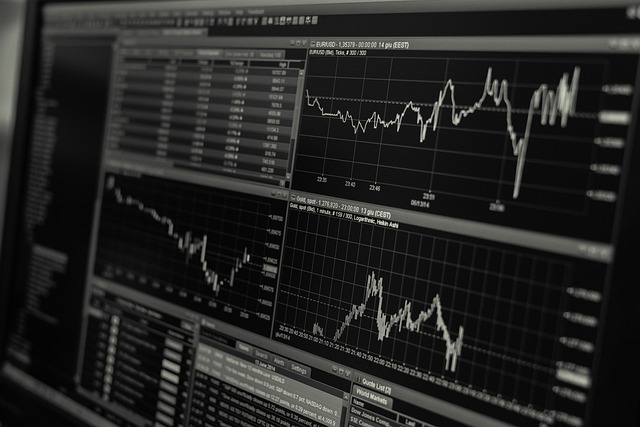
Key technical levels to watch include the 200-day moving average, which has historically served as a major support level for GLD. If the price falls below this level and fails to reclaim it quickly, it could signal a longer-term bear market in gold. Conversely, if GLD can find support at this level and begin to consolidate, it might indicate that the decline is exhausting and a new rally could form. The Relative Strength Index (RSI) has fallen into oversold territory, which sometimes precedes short-term bounces, but oversold conditions can persist during strong downtrends.
Step 2: Evaluate Fundamental Drivers
Beyond technical analysis, understanding the fundamental factors driving gold prices is crucial for long-term investment decisions. The most important fundamental consideration right now is the trajectory of real interest rates—that is, nominal interest rates minus inflation expectations. Gold performs poorly when real rates are rising because investors can earn positive real returns from safer assets like Treasury bonds. Conversely, when real rates are negative or falling, gold becomes more attractive as it doesn’t have the negative carry cost.

Currently, the Federal Reserve and other central banks have signaled their commitment to maintaining higher interest rates to combat inflation. This “higher for longer” message has pushed real yields higher, creating headwinds for gold. Additionally, inflation rates have been moderating from their peaks, reducing one of gold’s key appeal factors. Investors who bought gold as an inflation hedge are now reconsidering whether that protection is still necessary. The U.S. dollar’s strength is another fundamental headwind, as gold is priced in dollars globally. A stronger dollar makes gold more expensive in other currencies, reducing international demand.
Step 3: Assess Your Investment Horizon and Risk Tolerance
The decision about what to do with GLD holdings depends heavily on your investment timeframe and risk appetite. For short-term traders, the technical breakdown suggests caution, and many may choose to exit positions or even take short positions betting on further declines. However, for long-term investors with a multi-year horizon, the current pullback might represent a buying opportunity rather than a reason to panic. Historically, gold has maintained its purchasing power over very long periods, even if shorter-term volatility can be significant.
Consider your portfolio’s overall allocation to gold and precious metals. Financial advisors often recommend a 5-10% allocation to gold as a portfolio diversifier and insurance against extreme events. If your GLD holdings have fallen below this target due to the recent decline, it might make sense to add to your position. Conversely, if gold still represents an outsized portion of your portfolio, the current weakness might be an opportunity to rebalance toward other assets. Dollar-cost averaging—adding to positions gradually over time—can be an effective strategy during periods of high volatility, allowing you to build positions without trying to time the exact bottom.
Practical Tips
**Tip 1: Monitor the Dollar Index Closely** – The U.S. Dollar Index (DXY) has an inverse relationship with gold prices approximately 80% of the time. When the dollar strengthens against other major currencies, gold typically falls, and vice versa. Currently, the dollar has been in a strong uptrend, which explains much of GLD’s weakness. Set up alerts for significant moves in the DXY, particularly around key support and resistance levels. If the dollar begins to weaken from current levels—perhaps due to deteriorating U.S. economic data or a shift in Federal Reserve policy—gold could rebound quickly. Conversely, continued dollar strength would likely mean further pressure on GLD. The dollar’s movements are influenced by interest rate differentials between countries, so pay attention to central bank policy decisions globally, not just from the Federal Reserve.
**Tip 2: Use Options to Hedge or Enhance Returns** – If you’re a long-term GLD holder concerned about further downside, consider using put options to protect your position. Buying puts gives you the right to sell GLD at a specified price, limiting your downside risk while allowing you to participate in any recovery. Alternatively, if you believe the selloff is overdone, selling cash-secured put options at lower strike prices allows you to collect premium income while committing to buy GLD at prices you’d be happy to pay. For those with higher risk tolerance, call options on GLD can provide leveraged exposure to a potential rebound without committing large amounts of capital. Remember that options have time decay, so they’re not suitable for indefinite holding periods. Use options as tactical tools within a broader strategic approach to gold investing.
**Tip 3: Diversify Within Precious Metals** – Don’t put all your precious metals exposure into just GLD. Consider diversifying across other gold vehicles and related metals. Physical gold coins or bars offer direct ownership without counterparty risk, though with storage and insurance costs. Gold mining stocks (individual companies or ETFs like GDX) offer leveraged exposure to gold prices and can outperform during rallies, though they carry company-specific risks. Silver (via SLV) tends to be more volatile than gold but often performs well during precious metals bull markets. Platinum and palladium have industrial uses that create different supply-demand dynamics. By spreading investments across these different vehicles, you can capture various aspects of the precious metals complex while reducing concentration risk in any single asset.
**Tip 4: Stay Informed on Central Bank Gold Purchases** – Central banks, particularly those in emerging markets, have been significant buyers of gold in recent years as they seek to diversify away from dollar-denominated reserves. Countries like China, Russia, India, and Turkey have substantially increased their gold reserves. These large-scale institutional purchases provide a fundamental floor under gold prices and can drive longer-term trends. Monitor monthly reports from the World Gold Council on central bank gold purchases. Strong and sustained central bank buying can support gold prices even when other factors are negative. Conversely, if central banks slow their purchases or begin selling, it would be a concerning signal for gold’s long-term prospects. This institutional demand operates independently of retail investor sentiment and can create divergences between short-term price action and longer-term fundamentals.
**Tip 5: Consider Tax Implications Before Trading** – Gold ETFs like GLD are classified as collectibles by the IRS, which means that long-term capital gains (holdings over one year) are taxed at a maximum rate of 28%, rather than the standard 15-20% long-term capital gains rate that applies to stocks. This higher tax rate makes tax planning especially important for GLD investors. If you’re considering selling GLD at a loss, understand that you can use those losses to offset other capital gains, including gains from collectibles which are taxed at higher rates. If you’re in a taxable account and have held GLD for nearly a year, it might make sense to wait until you’ve crossed the one-year threshold before selling, though this should be balanced against your market outlook. For those in higher tax brackets, holding GLD in tax-advantaged accounts like IRAs can eliminate the collectibles tax treatment, making these accounts more efficient for gold exposure.
Important Considerations
Second, be aware of the costs associated with holding GLD. The ETF charges an annual expense ratio of 0.40%, which is deducted from the fund’s assets continuously. While this might seem small, it compounds over time and represents a drag on returns, especially during periods when gold prices are stagnant. Additionally, the bid-ask spread on GLD shares, while typically small, can add to transaction costs when trading. For very long-term holders, these cumulative costs can be significant.
Third, understand the difference between GLD and physical gold ownership. While GLD is backed by physical bullion, shareholders don’t have the right to redeem shares for physical gold unless they’re authorized participants dealing in very large blocks. In an extreme crisis scenario—the very situation that motivates some gold ownership—the counterparty risks associated with any financial instrument, including GLD, could become relevant. This doesn’t mean GLD is unsafe for normal market conditions, but investors seeking gold specifically as crisis insurance might prefer some allocation to physical metal they personally control.
Conclusion
The recent plunge in GLD marks a significant shift in the gold market’s dynamics after an impressive rally. While the technical damage is real and the fundamental headwinds—including rising real interest rates, a stronger dollar, and moderating inflation—remain in place, this doesn’t necessarily mean gold’s long-term story is broken. History shows that gold goes through multi-year cycles, and pullbacks of 10-20% are normal even within longer-term bull markets. The key question isn’t whether gold will experience volatility—it always does—but whether the fundamental reasons for owning gold in a diversified portfolio still hold.
Remember that successful investing requires discipline, patience, and a clear strategy. The gold market has survived and thrived through thousands of years of human history, through wars, financial crises, and currency collapses. While GLD’s short-term price action might be concerning for some holders, the long-term case for modest gold exposure in diversified portfolios remains intact. Use this period of volatility to reassess your positions, refine your strategy, and ensure your gold holdings align with your broader financial plan. Whether gold’s rally has truly ended or this is merely a correction in an ongoing bull market will only be clear in hindsight—what matters is that you’re positioned appropriately for various scenarios.