

Gold Prices Crash? What’s Your Take on the Falling Gold Price?
Gold is an important subject that many people are interested in learning about. For centuries, gold has been considered a safe haven asset, a hedge against inflation, and a store of value that transcends borders and currencies. However, recent market movements have shown significant volatility in gold prices, leaving many investors wondering whether this is a temporary correction or the beginning of a prolonged downturn. Understanding the factors that influence gold prices and how to navigate these turbulent times is crucial for anyone holding gold investments or considering entering the market.
Understanding the Basics

Gold prices are influenced by a complex interplay of economic, geopolitical, and market factors that can cause significant fluctuations in value. At its core, gold operates on the principles of supply and demand, but unlike other commodities, its value is also deeply tied to investor sentiment and macroeconomic conditions. When economic uncertainty rises, investors traditionally flock to gold as a safe haven, driving prices up. Conversely, when economic confidence returns and other investment opportunities appear more attractive, gold prices can decline.
The current crash in gold prices can be attributed to several key factors. First, rising interest rates in major economies, particularly the United States, have made bonds and other fixed-income securities more attractive compared to non-yielding assets like gold. When investors can earn a decent return on safer government bonds, the opportunity cost of holding gold increases significantly. Second, a strengthening US dollar typically puts downward pressure on gold prices, as gold is priced in dollars globally. When the dollar appreciates, gold becomes more expensive for holders of other currencies, reducing demand.
Additionally, improvements in global economic outlook and declining inflation expectations have reduced the need for gold as an inflation hedge. Central banks have been successful in bringing down inflation from the peaks seen in recent years, which has reduced one of the primary drivers of gold demand. Market technical factors also play a role—when gold breaks through key support levels, it can trigger automated selling from algorithmic trading systems and prompt investors who had set stop-loss orders to exit their positions, creating a cascade effect that accelerates the price decline.

Key Methods
Step 1: Assess Your Investment Timeline and Goals
Before making any decisions about your gold holdings, it’s essential to take a step back and evaluate your original investment thesis and timeline. Ask yourself why you invested in gold in the first place. Was it for portfolio diversification, as a hedge against inflation, or as a speculation on rising prices? Your answer to this question should guide your next moves. If you invested in gold as a long-term store of value and hedge against economic uncertainty, short-term price fluctuations may not warrant immediate action.
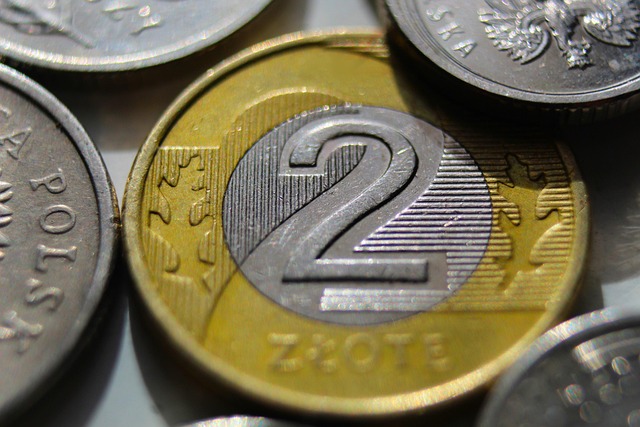
Consider your overall financial situation and investment horizon. If you don’t need to access this capital in the near term and your financial circumstances haven’t changed, holding through the volatility might be the most prudent approach. Historical data shows that gold prices tend to recover over longer time periods, even after significant corrections. However, if you need liquidity or if gold represents an outsized portion of your portfolio, you may need to reconsider your position. Remember that panic selling at the bottom of a market correction is one of the most common and costly mistakes investors make.
Step 2: Analyze Market Fundamentals and Future Outlook
Take time to understand the underlying causes of the current price crash and what the forward-looking indicators suggest. Research current monetary policy directions from major central banks, particularly the Federal Reserve, European Central Bank, and Bank of Japan. Are interest rates likely to continue rising, or are we approaching a pause or pivot? Interest rate expectations have a profound impact on gold prices, as higher rates increase the opportunity cost of holding non-yielding assets.

Step 3: Implement a Strategic Response Plan
Based on your assessment of personal goals and market fundamentals, develop a clear action plan. For long-term investors who believe in gold’s fundamental value proposition, this might be an opportunity to dollar-cost average and accumulate more gold at lower prices. This strategy reduces the risk of trying to time the market perfectly while allowing you to build your position if you believe prices will eventually recover.
If you decide to exit your position partially or completely, do so strategically rather than in a panic. Consider selling in tranches rather than all at once, which allows you to capture better average prices if the market rebounds. Alternatively, you might rebalance your portfolio by reducing your gold allocation to a more appropriate level while maintaining some exposure for diversification benefits. For those holding physical gold, evaluate storage costs and insurance expenses to ensure they don’t erode your investment returns. If you hold gold through ETFs or mining stocks, review the specific risks and costs associated with these instruments, as they may not perfectly track physical gold prices.

Practical Tips
**Tip 1: Diversify Beyond Gold** – Don’t put all your safe-haven eggs in one basket. While gold has traditionally been the go-to asset for wealth preservation, other assets can serve similar purposes. Consider allocating some capital to other precious metals like silver or platinum, which may offer different risk-reward profiles. Inflation-protected securities like TIPS (Treasury Inflation-Protected Securities) provide inflation protection with less volatility than gold. Real estate, commodities, and even certain cryptocurrencies are viewed by some investors as alternative stores of value. The key is to build a diversified portfolio that can weather various economic scenarios, rather than relying too heavily on any single asset class.
**Tip 2: Monitor Dollar Strength Indicators** – Since gold is priced in US dollars, the dollar’s strength has an inverse relationship with gold prices. Follow the US Dollar Index (DXY) and pay attention to factors that influence dollar strength, such as interest rate differentials between the US and other major economies, US economic data releases, and Federal Reserve policy statements. When the dollar weakens, gold typically becomes more attractive to international buyers and tends to rise in price. Understanding this relationship can help you anticipate potential turning points in gold prices and make more informed timing decisions.
**Tip 4: Consider the Form of Gold Ownership** – Different ways of owning gold come with different advantages and risks. Physical gold (coins or bars) provides direct ownership and no counterparty risk, but involves storage costs, insurance, and liquidity challenges. Gold ETFs offer liquidity and convenience but come with management fees and don’t provide physical possession. Gold mining stocks offer leverage to gold prices and potential dividend income but introduce company-specific risks and may not correlate perfectly with gold prices. Gold futures and options provide the most leverage but are complex instruments suitable only for sophisticated investors. Choose the form of gold ownership that aligns with your goals, risk tolerance, and investment expertise.
**Tip 5: Stay Informed But Avoid Information Overload** – Follow reputable sources for gold market analysis and economic news, but don’t let every minor headline drive your decision-making. Establish a routine for checking markets and news—perhaps once daily or weekly rather than constantly throughout the day. Excessive monitoring can lead to anxiety and impulsive decisions. Focus on significant developments like central bank policy changes, major economic data releases, and geopolitical events rather than minute-by-minute price movements. Remember that markets are forward-looking, so understanding where the economy and policies are headed is more valuable than reacting to current conditions.
Important Considerations
Be wary of trying to “catch a falling knife” by investing heavily at what you believe is the bottom. Market bottoms are only obvious in hindsight, and prices can remain depressed or continue falling longer than expected. If you do choose to add to your position during a decline, do so gradually through dollar-cost averaging rather than committing all your capital at once. Also, be cautious of leveraged gold investments during volatile periods, as margin calls can force you to sell at the worst possible time and magnify your losses beyond your initial investment.
Understand the tax implications of selling gold, as these can significantly impact your net returns. In many jurisdictions, physical gold is taxed as a collectible with higher rates than standard capital gains. Consult with a tax professional before making major transactions. Finally, maintain realistic expectations about gold’s role in your portfolio—it’s primarily a portfolio diversifier and insurance policy rather than a growth investment, so it shouldn’t be expected to deliver the same returns as stocks over long periods.