

Hong Kong Travel Guide 2025: 4-Day Itinerary for First Timers
Hong Kong is one of Asia’s most vibrant and exciting destinations, offering a perfect blend of East meets West culture, stunning skylines, delicious cuisine, and rich traditions. This former British colony has transformed into a modern metropolis while preserving its Chinese heritage, making it an ideal destination for first-time visitors to Asia. With its efficient public transportation system, English-speaking population, and compact geography, Hong Kong is incredibly easy to navigate even for those who’ve never traveled internationally before. The city offers everything from luxury shopping in glitzy malls to authentic street food in bustling night markets, from serene Buddhist temples to futuristic skyscrapers, and from peaceful hiking trails to energetic nightlife districts. Whether you’re interested in culture, food, shopping, nature, or simply soaking in the unique atmosphere of this special administrative region of China, Hong Kong has something to captivate every traveler. This comprehensive 4-day itinerary will help you experience the best of what Hong Kong has to offer in 2025.
Understanding the Basics
Before diving into your Hong Kong adventure, it’s essential to understand some fundamental aspects of this unique destination. Hong Kong operates as a Special Administrative Region (SAR) of China, which means it maintains its own legal system, currency, and immigration policies under the “One Country, Two Systems” framework. The official currency is the Hong Kong Dollar (HKD), and while credit cards are widely accepted, it’s advisable to carry some cash for street markets and smaller establishments. The official languages are Cantonese and English, with English being widely spoken in tourist areas, hotels, and restaurants, making communication relatively easy for international visitors.
The climate in Hong Kong varies significantly throughout the year. Spring (March to May) and autumn (October to November) offer the most pleasant weather with mild temperatures and lower humidity, making them the best times to visit. Summer (June to September) is hot, humid, and prone to typhoons, though this is also when you’ll find fewer crowds and better hotel deals. Winter (December to February) is cool and dry, perfect for outdoor activities but requiring a light jacket for evenings.
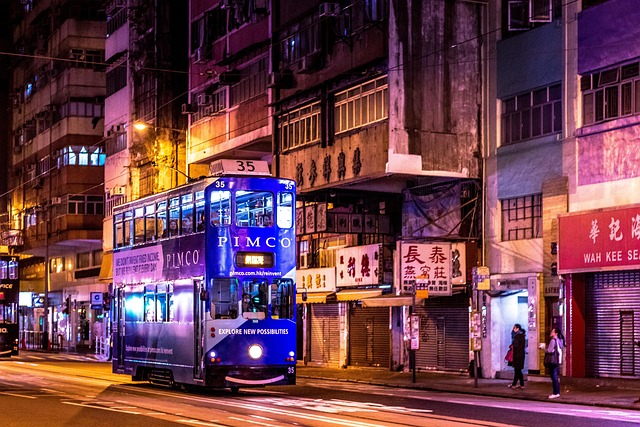
Transportation in Hong Kong is exceptionally efficient and affordable. The MTR (Mass Transit Railway) is the backbone of the public transport system, connecting all major areas of the city with clean, air-conditioned trains running frequently from early morning until past midnight. Purchase an Octopus Card upon arrival – this rechargeable smart card works on all public transport including MTR, buses, trams, and ferries, and can even be used at convenience stores and many restaurants. Taxis are also readily available and relatively inexpensive, though language barriers may occur with some drivers, so having your destination written in Chinese characters can be helpful.
Key Methods
Day 1: Hong Kong Island – Victoria Peak and Central District
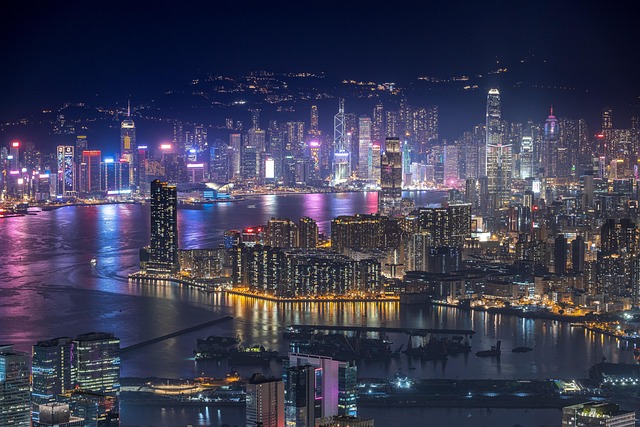
Start your Hong Kong journey by conquering the city’s most iconic landmark – Victoria Peak. Take the historic Peak Tram, a funicular railway that has been operating since 1888, which climbs at a dramatic angle offering spectacular views as you ascend. Arrive early, ideally before 10 AM, to avoid the crowds that build up throughout the day. At the summit, you’ll find the Peak Tower with its distinctive wok-shaped architecture, housing restaurants, shops, and the Sky Terrace 428 observation deck – the highest viewing platform in Hong Kong at 428 meters above sea level. The panoramic views of Hong Kong’s skyline, Victoria Harbour, and Kowloon are absolutely breathtaking and provide the perfect introduction to the city’s dramatic geography.
After descending from the Peak, explore the Central district, Hong Kong’s financial heart. Wander through the fascinating contrast of ultra-modern skyscrapers and traditional Chinese buildings. Visit the historic Man Mo Temple, dedicated to the gods of literature and war, where you’ll see giant spiral incense coils hanging from the ceiling, filling the air with fragrant smoke. Then head to SoHo (South of Hollywood Road) for lunch at one of the many international restaurants, followed by a ride on the Mid-Levels Escalator – the world’s longest outdoor covered escalator system that winds through the neighborhood for 800 meters. End your first day with a stroll through the Lan Kwai Fong entertainment district, famous for its bars and restaurants, perfect for experiencing Hong Kong’s vibrant nightlife.
Day 2: Kowloon – Markets, Culture, and Symphony of Lights
Cross Victoria Harbour to Kowloon using the iconic Star Ferry – this historic ferry service has been operating since 1888 and offers one of the world’s greatest harbor crossings for just a few Hong Kong dollars. Start your day in Tsim Sha Tsui, visiting the Avenue of Stars along the waterfront promenade, Hong Kong’s version of Hollywood’s Walk of Fame, featuring handprints of famous Hong Kong movie stars including Bruce Lee and Jackie Chan. The view of Hong Kong Island from this vantage point is spectacular, especially for photography enthusiasts.
Immerse yourself in Hong Kong’s cultural heritage by visiting some of Kowloon’s fascinating neighborhoods. Explore the colorful Mong Kok area, home to the famous Ladies’ Market where you can haggle for clothes, accessories, souvenirs, and trinkets. Don’t miss the nearby Flower Market and Goldfish Market, offering unique glimpses into local life. For a spiritual experience, visit the Wong Tai Sin Temple, one of Hong Kong’s most popular temples where many locals come to have their fortune told. The temple’s beautiful traditional architecture, with its vibrant red pillars and golden roof, provides excellent photo opportunities. In the afternoon, head to Nathan Road, the “Golden Mile” of shopping, browsing everything from luxury brands to local shops. As evening approaches, return to the Tsim Sha Tsui waterfront for the spectacular Symphony of Lights show at 8 PM, when over 40 buildings on both sides of Victoria Harbour synchronize their lights and lasers to music in the world’s largest permanent light and sound show.
Day 3: Lantau Island – Big Buddha and Traditional Fishing Village
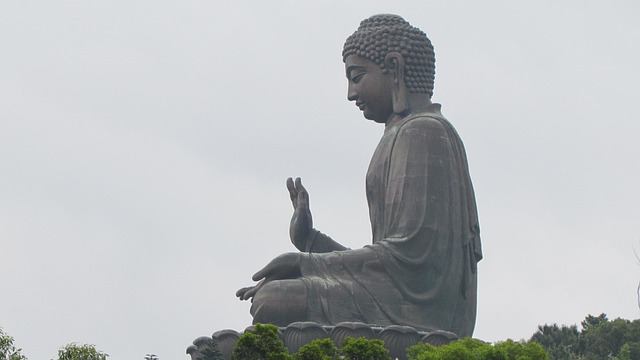
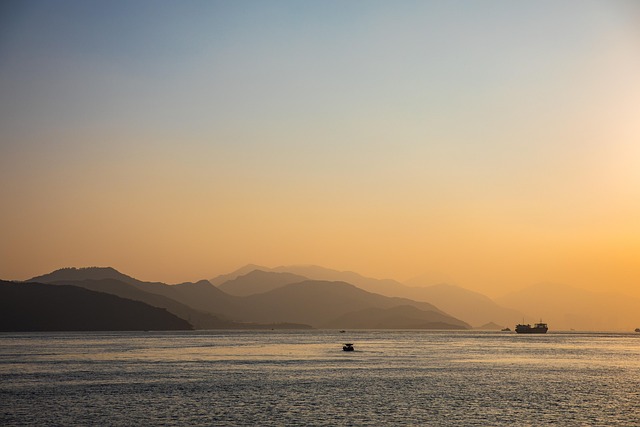
Take a day trip to Lantau Island, Hong Kong’s largest island, for a complete change of pace from the urban intensity. Begin with the breathtaking Ngong Ping 360 cable car journey – this 25-minute ride in a glass-bottomed cabin (if you’re brave enough) offers stunning aerial views of the South China Sea, airport, and mountains. At Ngong Ping Village, you’ll find the magnificent Tian Tan Buddha, also known as the Big Buddha, a 34-meter tall bronze statue that required over a decade to complete. Climb the 268 steps to reach the Buddha and enjoy panoramic views of the surrounding mountains and sea. Visit the adjacent Po Lin Monastery, where you can enjoy a vegetarian lunch at the monastery’s restaurant, experiencing the peaceful Buddhist atmosphere.
In the afternoon, descend to the charming fishing village of Tai O, often called the “Venice of Hong Kong” due to its stilt houses built over the water. Take a traditional sampan boat ride through the waterways to see the houses up close and possibly spot Chinese white dolphins if you’re lucky. Wander through the village’s narrow streets, sample local delicacies like shrimp paste and salted fish, and observe the traditional way of life that has remained largely unchanged for generations. Before returning to the city, consider visiting the nearby Wisdom Path, a peaceful outdoor exhibition of wooden columns inscribed with the Heart Sutra, offering a serene conclusion to your day on Lantau Island.
Day 4: Local Experiences – Markets, Dim Sum, and Neighborhoods
Dedicate your final day to experiencing Hong Kong like a local. Start with an authentic dim sum breakfast at a traditional restaurant – try Tim Ho Wan, the world’s cheapest Michelin-starred restaurant, or Lin Heung Tea House for a more chaotic but authentic experience where you’ll need to compete with locals for bamboo baskets of fresh dumplings. Order classic dishes like har gow (shrimp dumplings), siu mai (pork dumplings), char siu bao (BBQ pork buns), and cheung fun (rice noodle rolls).
Visit the vibrant Temple Street Night Market in the evening, Hong Kong’s most atmospheric night market where you can shop for everything from clothes and electronics to jade and antiques, while street performers and fortune tellers add to the lively ambiance. Before the market, explore the residential neighborhood of Sham Shui Po, known for its authentic local vibe, street food, and fabric markets. For your final dinner, indulge in Hong Kong’s famous roast goose or Peking duck at a local restaurant, or try a traditional hot pot meal where you cook your own ingredients in a bubbling broth at your table. End your trip with a nighttime harbor cruise or a final walk along the waterfront, reflecting on your incredible Hong Kong adventure.
Practical Tips
**Tip 1: Get an Octopus Card Immediately** – Upon arrival at Hong Kong International Airport, head straight to any 7-Eleven or MTR station to purchase an Octopus Card. This rechargeable smart card is essential for navigating Hong Kong efficiently and economically. It works on all forms of public transportation including the MTR subway, buses, trams, the Peak Tram, ferries, and the Ngong Ping 360 cable car. Beyond transportation, you can use it to pay at convenience stores like 7-Eleven and Circle K, fast-food restaurants including McDonald’s and Starbucks, vending machines, and even some parking meters. The card costs HKD 150 with HKD 50 deposit and HKD 100 stored value, and you can easily top it up at MTR stations or convenience stores. When you leave Hong Kong, you can return the card at MTR customer service centers to get your deposit and remaining balance back (minus a small handling fee if you’ve had the card for less than three months). Having an Octopus Card eliminates the hassle of buying individual tickets and makes your travel experience seamless.
**Tip 2: Master the MTR System** – Hong Kong’s MTR is one of the world’s most efficient, clean, and user-friendly subway systems, and mastering it will save you significant time and money during your visit. Download the MTR mobile app before your trip, which provides real-time train arrivals, route planning, exit information, and estimated journey times. The system is color-coded and bilingual (English and Chinese), making it easy to navigate. Trains run frequently, typically every 2-4 minutes during peak hours and 4-8 minutes during off-peak times, from around 6 AM to 1 AM daily. Each station has clearly marked exits (A, B, C, etc.), and knowing which exit to use can save you considerable walking time, especially in large interchange stations like Central or Admiralty. During rush hours (7:30-9:30 AM and 5:30-7:30 PM on weekdays), trains can be extremely crowded, so plan accordingly. The MTR is also remarkably punctual – if the sign says the train arrives in 2 minutes, it will arrive in exactly 2 minutes, so no need to rush or wait unnecessarily.
**Tip 3: Embrace the Food Culture** – Hong Kong is a paradise for food lovers, offering everything from Michelin-starred restaurants to incredible street food, and experiencing the diverse culinary scene is essential to understanding the city’s culture. Don’t be intimidated by restaurants where staff may not speak English – simply point at what others are eating or use your phone’s translation app. For the most authentic dim sum experience, go to a traditional tea house during morning hours (7-11 AM) when the food is freshest and the atmosphere most lively. When dining at local restaurants, understand that service is typically efficient rather than friendly – don’t expect chatty servers or constant check-ins, as this is normal practice in Hong Kong’s fast-paced dining culture. Try regional specialties like wonton noodles, roast meats (char siu, roast duck, soy sauce chicken), egg tarts, pineapple buns, milk tea, and various street snacks from dai pai dong (open-air food stalls). Be adventurous with unfamiliar ingredients – chicken feet, tripe, and preserved duck eggs might sound unusual but are delicious when prepared well. Always carry tissue or wet wipes as many local eateries don’t provide napkins, and be prepared to share tables with strangers during busy meal times, which is completely normal practice.
**Tip 4: Plan Around Weather and Crowds** – Hong Kong’s weather and crowd patterns significantly impact your travel experience, so strategic planning is essential. Check the Hong Kong Observatory website or app for accurate weather forecasts and typhoon warnings. If a typhoon is approaching, Signal No. 8 or higher means most businesses close and public transportation may be suspended, so plan indoor activities or prepare to stay at your hotel. Summer months (June-August) bring intense heat and humidity often exceeding 90%, so schedule outdoor activities for early morning or evening, stay hydrated, and dress in light, breathable fabrics. Many indoor attractions like museums and shopping malls become crowded during hot afternoons when locals seek air-conditioning. Major tourist attractions like Victoria Peak, Big Buddha, and Disneyland are significantly less crowded on weekdays, especially Tuesday through Thursday. Avoid visiting during Chinese New Year (late January to mid-February) when many local businesses close and mainland Chinese tourists flood the city, or during Golden Week holidays (first week of October) when prices spike and attractions become overwhelmingly crowded. The best times to visit are October-November for pleasant weather and March-April for beautiful spring conditions, though be prepared for occasional rain showers.
Important Considerations
When planning your Hong Kong trip, several important factors require careful consideration to ensure a smooth and enjoyable experience. First and foremost, visa requirements vary by nationality – citizens of many countries including the US, UK, Canada, Australia, and most European nations can visit Hong Kong visa-free for 90 days or more, but always verify current requirements for your specific passport before booking flights. Ensure your passport has at least six months of validity remaining from your planned departure date.
Accommodation pricing in Hong Kong can be shocking, as the city has some of the world’s most expensive real estate. Hotel rooms are typically much smaller than what you might expect in other countries – a “standard” room is often only 15-20 square meters. Book well in advance to secure better rates, and consider staying in areas like Tsim Sha Tsui, Causeway Bay, or Wan Chai for convenient MTR access. Budget travelers should look into hostels in areas like Chungking Mansions (famous from the movie “Chungking Express”) which offer very affordable but basic accommodation, though be prepared for cramped spaces and worn facilities.
Healthcare in Hong Kong is excellent but expensive for tourists without insurance. Travel insurance is highly recommended to cover potential medical emergencies, trip cancellations, or lost luggage. Public hospitals offer quality care at lower costs but may have long wait times, while private hospitals provide faster service at premium prices. Bring any prescription medications in original packaging with a doctor’s note, and be aware that some over-the-counter medicines available in your home country may be restricted in Hong Kong.
Hong Kong’s political situation has been complex in recent years, and while the city remains safe for tourists, it’s wise to stay informed about current events and avoid any political demonstrations or gatherings. The Hong Kong Tourism Board website and your country’s travel advisory service provide up-to-date safety information. Internet access is widely available through free Wi-Fi in many public areas, MTR stations, and establishments, though consider getting a local SIM card or portable Wi-Fi device for constant connectivity.
Conclusion
Hong Kong offers an unforgettable travel experience that combines the best of Eastern and Western cultures in one compact, dynamic destination. This 4-day itinerary provides a comprehensive introduction to the city’s highlights, from iconic skyline views and cultural landmarks to authentic local experiences and culinary adventures. However, Hong Kong’s true magic lies in the spontaneous moments – discovering a hidden temple in a modern neighborhood, stumbling upon a local festival, or finding an incredible hole-in-the-wall restaurant recommended by a friendly local.
The beauty of Hong Kong is that it’s simultaneously welcoming to first-time visitors while offering endless depth for those who return multiple times. The efficient public transportation system means you can easily deviate from planned itineraries to explore neighborhoods that catch your interest, and the compact geography ensures you’re never far from your next adventure. Whether you’re drawn to hiking trails with stunning vistas, world-class shopping, fascinating history, or some of Asia’s best cuisine, Hong Kong delivers on all fronts.
As you prepare for your 2025 Hong Kong adventure, remember that the city is constantly evolving. New attractions open regularly, neighborhoods transform, and the dining scene continually innovates while honoring traditional recipes. Stay flexible, embrace the fast-paced energy, step outside your comfort zone to try new foods and experiences, and don’t be afraid to get lost in the city’s labyrinthine streets – some of the best discoveries happen when you wander off the beaten path. Hong Kong will challenge your senses, expand your perspective, and likely inspire you to return for future visits to explore even more of this remarkable city. Safe travels, and enjoy every moment of your Hong Kong journey!