
Investing in Offal: An Unconventional Path to Passive Income in the Alternative Protein Market
The global food industry is undergoing a dramatic transformation. As investors search for overlooked opportunities in the protein sector, one area remains surprisingly undervalued: offal. Also known as variety meats or organ meats, offal represents the internal organs and entrails of butchered animals. While Western consumers have largely ignored these cuts for decades, a confluence of economic, cultural, and sustainability factors is positioning offal as a compelling investment opportunity for those willing to look beyond conventional assets.
Understanding the Offal Market Landscape
What Exactly Is Offal?
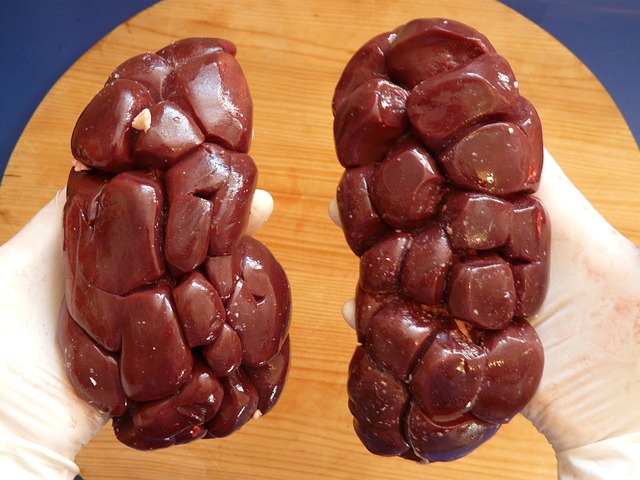
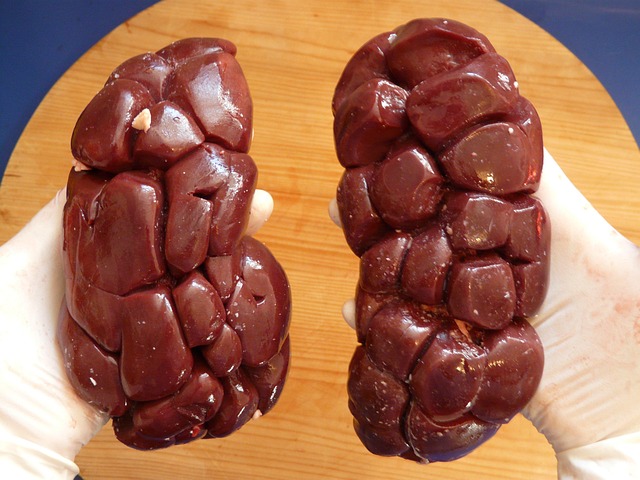
Offal encompasses all the edible parts of an animal that fall outside the standard cuts of muscle meat. This includes liver, heart, kidneys, tongue, tripe (stomach lining), sweetbreads (thymus and pancreas), brain, and various other organs. Historically, these parts were prized across virtually every culinary tradition worldwide. From Scottish haggis to French foie gras, from Mexican tacos de lengua to Chinese hot pot, offal has been central to global gastronomy.
The term itself derives from the Dutch word “afval,” meaning “off fall” or that which falls off during butchering. For investors, this etymology is instructive: offal represents the byproducts of an already-existing supply chain, creating unique economic dynamics that differentiate it from primary meat products.
Current Market Dynamics
The global offal market was valued at approximately $32 billion in 2023 and is projected to grow at a compound annual growth rate (CAGR) of 4.8% through 2030. Several factors drive this growth:
**Emerging Market Demand**: Countries like China, South Korea, and various African nations maintain strong cultural preferences for organ meats. As these economies expand and middle-class populations grow, demand for quality offal products increases correspondingly.
**Nose-to-Tail Movement**: The culinary trend toward whole-animal utilization has gained significant traction in premium restaurant segments. Celebrity chefs and sustainable food advocates have championed offal as both gastronomically interesting and environmentally responsible.
**Pet Food Industry Growth**: A substantial portion of offal production feeds into the rapidly expanding pet food market, particularly the premium segment emphasizing natural, protein-rich formulations.
**Nutritional Renaissance**: Health-conscious consumers are rediscovering the exceptional nutrient density of organ meats. Liver, for instance, contains more bioavailable vitamins and minerals per calorie than virtually any other food source.
Investment Strategies in the Offal Sector
Direct Agricultural Investment
One approach to gaining exposure to the offal market involves direct investment in livestock operations. Cattle, pigs, and poultry all generate offal as a natural byproduct of meat production. By investing in farming operations, investors can capture value from the entire animal, including variety meats that might otherwise represent minimal revenue.
**Key Considerations:**
– Look for operations with established export relationships, particularly to Asian markets where offal commands premium prices
– Evaluate cold chain infrastructure, as organ meats are highly perishable and require sophisticated logistics
– Consider vertically integrated operations that control processing as well as production
Processing and Distribution Companies
The processing segment offers potentially higher margins than raw agricultural production. Companies specializing in offal processing add value through cleaning, portioning, packaging, and distribution. This sector includes both publicly traded food conglomerates and private enterprises.
**Investment Approaches:**
– Publicly traded meat processors often have significant offal operations, though these may not be separately reported in financial statements
– Private equity investments in specialized offal processors can offer more concentrated exposure
– Consider companies with strong relationships to export markets and regulatory compliance for international trade
Export-Oriented Strategies
One of the most compelling aspects of the offal market is the dramatic price differential between Western and Asian markets. Cuts that might sell for minimal prices in the United States or Europe can command substantial premiums when exported to China, Japan, or South Korea.
**Arbitrage Opportunities:**
American beef tongue, for example, might wholesale for $3-4 per pound domestically but fetch $8-12 per pound in Japanese markets where it is prized for yakiniku (grilled meat) preparations. Similar dynamics exist for numerous other cuts across different protein sources.
Investors can capitalize on these differentials through:
– Investment in export-focused processing facilities
– Logistics and cold chain companies serving international offal trade
– Trading companies specializing in meat byproducts
Rendering and Industrial Applications
Beyond human consumption, offal feeds into numerous industrial applications through the rendering industry. Inedible organs and trimmings are processed into:
– Tallow for cosmetics and industrial lubricants
– Bone meal for fertilizers and animal feed
– Collagen for pharmaceutical and cosmetic applications
– Gelatin for food, pharmaceutical, and photographic industries
The rendering sector offers steady, if unspectacular, returns with relatively low correlation to broader market movements. Companies in this space often operate as essential infrastructure for the meat industry, providing consistent cash flows.
Building Passive Income Through Offal Investments
Dividend-Paying Meat Processors
Several major meat processing companies offer dividend yields that can form the foundation of a passive income strategy. While not pure-play offal investments, these companies derive meaningful revenue from variety meats and byproducts.
**Evaluation Criteria:**
– Dividend history and payout ratio sustainability
– Geographic diversification, particularly exposure to high-demand Asian markets
– Vertical integration and processing capabilities
– Regulatory relationships enabling export certification
Real Estate Investment in Processing Facilities
Cold storage and processing facilities represent critical infrastructure for the offal trade. Real estate investment trusts (REITs) specializing in industrial and cold storage properties can provide passive income exposure to this sector.
The growth of e-commerce and direct-to-consumer meat delivery has intensified demand for cold chain infrastructure, supporting rental rate growth for specialized facilities.
Royalty and Licensing Arrangements
Some innovative companies have developed proprietary processing technologies or branded product lines in the offal space. Licensing these technologies or brands can generate ongoing royalty income without operational involvement.
Examples include:
– Patented organ preservation technologies
– Branded ethnic food products featuring traditional offal preparations
– Certified sustainable or humane production standards
Practical Tips for Offal Investment Success

Conduct Thorough Due Diligence
The offal sector involves complex supply chains, regulatory requirements, and cultural factors that demand careful research. Key areas to investigate include:
**Regulatory Environment**: International trade in animal products faces extensive regulation. Understand the certification requirements, inspection protocols, and trade agreements affecting target markets.
**Currency Exposure**: Export-oriented investments carry currency risk. The profitability of selling American offal in Asian markets depends partly on exchange rate movements.
**Disease Risk**: Animal disease outbreaks can devastate offal markets. The African Swine Fever epidemic, for instance, dramatically restructured global pork and pork offal trade patterns. Evaluate biosecurity practices and geographic diversification.
**Cultural Trends**: Consumer preferences evolve. Monitor culinary trends, health research, and cultural attitudes that might affect offal demand.
Diversify Across Protein Sources
Different animal species produce different offal products with varying demand profiles. Beef, pork, poultry, and lamb each have distinct market dynamics:
– **Beef offal** commands premium prices in many Asian markets, particularly for tongue, liver, and intestines
– **Pork offal** sees strong demand in China and throughout Asia, including ears, feet, and various organs
– **Poultry offal** feeds primarily into pet food and rendering, with some culinary applications
– **Lamb offal** is prized in Middle Eastern and Mediterranean cuisines
Diversifying across protein sources reduces exposure to species-specific risks while capturing multiple demand streams.
Consider the Sustainability Narrative
The environmental case for offal consumption is compelling. Utilizing organ meats improves the efficiency of meat production by extracting more value from each animal. This narrative resonates with consumers concerned about food waste and agricultural sustainability.
Investments positioned to capitalize on the sustainability trend may benefit from:
– Premium pricing for products marketed as reducing food waste
– Favorable regulatory treatment as governments promote resource efficiency
– Enhanced brand value and consumer loyalty
Monitor Trade Policy Developments
International trade policy significantly impacts offal markets. Tariffs, quotas, and sanitary regulations can rapidly alter the profitability of export-oriented strategies. Stay informed about:
– Bilateral and multilateral trade negotiations
– Sanitary and phytosanitary standards evolution
– Political relationships between major trading partners
– Retaliatory tariff risks during trade disputes
Risk Factors and Mitigation Strategies
Commodity Price Volatility
Offal prices correlate with broader meat market conditions while also responding to specific demand factors. Mitigation approaches include:
– Hedging through futures markets where available
– Geographic diversification across markets with different demand drivers
– Contractual arrangements that provide price stability
Reputational Considerations
Some investors may face reputational concerns regarding investments in animal agriculture. Evaluate your personal or institutional stance on these issues and consider:
– The sustainability benefits of whole-animal utilization
– Animal welfare certifications and practices
– Transparency in supply chain management
Perishability and Logistics Risk
Organ meats are highly perishable, requiring unbroken cold chains from slaughter to consumption. Infrastructure failures, transportation disruptions, or power outages can result in complete product loss. Evaluate:
– Cold chain infrastructure quality and redundancy
– Insurance coverage for perishable goods
– Geographic concentration of processing facilities
The Future of Offal Investment

Several trends suggest continued growth in offal market opportunities:
**Cellular Agriculture**: Companies developing lab-grown organ meats could disrupt traditional offal production. While primarily focused on muscle meat currently, some startups are exploring cultured organ tissues.
**Functional Foods**: The supplement and functional food industries increasingly recognize organ meats as concentrated nutrient sources. Desiccated liver capsules and similar products represent a growing market segment.
**Culinary Tourism**: Food tourism featuring authentic local cuisine drives offal consumption in destination markets and creates demand for imported specialty products.
**Food Security Concerns**: Global food security challenges may increase interest in efficient protein utilization, benefiting offal consumption.
Conclusion
Offal investment represents an unconventional but potentially rewarding addition to a diversified portfolio. The sector benefits from strong demand in emerging markets, growing sustainability consciousness, and the inherent economics of capturing value from agricultural byproducts.
Success in this space requires thorough understanding of complex supply chains, international trade dynamics, and cultural factors driving demand. Investors should approach offal opportunities with careful due diligence, appropriate diversification, and realistic expectations about both returns and risks.
For those willing to look beyond conventional investment categories, the offal market offers genuine opportunities for both capital appreciation and passive income generation. Whether through direct agricultural investment, processing company equity, real estate exposure, or export-oriented strategies, variety meats provide variety in more ways than one.
The key to success lies in recognizing that what some consider waste, others consider treasure. In the global protein economy, offal occupies a unique position at the intersection of sustainability, cultural tradition, and economic opportunity. Investors who understand these dynamics can position themselves to benefit from a market that, while often overlooked, offers substantive potential for those willing to embrace unconventional thinking.