
Korean Convenience Store Meal Guide: $7 Cheese Tteokbokki & More
Korean convenience stores have revolutionized the way people think about quick, affordable meals. Unlike their Western counterparts that primarily offer snacks and beverages, Korean convenience stores like GS25, CU, and 7-Eleven have become culinary destinations offering restaurant-quality hot meals at incredibly reasonable prices. The star of this affordable dining experience is undoubtedly the cheese tteokbokki, available for around $7, alongside countless other delicious options that make convenience store dining a beloved Korean cultural experience.
Understanding the Basics
Korean convenience store food culture represents a perfect fusion of convenience, quality, and affordability that has captured the hearts of locals and tourists alike. These stores operate 24/7 and feature sophisticated heating systems, refrigerated sections, and even small dining areas where customers can enjoy their meals immediately. The food selection goes far beyond typical convenience store fare, offering everything from Korean traditional dishes like bibimbap and kimbap to Korean-style interpretations of international favorites like pasta and fried chicken.
The cheese tteokbokki stands as the crown jewel of convenience store offerings. This dish features chewy rice cakes swimming in a sweet and spicy gochujang-based sauce, topped with generous amounts of melted mozzarella cheese that creates satisfying cheese pulls with every bite. What makes this particularly remarkable is the consistent quality – each bowl is prepared using standardized recipes and premium ingredients, ensuring that whether you’re in Seoul’s Gangnam district or a small town convenience store, you’ll receive the same delicious experience.
The pricing strategy of Korean convenience stores reflects the country’s commitment to accessible food culture. At approximately $7, a substantial serving of cheese tteokbokki provides excellent value, especially considering the portion size can easily satisfy hunger for several hours. This pricing model has made convenience store dining accessible to students, office workers, and budget-conscious travelers who want to experience authentic Korean flavors without the expense of traditional restaurants.
Key Methods
Step 1: Choosing Your Store and Timing
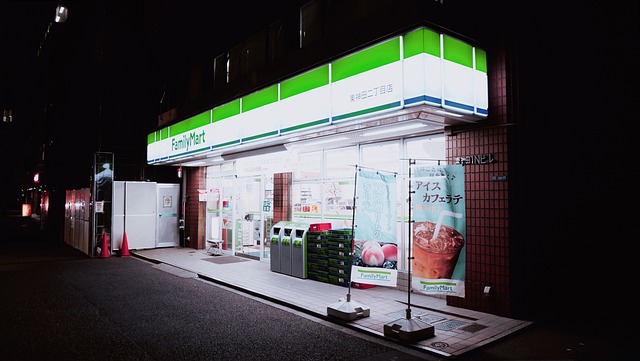
Selecting the right convenience store and timing your visit strategically can significantly enhance your dining experience. Major chains like GS25, CU, 7-Eleven, and Emart24 each offer slightly different selections and specialties, so exploring multiple chains allows you to discover your personal preferences. GS25 often features premium items and collaborations with popular Korean brands, while CU focuses on innovative fusion items that blend Korean and international flavors.
Timing your visit during off-peak hours, typically between 2-4 PM or after 9 PM, ensures fresher food rotation and less crowded dining areas. Many stores receive fresh food deliveries twice daily, so arriving shortly after delivery times guarantees the freshest possible meals. Additionally, some stores offer discounts on items approaching their expiration times, making already affordable meals even more budget-friendly.
The location of the convenience store also matters significantly. Stores in business districts often cater to office workers with more sophisticated meal options and comfortable seating areas, while stores near universities typically focus on hearty, filling options at student-friendly prices. Tourist areas may feature English menus and staff who can provide recommendations, making them ideal for first-time visitors to Korean convenience store culture.
Step 2: Navigation and Ordering Process
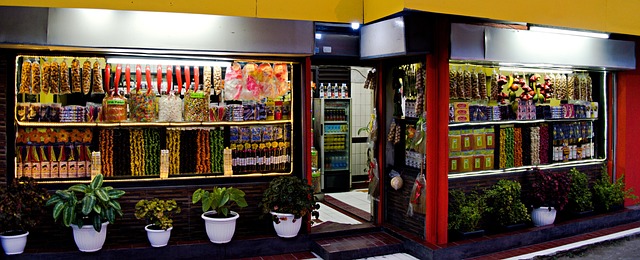
Understanding the layout and ordering process of Korean convenience stores maximizes efficiency and ensures you don’t miss hidden gems. Most stores organize hot foods in designated warming areas, with clear labeling systems using both Korean and increasingly English text. The cheese tteokbokki is typically found in the hot food section, often near other Korean rice cake dishes and Korean-style pasta options.
Payment methods are remarkably flexible, with most stores accepting cash, credit cards, mobile payments, and various Korean payment apps. Some locations offer loyalty programs that provide discounts or free items after certain purchase thresholds, making regular visits even more economical for those staying in Korea for extended periods.
Step 3: Maximizing Your Dining Experience
The final step involves optimizing your actual dining experience to fully appreciate Korean convenience store culture. Most stores provide microwave ovens for additional heating, allowing you to customize the temperature of your cheese tteokbokki to your preference. Some customers prefer extra heating to achieve maximum cheese melt, while others enjoy it at the standard serving temperature to maintain the ideal balance between the sauce and cheese textures.
Pairing your cheese tteokbokki with complementary items creates a more satisfying and well-rounded meal. Popular combinations include crispy chicken nuggets for textural contrast, sweet pickled radish to cleanse the palate between spicy bites, or Korean-style corn dogs for additional indulgence. Many convenience stores also offer an impressive selection of Korean beverages, from traditional options like sikhye (sweet rice drink) to modern favorites like Korean milk tea varieties.
Creating the optimal dining environment involves utilizing the provided seating areas effectively. Most stores offer standing tables, traditional tables, or even outdoor seating depending on location and season. Taking time to properly arrange your meal, using provided utensils and napkins, and disposing of waste properly shows respect for the space and other customers while allowing you to fully immerse yourself in this uniquely Korean dining experience.
Practical Tips
**Tip 1: Master the Art of Customization**
Korean convenience stores often allow subtle customization of their hot food items, particularly cheese tteokbokki. Request extra cheese at no additional cost at many locations, or ask for less spicy sauce if you’re sensitive to heat. Some stores offer additional toppings like green onions, sesame seeds, or even hard-boiled eggs that can transform your basic dish into a more substantial meal. Learning basic Korean phrases like “cheese juseyo” (more cheese please) or “deol maepge” (less spicy) enhances your ordering experience and often results in more generous portions from appreciative staff members.
**Tip 2: Explore Regional and Seasonal Specialties**
Different regions of Korea and different seasons bring unique convenience store offerings that extend far beyond the standard cheese tteokbokki. Summer months often feature cold noodle dishes and refreshing beverages, while winter brings heartier soups and warming foods. Regional specialties reflect local tastes – stores in coastal areas might offer more seafood-based items, while mountain regions feature items incorporating local vegetables and ingredients. Asking staff about “regional specialties” or “seasonal recommendations” often leads to discovering unique items unavailable in other areas.
**Tip 3: Strategic Shopping for Multi-Day Stays**
For visitors staying in Korea for multiple days, developing a strategic approach to convenience store shopping maximizes both variety and value. Many items like kimbap and sandwiches have different expiration dates, allowing you to purchase multiple meals simultaneously while ensuring freshness. Some convenience stores offer bulk discounts or meal deal combinations that provide significant savings when purchasing multiple items together. Creating a rotation schedule of different stores and different meal types prevents palate fatigue while allowing you to experience the full breadth of Korean convenience store offerings.
**Tip 4: Leverage Technology and Apps**
Modern Korean convenience stores increasingly integrate with smartphone apps that offer exclusive discounts, pre-ordering capabilities, and loyalty rewards. Many major chains have English-language apps that allow you to browse menus, check prices, and even locate the nearest store with specific items in stock. Some apps offer mobile payment integration that streamlines the purchasing process and provides additional discounts not available to cash customers. Taking advantage of these technological offerings can significantly enhance convenience and reduce costs over extended stays.
**Tip 5: Social and Cultural Etiquette**
Understanding proper etiquette in Korean convenience stores enhances your experience and shows respect for local culture. This includes properly sorting waste into designated recycling categories, keeping noise levels appropriate for the shared dining space, and being mindful of peak hours when local workers and students rely on these spaces for quick meals. Many stores have unwritten social norms about seating arrangements and duration of stay – observing and following these practices demonstrates cultural awareness and often results in warmer interactions with both staff and other customers.
Important Considerations
While Korean convenience store dining offers remarkable value and convenience, several important considerations ensure safe and enjoyable experiences. Food safety standards in Korean convenience stores are generally excellent, but understanding expiration date systems and proper heating procedures prevents any potential issues. Korean food labeling uses specific date formats and terminology that may differ from international standards, so familiarizing yourself with these systems or asking for clarification ensures you’re consuming food at optimal freshness.
Spice levels in Korean convenience store food can be significantly higher than international visitors expect, particularly in items like cheese tteokbokki that feature gochujang-based sauces. Starting with smaller portions or asking about spice levels prevents overwhelming experiences and allows gradual acclimation to Korean flavor profiles. Many stores offer milder alternatives or provide dairy products that can help moderate spice intensity when needed.
Dietary restrictions and allergies require special attention in Korean convenience stores, as ingredient labels may only be available in Korean and cross-contamination can occur in shared heating equipment. Common allergens like nuts, dairy, and seafood appear in unexpected items, so consulting staff or using translation apps to verify ingredients is essential for those with serious dietary restrictions. Many stores now offer vegetarian and vegan options, but these may not be clearly marked, requiring additional research or inquiry.
Conclusion
Korean convenience store dining, exemplified by the beloved $7 cheese tteokbokki, represents a unique cultural phenomenon that successfully balances affordability, quality, and convenience in ways that few other countries have achieved. This dining culture reflects broader Korean values of accessibility, innovation, and community, creating spaces where people from all walks of life can enjoy satisfying meals without significant financial burden or time investment.
The cheese tteokbokki serves as an perfect introduction to Korean convenience store culture, offering familiar comfort food elements like melted cheese alongside distinctly Korean flavors and textures that create memorable culinary experiences. Beyond this signature dish, the vast array of available options ensures that convenience store dining can accommodate diverse tastes, dietary preferences, and budget considerations while maintaining consistently high quality standards.
Whether you’re a short-term visitor seeking affordable authentic Korean food or someone interested in understanding modern Korean culture, convenience store dining offers accessible entry points into Korean society. The $7 cheese tteokbokki and countless other options await discovery, promising delicious, affordable, and authentically Korean experiences that will enhance any visit to this remarkable country.