

NASA Astronauts: Investing in Space Careers and Building Passive Income from Aerospace Expertise
The journey to becoming a NASA astronaut represents one of the most exclusive career paths in human history. With acceptance rates lower than 0.04%, these elite professionals undergo rigorous selection processes that demand exceptional physical fitness, advanced degrees, and years of specialized experience. However, beyond the obvious prestige, there exists a fascinating intersection between the astronaut career path and financial opportunity. This comprehensive guide explores how aerospace professionals can leverage their expertise for long-term wealth building and passive income generation.
Understanding the NASA Astronaut Career Path
Selection and Compensation Overview
NASA astronauts are federal employees classified under the General Schedule (GS) pay scale, typically starting at GS-12 or GS-13 levels. As of recent data, base salaries range from approximately $66,000 to over $150,000 annually, depending on experience and grade level. While this compensation is respectable, it pales in comparison to private sector alternatives for individuals with similar qualifications—typically holding advanced degrees in engineering, medicine, or science, combined with thousands of hours of flight experience.
This creates an interesting financial paradox: astronauts possess extraordinarily valuable skills but choose a career path that prioritizes mission over monetary gain. Understanding this dynamic is crucial for anyone considering aerospace careers or seeking to build wealth within this industry.
The Hidden Value of Astronaut Experience
What many fail to recognize is the exponential value that astronaut experience creates after active service. Former NASA astronauts command premium rates as:
– Corporate consultants
– Keynote speakers
– Board members for aerospace companies
– Technical advisors for film and media productions
– Authors and content creators
This post-career value proposition represents a significant passive income opportunity that begins accumulating during active service.
Investment Strategies for Aerospace Professionals

Building a Space-Focused Investment Portfolio
For those working within NASA or the broader aerospace industry, developing investment literacy around space-related assets offers unique advantages. Industry insiders possess valuable context for evaluating companies, technologies, and market trends.
#### Exchange-Traded Funds (ETFs) for Space Exposure
Several ETFs now provide exposure to the space economy:
1. **Diversified Space ETFs** – These funds track companies involved in satellite communications, rocket manufacturing, space exploration, and related technologies. The advantage lies in broad exposure without requiring individual stock selection.
2. **Aerospace and Defense ETFs** – Traditional defense-focused funds often include significant space exposure through major contractors like Lockheed Martin, Northrop Grumman, and Boeing.
3. **Technology-Adjacent Funds** – Many space technologies overlap with broader tech sectors, including semiconductor, communications, and materials science ETFs.
#### Direct Stock Investment Considerations
Aerospace professionals must navigate insider trading regulations carefully. Federal employees with access to non-public information about contracts, missions, or technology developments face strict limitations on trading related securities. Key compliance strategies include:
– Maintaining detailed records of investment decisions and rationale
– Consulting with ethics officers before significant trades
– Focusing on diversified funds rather than individual contractors
– Implementing systematic investment plans that remove timing decisions
Real Estate Investment Strategies Near Space Hubs
Geographic concentration of space industry creates unique real estate opportunities. Major hubs include:
**Houston, Texas (Johnson Space Center)**
– Strong rental demand from contractors and visiting personnel
– Relatively affordable compared to coastal tech hubs
– Consistent appreciation driven by energy and aerospace sectors
**Cape Canaveral/Melbourne, Florida (Kennedy Space Center)**
– Growing commercial launch activity driving housing demand
– Tourism-related rental income opportunities
– Waterfront properties with unique viewing potential
**Huntsville, Alabama (Marshall Space Flight Center)**
– Rapidly growing tech ecosystem
– Low cost of living with high-income resident population
– Strong appreciation potential as industry expands
**Los Angeles Basin (JPL and Commercial Sector)**
– SpaceX, Virgin Orbit, and numerous startups
– Premium pricing but strong rental yields
– Commercial property opportunities in industrial zones
#### Practical Real Estate Investment Approaches
For aerospace professionals seeking passive income through real estate:
1. **House Hacking Near Training Facilities** – Purchasing multi-unit properties near NASA centers and living in one unit while renting others to fellow employees or contractors.
2. **Short-Term Rentals for Launch Events** – Properties near launch sites can generate significant income during major missions when hotels reach capacity.
3. **REITs with Aerospace Exposure** – Real Estate Investment Trusts focusing on industrial properties, data centers, and technology parks often include aerospace-relevant holdings.
Passive Income Streams from Aerospace Expertise
Intellectual Property and Content Creation
Former and current aerospace professionals possess knowledge that commands premium value in multiple content markets:
#### Publishing and Writing
– **Technical Books** – Aerospace engineering textbooks, flight manuals, and technical references generate ongoing royalties
– **Popular Science Books** – Accessible explanations of space technology reach broader audiences
– **Children’s Books** – Space-themed educational content remains perpetually popular
– **Ghostwriting and Consulting** – Providing technical accuracy reviews for other authors
#### Online Course Development
The e-learning market offers substantial passive income potential:
– Aerospace engineering fundamentals courses
– Space mission planning and operations
– STEM education content for K-12 audiences
– Professional development for aerospace industry workers
Platforms like Udemy, Coursera, and Skillshare provide distribution, while self-hosted courses offer higher margins for established experts.
#### YouTube and Podcast Revenue
Space content consistently ranks among the most engaging educational material online. Channels explaining rocket science, mission profiles, and space history can generate revenue through:
– Advertising revenue share
– Sponsorships from aerospace companies
– Patreon and membership programs
– Merchandise sales
Consulting and Advisory Roles
Building a consulting practice while employed requires careful navigation of conflict-of-interest regulations, but post-career opportunities are substantial:
#### Corporate Advisory Services
Major corporations increasingly seek space expertise for:
– Strategic planning around satellite infrastructure
– Risk assessment for space-dependent operations
– Technology evaluation and due diligence
– Board participation and governance
#### Startup Ecosystem Participation
The commercial space sector has attracted over $200 billion in private investment over the past decade. Former NASA personnel provide credibility and expertise that startups desperately need:
– **Advisory Equity** – Exchanging expertise for equity stakes in early-stage companies
– **Angel Investing** – Direct investment in space startups with advantageous deal access
– **Venture Capital Roles** – Some former astronauts and engineers transition to investment firms specializing in aerospace
Speaking and Appearances
Public speaking represents one of the highest-return activities for former astronauts:
#### Fee Structures
– Corporate keynotes: $25,000 – $100,000+
– Conference presentations: $10,000 – $50,000
– Virtual appearances: $5,000 – $25,000
– Educational programs: Variable, often subsidized
#### Building Speaking Revenue into Passive Income
While speaking itself requires active participation, strategic approaches can create more passive elements:
– Developing recorded presentations for licensing
– Creating speaking bureaus that handle booking and logistics
– Training other speakers to deliver your content
– Building evergreen webinar series with recurring enrollment
Long-Term Wealth Building Strategies

Leveraging Federal Benefits
NASA employees have access to valuable federal benefits that should factor into overall financial planning:
#### Thrift Savings Plan (TSP)
The TSP offers some of the lowest expense ratios available in any retirement vehicle:
– **Lifecycle Funds** – Target-date funds for hands-off investing
– **C Fund** – S&P 500 index tracking
– **S Fund** – Small and mid-cap exposure
– **I Fund** – International developed markets
– **G Fund** – Government securities for stability
Maximizing TSP contributions, especially during early career years, creates substantial long-term wealth through compound growth.
#### Federal Employees Retirement System (FERS)
The FERS pension provides guaranteed lifetime income based on years of service and highest salary years. Understanding how this pension integrates with other retirement planning is essential for optimizing overall strategy.
#### Health Benefits and Insurance
Federal health benefits continue into retirement, representing substantial value that should factor into any comparison with private sector alternatives.
Tax-Advantaged Investment Vehicles
Beyond TSP, aerospace professionals should consider:
– **Roth IRA conversions** – Particularly valuable during sabbatical years or transitions
– **Health Savings Accounts (HSA)** – Triple tax advantage for long-term medical expense planning
– **529 Plans** – Education savings for children, with compound growth potential
– **Taxable brokerage accounts** – For additional saving beyond tax-advantaged limits
Diversification Beyond Aerospace
While industry expertise creates advantages in space-related investments, prudent portfolio construction requires diversification:
– Geographic diversification across global markets
– Asset class diversification including bonds, real estate, and alternatives
– Sector diversification to reduce concentration risk
– Time diversification through consistent, long-term investing
Practical Tips for Building Wealth in Aerospace Careers
During Active Service
1. **Live below your means** – Avoid lifestyle inflation despite prestigious position
2. **Maximize TSP contributions** – At minimum, capture full employer match
3. **Document everything** – Photos, experiences, and stories become valuable assets
4. **Build relationships strategically** – Industry connections enable future opportunities
5. **Develop public speaking skills** – Join Toastmasters or seek presentation opportunities
6. **Start content creation early** – Build audience before needing income from it
7. **Maintain security clearance eligibility** – This credential has significant career value
Transitioning to Post-NASA Careers
1. **Plan transition 2-3 years before departure** – Build relationships and identify opportunities
2. **Establish LLC or consulting entity** – Create infrastructure for advisory work
3. **Develop signature presentation** – Refine your most compelling stories and insights
4. **Build media presence** – Social media following increases speaking fees and book advances
5. **Connect with speakers bureaus** – Professional representation increases booking volume
6. **Consider academic appointments** – University positions offer stability with flexibility
Long-Term Wealth Preservation
1. **Work with specialized financial advisors** – Find advisors experienced with federal employees
2. **Estate planning** – Protect accumulated wealth for future generations
3. **Insurance review** – Ensure adequate coverage during high-risk activities
4. **Tax planning** – Optimize timing of income recognition and deductions
5. **Charitable giving strategies** – Donor-advised funds and charitable trusts offer tax efficiency
The Future of Space Economy Investing
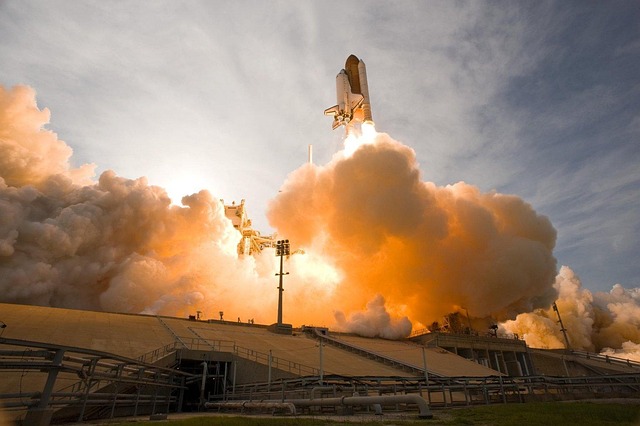
The space economy is projected to reach $1 trillion by 2040, creating unprecedented investment opportunities:
Emerging Investment Categories
– **Space tourism** – Consumer space travel infrastructure
– **Satellite constellations** – Communications, imaging, and internet services
– **Space manufacturing** – Microgravity production facilities
– **Asteroid mining** – Long-term resource extraction potential
– **Lunar economy** – Infrastructure supporting permanent moon presence
Risk Considerations
Space investing carries unique risks requiring careful consideration:
– Technical risk from launch failures and equipment malfunctions
– Regulatory risk from government policy changes
– Competition risk from rapid industry evolution
– Timing risk from long development cycles
– Market risk from speculative valuations
Conclusion
The path to becoming a NASA astronaut represents far more than a career choice—it’s an investment in a unique form of human capital that generates returns throughout a lifetime. While active service salaries may seem modest compared to private sector alternatives for similarly qualified professionals, the long-term value proposition extends far beyond the paycheck.
Aerospace professionals who approach their careers with financial intentionality can build substantial wealth through strategic investing in space-related assets, real estate near industry hubs, intellectual property development, and positioning for lucrative post-career opportunities. The key lies in recognizing that astronaut experience, industry expertise, and professional networks represent appreciating assets that can be monetized in multiple ways over decades.
For those drawn to space exploration, the financial trade-offs need not be permanent sacrifices. By maximizing federal benefits, building diversified investment portfolios, creating passive income streams from expertise, and planning strategically for career transitions, aerospace professionals can achieve both the fulfillment of contributing to humanity’s greatest adventures and the financial security that enables lasting prosperity.
The space economy’s expansion creates unprecedented opportunities for those with authentic expertise and experience. Whether through direct investment, consulting, content creation, or speaking, the knowledge gained through NASA service becomes increasingly valuable as commercial space activity accelerates. The astronauts who recognize and prepare for these opportunities position themselves not just as explorers of the cosmos, but as architects of their own financial futures.