
# NASA’s 23rd Cargo Mission: Key Science Experiments to ISS
NASA’s partnership with Northrop Grumman continues to advance scientific discovery as the aerospace company prepares for its 23rd commercial resupply mission to the International Space Station. This mission represents a critical component in maintaining continuous scientific research in the unique microgravity environment of space.
## Understanding the Basics
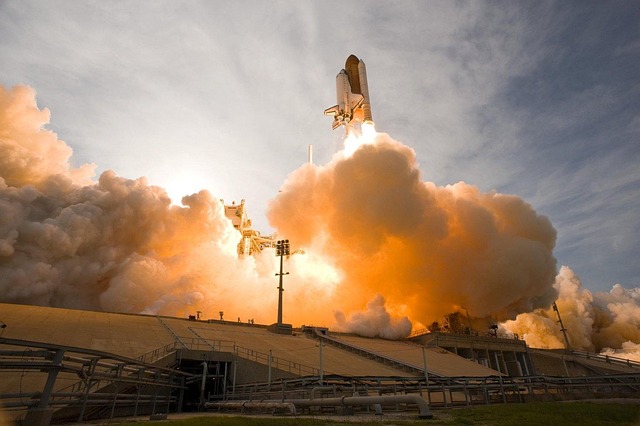
The Northrop Grumman’s 23rd cargo resupply mission, designated NG-23, exemplifies the vital role that commercial partnerships play in sustaining humanity’s presence in space. These missions deliver essential supplies, equipment, and cutting-edge scientific experiments to the International Space Station, where astronauts conduct research that cannot be replicated on Earth. The microgravity environment aboard the ISS provides scientists with unprecedented opportunities to study physical and biological phenomena without the constant influence of Earth’s gravity.
Each cargo mission carries approximately 8,200 pounds of science investigations, crew supplies, and vehicle hardware. The scientific payload includes experiments ranging from protein crystal growth studies to advanced materials testing. These investigations contribute to our understanding of fundamental scientific principles while potentially leading to breakthroughs in medicine, materials science, and technology development. The experiments launching aboard NG-23 specifically focus on areas including pharmaceutical development, advanced manufacturing techniques, and biological research that could benefit life on Earth.
The Cygnus spacecraft, Northrop Grumman’s workhorse for these missions, has proven itself as a reliable cargo vehicle. After launching atop an Antares rocket from NASA’s Wallops Flight Facility in Virginia, the spacecraft autonomously navigates to the ISS, where it is captured by the station’s robotic arm and berthed to the Unity module. This sophisticated dance in space demonstrates the remarkable precision of modern spaceflight operations.
## Key Methods
### Step 1: Pre-Launch Preparation and Payload Integration
The journey of scientific experiments to the ISS begins months before launch with meticulous preparation and testing. Scientists and engineers work collaboratively to ensure their experiments can withstand the rigorous conditions of spaceflight, including intense vibrations during launch and the transition to microgravity. Each experiment undergoes extensive validation to confirm it meets NASA’s strict safety requirements and can operate within the constraints of the space station’s resources.
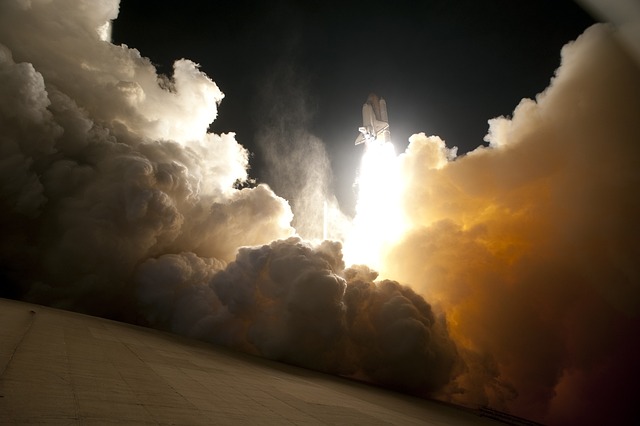
The integration process involves carefully loading time-sensitive biological samples, calibrating scientific instruments, and securing all materials within specialized containers. Temperature-sensitive experiments require particular attention, as they must remain within specific ranges throughout the journey to space. The late-load capability of the Cygnus spacecraft allows scientists to install certain experiments just hours before launch, ensuring the freshest possible samples reach the ISS crew.
### Step 2: Launch and Orbital Insertion
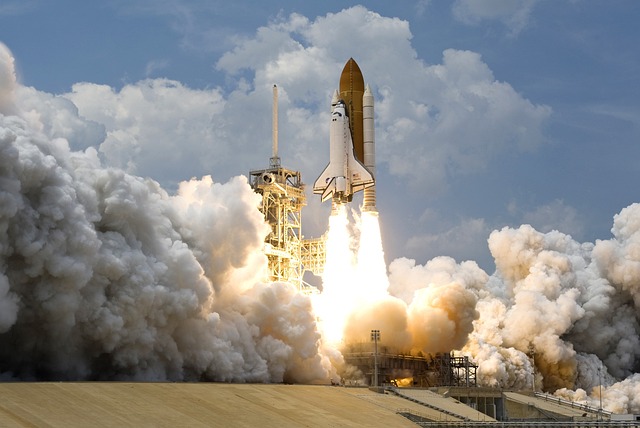
The launch phase represents one of the most critical moments in the mission timeline. The Antares rocket, specifically designed for the Cygnus spacecraft, provides the necessary thrust to escape Earth’s gravitational pull and achieve orbital velocity. During the approximately nine-minute journey to orbit, the vehicle experiences forces up to three times Earth’s gravity, requiring all cargo to be securely fastened and protected.
Once the Cygnus spacecraft separates from the rocket’s upper stage, it deploys its solar arrays and begins its autonomous journey to the ISS. The spacecraft utilizes GPS navigation and star trackers to determine its position and orientation in space. Ground controllers monitor every aspect of the vehicle’s health and trajectory, ready to intervene if necessary. The rendezvous with the ISS typically occurs about two days after launch, during which time the spacecraft performs a series of orbital maneuvers to match the station’s altitude and velocity.
### Step 3: Berthing and Experiment Activation
The final approach to the ISS requires exceptional precision as the Cygnus spacecraft slowly approaches the massive orbital laboratory traveling at approximately 17,500 miles per hour. When the spacecraft reaches a position about 30 feet from the station, it holds its position while astronauts operating the Canadarm2 robotic arm capture it and guide it to its berthing port. This delicate operation showcases the remarkable coordination between human operators and automated systems.
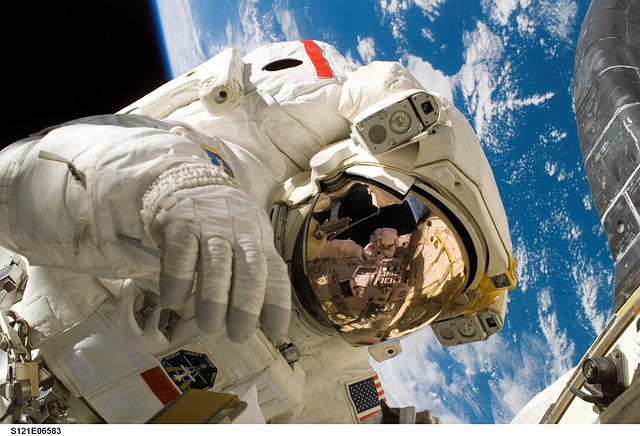
Following successful berthing, the crew conducts leak checks before opening the hatch to access the newly arrived cargo. Time-critical experiments receive immediate attention, with astronauts quickly transferring biological samples to appropriate storage facilities or beginning experimental procedures. The activation of scientific equipment follows detailed protocols developed by researchers on Earth, ensuring that valuable microgravity research time is maximized. Some experiments begin collecting data automatically, while others require hands-on manipulation by the crew members who have trained extensively for these specific tasks.
## Practical Tips
**Tracking Scientific Progress**: The experiments launching on these missions often take months or years to complete. Interested individuals can follow research progress through NASA’s Space Station Research Explorer database, which provides detailed information about ongoing investigations. Many principal investigators share updates through scientific publications and conference presentations, offering insights into how space-based research translates to terrestrial applications.
**Educational Opportunities**: Students and educators can engage with ISS research through various NASA educational programs. The Student Spaceflight Experiments Program allows students to design experiments for spaceflight, while the ISS National Laboratory offers resources for incorporating space science into curricula. These programs demonstrate how cargo missions like NG-23 inspire the next generation of scientists and engineers.
**Technology Development Insights**: Commercial cargo missions serve as testbeds for emerging space technologies. Innovations in spacecraft design, life support systems, and scientific equipment developed for these missions often find applications in other space exploration endeavors. Following the technological aspects of these missions provides valuable insights into the future of space exploration.
**International Collaboration Benefits**: The ISS represents one of humanity’s greatest collaborative achievements, with cargo missions supporting research from multiple nations. Understanding how these missions facilitate international scientific cooperation highlights the diplomatic and cultural benefits of space exploration beyond pure scientific advancement.
## Important Considerations
While celebrating the achievements of commercial cargo missions, it’s essential to recognize the inherent challenges and risks involved in spaceflight operations. Every mission faces potential hazards, from launch vehicle anomalies to docking complications. The loss of previous cargo missions has demonstrated that space exploration remains a demanding endeavor requiring constant vigilance and continuous improvement in safety protocols.
The scientific experiments aboard these missions must contend with unique constraints including limited crew time, power restrictions, and the challenges of working in microgravity. Researchers must design their experiments to be as automated as possible while remaining flexible enough to accommodate unexpected situations. The inability to easily return samples to Earth except during crew rotation missions means that some experiments must be completed entirely on-station, requiring sophisticated analytical equipment to be launched and maintained in space.
## Conclusion