
# Nickel Ore Identification Guide: What Does Raw Nickel Look Like?
**Nickel is an important subject that many people are interested in learning about.**
## Understanding the Basics
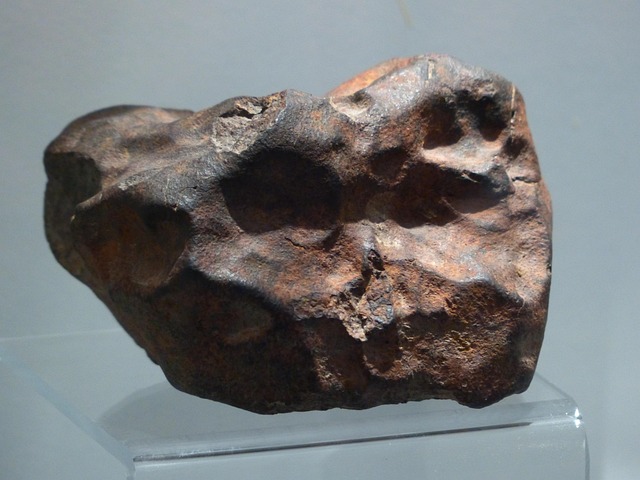
Nickel ore identification is a crucial skill for geologists, miners, and mineral enthusiasts alike. Raw nickel rarely appears in its pure metallic form in nature, instead occurring primarily as sulfide and oxide minerals that require careful examination to identify properly. The most common nickel-bearing minerals include pentlandite, pyrrhotite, garnierite, and laterite deposits, each with distinctive visual characteristics that can help distinguish them from other metallic ores.
Nickel ores typically exhibit a range of colors from yellowish-bronze to dark metallic gray, often with a distinctive magnetic properties that set them apart from similar-looking minerals. The appearance can vary significantly depending on the geological formation and associated minerals present in the deposit. Fresh nickel ore surfaces often display a bright metallic luster, while weathered surfaces may appear dull or develop a greenish patina due to oxidation processes over time.
Understanding the geological context is essential for proper identification, as nickel deposits form under specific conditions. Magmatic sulfide deposits typically occur in ultramafic igneous rocks, while lateritic nickel deposits develop through tropical weathering of ultramafic rocks. The formation process directly influences the ore’s appearance, with magmatic deposits generally showing more metallic characteristics and lateritic deposits appearing more earthy and oxidized.

## Key Methods
### Step 1: Visual Examination and Color Assessment
The first step in nickel ore identification involves careful visual examination of the specimen’s color, luster, and overall appearance. Fresh nickel sulfide ores, particularly pentlandite, typically display a bronze-yellow to brass-yellow color with a strong metallic luster when freshly broken. This distinctive coloration is one of the most reliable initial indicators of nickel-bearing minerals. However, surface weathering can significantly alter these colors, creating green, brown, or black oxidation coatings that may obscure the underlying mineral.

When examining the specimen, look for areas where the rock has been recently broken or scratched to reveal fresh mineral surfaces. The streak test, performed by scratching the mineral across an unglazed ceramic plate, can provide additional color information. Nickel sulfides typically produce a dark gray to black streak, while nickel silicates may show green or brown streaks. Pay particular attention to the grain size and crystal habits, as these features can help distinguish between different nickel minerals and their host rocks.
### Step 2: Physical Property Testing
Physical property testing provides crucial diagnostic information for nickel ore identification. One of the most distinctive characteristics of many nickel-bearing minerals is their magnetic properties. Pyrrhotite, a common nickel-associated mineral, exhibits strong magnetism that can be detected with a simple hand magnet. Pentlandite shows weaker magnetic attraction, while garnierite and other nickel silicates are typically non-magnetic.

Hardness testing using the Mohs scale helps narrow down mineral identification. Nickel sulfides generally range from 3.5 to 4 on the Mohs scale, making them softer than many common rock-forming minerals. Specific gravity measurements can also be diagnostic, as nickel ores are typically denser than average crustal rocks due to their metallic content. The density ranges from approximately 4.6 to 5.0 g/cm³ for sulfide ores and 2.3 to 2.8 g/cm³ for lateritic deposits.
### Step 3: Chemical and Advanced Testing Methods
Advanced identification techniques become necessary when visual and physical methods are inconclusive. Flame testing can provide preliminary chemical confirmation, as nickel compounds produce a characteristic green flame coloration when heated. However, this method should only be performed by experienced individuals following proper safety protocols, as some nickel compounds can be toxic when heated.

X-ray fluorescence (XRF) spectroscopy offers definitive chemical analysis, providing precise nickel content percentages and identifying associated elements. This non-destructive method is particularly valuable for evaluating ore grade and economic potential. Microscopic examination of polished sections under reflected light can reveal diagnostic textural relationships and mineral associations that confirm nickel ore identification. Professional assaying services can provide detailed chemical analysis when precise nickel content determination is required for commercial purposes.
## Practical Tips
**Tip 1: Surface Preparation and Fresh Breaks**
Always examine freshly broken surfaces when possible, as weathered surfaces can be misleading. Carry a small geological hammer to create fresh breaks in the field. Clean the surface with water or a brush to remove dust and debris that might obscure mineral characteristics. Look for the characteristic metallic luster and color of fresh nickel minerals, particularly the bronze-yellow appearance of pentlandite or the silvery-white color of native nickel when present.
**Tip 2: Magnetic Testing Techniques**
Use a strong neodymium magnet suspended on a string to test magnetic properties effectively. Pyrrhotite will be strongly attracted to the magnet, while pentlandite shows weaker magnetic response. Non-magnetic nickel minerals like garnierite require alternative identification methods. Always test multiple areas of the specimen, as magnetic properties can vary within a single sample due to mineral zoning or alteration.
**Tip 3: Association Mineral Recognition**
Learn to identify common minerals associated with nickel deposits. Chromite, olivine, serpentine, and talc frequently occur with nickel ores and can indicate favorable geological environments. In lateritic deposits, look for iron oxides, clay minerals, and silica that form during the weathering process. Understanding these mineral associations helps confirm nickel ore identification and assess deposit potential.
**Tip 4: Field Equipment and Documentation**
Maintain a comprehensive field kit including magnifying glass, magnet, hardness picks, streak plate, and pH testing strips for lateritic deposits. Document findings with detailed notes, photographs, and GPS coordinates. Record geological context, host rock types, structural features, and any visible alteration patterns. This documentation proves invaluable for later analysis and potential economic evaluation.
**Tip 5: Safety Considerations and Handling**
Always wear appropriate safety equipment including safety glasses, gloves, and dust masks when handling potentially nickel-bearing specimens. Some nickel compounds can cause allergic reactions or respiratory issues. Avoid creating excessive dust during testing, and work in well-ventilated areas. Store specimens properly labeled and away from living areas, particularly if they contain sulfide minerals that may produce harmful gases when weathered.
## Important Considerations
Safety should always be the primary consideration when identifying and handling nickel ores. Nickel compounds can cause serious health issues including contact dermatitis, respiratory problems, and in some cases, more severe health complications with prolonged exposure. Always wear protective equipment including gloves, safety glasses, and appropriate respiratory protection when handling specimens or creating rock dust through testing procedures.
Environmental factors significantly influence nickel ore appearance and must be considered during identification. Weathering processes can completely alter the surface appearance of nickel minerals, creating oxidation products that bear little resemblance to the original ore. In tropical climates, lateritic weathering can transform sulfide ores into complex oxide and silicate assemblages with entirely different visual characteristics. Understanding the local geological and climatic history helps interpret observed mineral appearances correctly.
## Conclusion
Successful nickel ore identification requires a systematic approach combining visual examination, physical property testing, and chemical analysis when necessary. The distinctive bronze-yellow color of fresh pentlandite, magnetic properties of associated pyrrhotite, and characteristic geological settings provide reliable identification criteria for most nickel deposits. However, surface weathering and alteration can significantly complicate identification, making fresh sample preparation and multiple testing methods essential.
Developing proficiency in nickel ore identification takes practice and experience with various deposit types and geological settings. Start with known specimens when possible to develop recognition skills before attempting field identification of unknown materials. Remember that definitive identification often requires professional analysis, particularly for low-grade ores or heavily altered specimens where visual characteristics may be ambiguous.
The economic significance of nickel makes accurate identification skills valuable for both professional geologists and mineral enthusiasts. As global demand for nickel continues to grow, driven by battery technology and stainless steel production, understanding how to recognize potential nickel deposits becomes increasingly important. Continue learning about regional geology, mineral associations, and modern analytical techniques to improve identification accuracy and develop expertise in this critical mineral commodity.