
Russian Jets Near Alaska: US Fighter Jets Intercept Military Aircraft
Russian military aircraft activity near Alaska has become a recurring topic of international concern, highlighting the complex dynamics of modern aerial surveillance and territorial defense. The interception of Russian jets by US fighter aircraft represents a critical aspect of North American aerospace defense operations that requires careful understanding of both military protocols and geopolitical implications.
Understanding the Basics
The North American Aerospace Defense Command (NORAD) maintains constant vigilance over North American airspace, particularly in regions where Russian aircraft frequently conduct routine patrols near international boundaries. These interceptions occur primarily in the Alaska Air Defense Identification Zone (ADIZ), a buffer zone extending beyond US territorial airspace where aircraft must identify themselves to avoid potential security concerns.
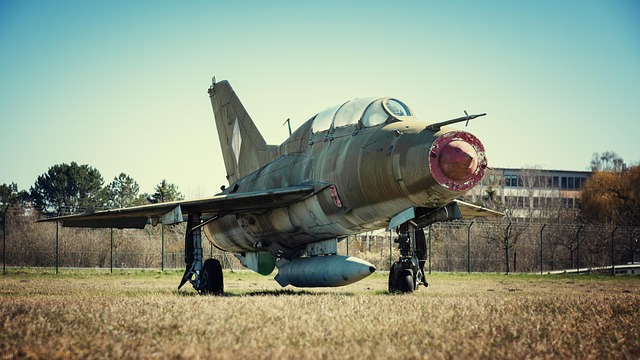
Russian aircraft, typically consisting of Tu-95 Bear bombers, Su-35 fighters, or reconnaissance planes, regularly approach the 12-mile territorial limit around Alaska as part of their long-range patrol missions. These flights serve multiple purposes: testing US response times, gathering electronic intelligence, demonstrating military capability, and maintaining pilot proficiency in long-duration flights over Arctic conditions.
US response protocols involve scrambling F-22 Raptors or F-35 Lightning II fighters from Joint Base Elmendorf-Richardson or other strategic locations. These intercepts are typically conducted professionally, with American pilots establishing visual contact, photographing the Russian aircraft, and ensuring they remain in international airspace. The entire process follows established international aviation protocols designed to prevent misunderstandings that could escalate into serious incidents.
The frequency of these encounters has increased significantly since 2014, correlating with deteriorating US-Russia relations and Russia’s renewed focus on Arctic territorial claims. Climate change has opened new shipping routes and resource extraction opportunities in the Arctic, making the region increasingly strategically important for both nations.
Key Methods
Step 1: Detection and Identification

Once detected, air traffic controllers attempt radio communication with the unidentified aircraft, requesting identification and flight intentions. Russian military aircraft typically maintain radio silence during these encounters, following their operational security protocols. This silence triggers escalated response procedures, including the scrambling of interceptor aircraft to make visual identification and ensure compliance with international airspace boundaries.
The coordination between Canadian and US forces through NORAD demonstrates the integrated nature of North American aerospace defense. Information sharing occurs in real-time, with both nations’ military commands receiving updates on aircraft positions, headings, and potential threat assessments throughout the interception process.
Step 2: Fighter Aircraft Deployment

Upon confirmation of potentially threatening aircraft, NORAD commanders authorize the launch of interceptor fighters, typically maintaining at least two aircraft per mission for safety and tactical effectiveness. F-22 Raptors, with their advanced stealth capabilities and superior performance characteristics, represent the primary interceptor force for these missions, though F-35s and older F-16s may also participate depending on availability and specific mission requirements.
The interceptor pilots receive detailed briefings on the incoming aircraft’s last known position, altitude, heading, and estimated time to territorial boundaries. Flight plans are rapidly calculated to achieve intercept positions that allow for safe visual identification while maintaining tactical advantage. Pilots must balance aggressive positioning with careful adherence to international law, ensuring their actions cannot be interpreted as provocative or threatening.
Communication between ground controllers and airborne interceptors remains constant throughout the mission, with updates on target positions, weather conditions, and any changes in the tactical situation. Pilots document the encounter through photographs and detailed reports, creating permanent records for intelligence analysis and diplomatic reference if needed.
Step 3: Intercept Execution and Documentation
The actual intercept typically occurs at altitudes between 25,000 and 40,000 feet, with US fighters approaching from positions that provide clear visual identification opportunities while maintaining safe separation distances. Pilots position their aircraft to photograph the Russian planes, documenting aircraft types, numbers, external equipment, and any unusual modifications or weapons configurations.
Post-intercept procedures include immediate debriefing with intelligence officers, submission of detailed mission reports, and analysis of collected photographic evidence. This information contributes to ongoing assessments of Russian military capabilities, operational patterns, and strategic intentions in the Arctic region.
Practical Tips
**Monitor Official Sources**: Follow NORAD and Department of Defense press releases for accurate information about intercept activities, as media reports sometimes contain inaccuracies or sensationalized details. Official military sources provide factual accounts of these encounters without speculation about political implications. Understanding the difference between routine intercepts and unusual incidents helps maintain proper perspective on these military activities.
**Understand International Airspace Laws**: Familiarize yourself with the legal framework governing international airspace, including the 12-mile territorial limit and the concept of Air Defense Identification Zones. These legal boundaries determine when aircraft must identify themselves and under what circumstances military intercepts are justified. Knowledge of these laws helps evaluate whether specific incidents represent normal operations or potential violations.
**Recognize Routine vs. Concerning Activity**: Learn to distinguish between routine Russian patrol flights and potentially threatening behavior patterns. Regular long-range flights following predictable routes represent normal military training activities, while sudden course changes toward sensitive installations or unusual flight patterns might indicate more serious concerns requiring enhanced response measures.
**Appreciate Technical Capabilities**: Understanding the capabilities of both Russian and US aircraft involved in these encounters provides context for evaluating the strategic implications of these interactions. Modern fighter aircraft possess sophisticated sensors and communication systems that allow for detailed intelligence gathering during intercept missions, making these encounters valuable for both military assessment and diplomatic signaling.
**Consider Weather and Seasonal Factors**: Arctic weather conditions significantly impact both Russian patrol schedules and US intercept operations, with certain times of year seeing increased activity due to favorable flying conditions or specific training cycles. Understanding these patterns helps explain variations in intercept frequency and timing throughout the year.
Important Considerations
These intercept operations carry inherent risks that military planners must carefully manage to prevent accidental escalation into serious international incidents. High-speed aircraft operating in close proximity under potentially challenging weather conditions require exceptional pilot skill and precise coordination between multiple military organizations. Any miscommunication or equipment failure could transform a routine intercept into a dangerous confrontation with serious diplomatic consequences.
The professional conduct of both US and Russian aircrews during these encounters demonstrates the importance of established protocols and mutual respect for international aviation safety standards. Despite political tensions between the two nations, military personnel on both sides typically maintain professional behavior that prevents these routine encounters from escalating into more serious confrontations. This professional approach reflects decades of experience in managing similar situations during the Cold War period.
Intelligence gathering aspects of these intercepts provide valuable information about Russian military capabilities, operational patterns, and strategic intentions in the Arctic region. However, this intelligence collection must be balanced against the need to avoid provocative behavior that could be interpreted as aggressive or threatening by Russian military commanders.
Conclusion
Russian jet intercepts near Alaska represent a complex intersection of military necessity, international law, and diplomatic signaling that requires careful management by both nations involved. These encounters demonstrate the ongoing importance of professional military conduct in preventing misunderstandings that could escalate into serious international incidents. The frequency and routine nature of these intercepts reflect the strategic importance of the Arctic region and the continuing need for vigilant aerospace defense.
Understanding these operations helps citizens appreciate the challenges facing military personnel tasked with protecting national airspace while maintaining international stability. The professional behavior exhibited by both US and Russian aircrews during these encounters provides hope that military professionalism can help manage international tensions even during periods of strained diplomatic relations. As Arctic resources become increasingly accessible and strategically important, these intercept operations will likely continue as a regular feature of North American aerospace defense operations.