
SanDisk Stock: A Comprehensive Investment Analysis and Guide
Introduction
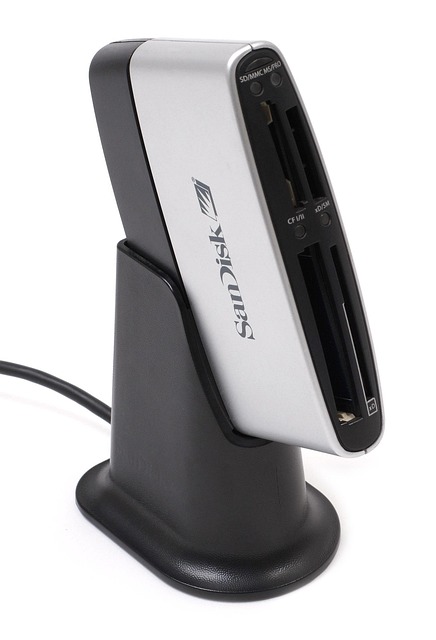
When investors search for “SanDisk stock” today, they encounter an interesting piece of technology sector history. SanDisk Corporation, once a publicly traded pioneer in flash memory storage solutions, no longer exists as an independent entity on the stock market. In 2016, Western Digital Corporation acquired SanDisk for approximately $19 billion, marking the end of SanDisk’s journey as a standalone publicly traded company. However, the story of SanDisk remains highly relevant for investors interested in the technology sector, semiconductor industry, and understanding how mergers and acquisitions can impact investment portfolios and passive income strategies.
This comprehensive guide will explore SanDisk’s history as a public company, analyze what happened to shareholders during the acquisition, examine Western Digital’s current investment potential as SanDisk’s successor, and provide practical strategies for investors interested in the flash memory and data storage sector.
The SanDisk Story: From Innovation to Acquisition
A Brief History of SanDisk
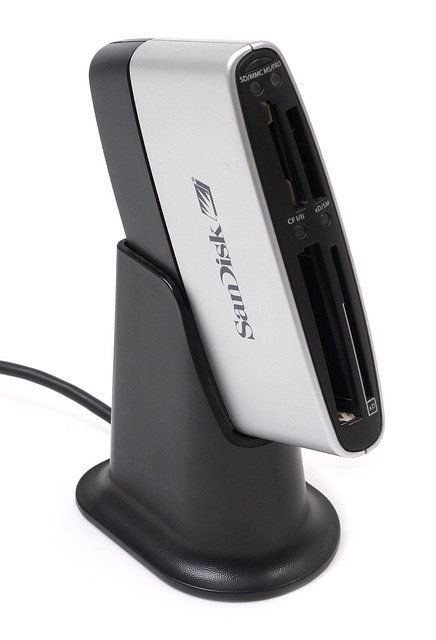
SanDisk Corporation was founded in 1988 by Dr. Eli Harari, Sanjay Mehrotra, and Jack Yuan. The company pioneered flash memory storage technology and became a household name through its memory cards, USB flash drives, and solid-state drives (SSDs). SanDisk went public in 1995 and traded on the NASDAQ under the ticker symbol “SNDK” until its acquisition in 2016.
Throughout its existence as a public company, SanDisk represented a pure-play investment in flash memory technology. The company benefited enormously from the digital revolution, as consumers and businesses required increasingly sophisticated storage solutions for cameras, smartphones, computers, and enterprise applications.
The Western Digital Acquisition
In October 2015, Western Digital announced its intention to acquire SanDisk for $86.50 per share in cash and stock, valuing the company at approximately $19 billion. The deal closed in May 2016, and SanDisk ceased to exist as an independent publicly traded company.
For investors who held SanDisk stock at the time of acquisition, this represented a significant premium over the trading price before the announcement. Shareholders received $86.50 per share—a combination of cash and Western Digital stock—representing a substantial return for many long-term investors.
What Happened to SanDisk Shareholders?
Understanding Merger Implications for Investors
When a publicly traded company gets acquired, shareholders typically have their shares converted according to the merger agreement terms. In SanDisk’s case, shareholders received a combination of cash and Western Digital stock. This type of acquisition has several implications for investors:
**Immediate Realization of Gains**: Shareholders who had held SanDisk stock at prices below $86.50 realized immediate gains. This can create tax consequences, as capital gains taxes may apply to the profits.
**Portfolio Restructuring**: Investors who received Western Digital stock suddenly owned shares in a different company with a different business model, risk profile, and growth prospects.
**Loss of Pure-Play Exposure**: SanDisk represented pure exposure to flash memory technology. After the merger, investors owned Western Digital, which has a more diversified storage business including traditional hard disk drives (HDDs).
The Passive Income Perspective
From a passive income standpoint, the SanDisk acquisition presented interesting dynamics. SanDisk itself did not pay dividends during most of its public existence, focusing instead on reinvesting profits into research and development. However, Western Digital has historically paid dividends, meaning former SanDisk shareholders who received WDC stock gained a dividend-paying security.
This transition highlights an important consideration for passive income investors: company acquisitions can fundamentally change the income-generating characteristics of your holdings.
Western Digital: The Current Investment Opportunity

Company Overview
Western Digital Corporation (NASDAQ: WDC) is now one of the world’s largest data storage companies. The acquisition of SanDisk transformed Western Digital from primarily an HDD manufacturer into a comprehensive storage solutions provider offering both traditional magnetic storage and modern flash memory products.
Today, Western Digital operates through several key segments:
**Flash-Based Products**: Including SSDs, memory cards, and USB flash drives (the former SanDisk business)
**Hard Disk Drives**: Traditional magnetic storage for personal computers, data centers, and enterprise applications
**Data Center Solutions**: Advanced storage systems for cloud providers and enterprise customers
Financial Performance and Dividend History
Western Digital’s financial performance has been cyclical, reflecting the commodity-like nature of the storage industry. The company faces pricing pressures, intense competition, and demand fluctuations tied to consumer electronics cycles and enterprise spending patterns.
**Dividend Considerations**: Western Digital has historically paid quarterly dividends, though the company suspended its dividend in 2020 during challenging market conditions and reinstated it in 2022. This volatility in dividend policy reflects the cyclical nature of the business and should be carefully considered by passive income investors.
**Revenue and Profitability**: The company generates tens of billions in annual revenue but experiences significant margin pressure due to commodity pricing dynamics in both HDD and flash memory markets.
Investment Thesis for Western Digital
Several factors make Western Digital potentially attractive to investors interested in the data storage sector:
**Data Growth Megatrend**: Global data creation continues growing exponentially, driven by cloud computing, artificial intelligence, IoT devices, and high-resolution media content. This secular trend supports long-term demand for storage solutions.
**Dual Technology Platform**: Western Digital’s exposure to both HDD and flash technologies provides diversification within the storage sector. While flash memory gains market share in many applications, HDDs remain cost-effective for massive data storage needs.
**Market Consolidation**: The HDD industry has consolidated to essentially three major players (Western Digital, Seagate, and Toshiba), potentially supporting more rational pricing behavior.
**Valuation Opportunities**: Western Digital often trades at relatively low valuation multiples during industry downturns, potentially offering attractive entry points for patient investors.
Investment Strategies for the Data Storage Sector
Direct Stock Investment Approach
For investors specifically interested in the data storage sector following SanDisk’s acquisition, several strategies merit consideration:
**Western Digital Long-Term Holdings**: Investors can purchase Western Digital stock directly, gaining exposure to the combined business that includes the former SanDisk operations. This approach works best for investors with long time horizons who can weather industry cycles.
**Dollar-Cost Averaging**: Given the cyclical nature of the semiconductor and storage industries, systematically investing fixed amounts at regular intervals can help smooth out volatility and potentially improve average purchase prices.
**Cyclical Trading Strategy**: More active investors might attempt to buy Western Digital during industry downturns when prices are depressed and sell during recovery phases. However, this approach requires significant research, market timing skill, and risk tolerance.
Diversified Semiconductor Exposure
Rather than concentrating exclusively on Western Digital, investors might consider broader semiconductor or technology exposure:
**Semiconductor ETFs**: Exchange-traded funds like the VanEck Semiconductor ETF (SMH) or iShares Semiconductor ETF (SOXX) provide diversified exposure to the chip industry, including memory and storage companies.
**Technology Sector Funds**: Broader technology funds include storage companies alongside software, hardware, and service providers, reducing concentration risk.
**Competitor Analysis**: Investors might also research companies like Micron Technology (memory chips), Seagate Technology (HDD competitor), or Samsung (which has significant flash memory operations) to identify alternative or complementary investments.
Passive Income Strategies
For investors focused on generating passive income from technology sector investments:
**Dividend-Paying Tech Companies**: While Western Digital offers dividend potential, investors should diversify across multiple dividend-paying technology companies to reduce concentration risk. Companies like Cisco, IBM, and Texas Instruments have longer, more consistent dividend histories.
**Covered Call Writing**: Investors holding Western Digital stock might generate additional income by selling covered call options, though this strategy requires options trading knowledge and acceptance of potential upside limitations.
**Technology Dividend ETFs**: Funds specifically focused on dividend-paying technology companies provide instant diversification while generating regular income distributions.
**Balance with Stable Income Sectors**: Given technology sector volatility, passive income investors should balance storage and semiconductor holdings with more stable income-generating sectors like utilities, real estate investment trusts (REITs), and consumer staples.
Practical Tips for Investing in Data Storage Companies

Research and Due Diligence
**Understand Industry Cycles**: The storage industry experiences pronounced boom-and-bust cycles driven by supply-demand imbalances, technological transitions, and end-market demand fluctuations. Successful investors recognize where the industry sits in its cycle.
**Monitor Pricing Trends**: Flash memory and HDD prices significantly impact profitability. Track industry reports on NAND flash pricing, bit shipments, and storage capacity trends to understand revenue and margin pressures.
**Follow Technology Transitions**: Major technology shifts (like the transition from HDDs to SSDs) create both opportunities and risks. Companies successfully navigating these transitions tend to outperform.
**Analyze Financial Health**: Given industry cyclicality, scrutinize balance sheets carefully. Companies with manageable debt loads and strong liquidity positions better weather downturns.
Risk Management
**Position Sizing**: Given the volatility inherent in semiconductor and storage stocks, limit individual positions to appropriate percentages of your overall portfolio based on your risk tolerance.
**Stop-Loss Considerations**: Active investors might employ stop-loss orders to limit downside, though this approach may result in being stopped out during temporary volatility.
**Diversification**: Don’t concentrate exclusively in storage companies. Maintain exposure across sectors, geographies, and asset classes.
**Time Horizon Alignment**: Ensure your investment time horizon matches the volatility profile of storage stocks. These investments generally suit longer time horizons that can absorb cyclical downturns.
Staying Informed
**Earnings Reports**: Quarterly earnings releases provide crucial updates on demand trends, pricing environments, and company-specific execution.
**Industry Publications**: Follow semiconductor industry publications and analysts who specialize in memory and storage markets.
**Technology Trends**: Monitor broader technology trends affecting storage demand, including cloud computing adoption, AI/machine learning development, and consumer electronics innovation.
**Competitor Developments**: Track competitive dynamics, including new product launches, capacity expansions, and technological breakthroughs from competitors.
The Future of Data Storage Investment
Emerging Trends and Opportunities
Several emerging trends may influence future investment opportunities in the data storage sector:
**AI and Machine Learning**: Artificial intelligence applications require massive data storage and processing capabilities, potentially driving sustained demand growth for both flash memory and HDDs.
**Edge Computing**: As computing moves closer to data sources, distributed storage solutions gain importance, potentially creating new market opportunities.
**Next-Generation Memory Technologies**: Technologies like 3D NAND, QLC (Quad-Level Cell) flash, and emerging memory types could disrupt current market dynamics.
**Cloud Storage Growth**: Continued migration to cloud infrastructure drives massive data center storage demand, benefiting companies with strong enterprise and data center product portfolios.
Potential Risks and Challenges
**Technology Disruption**: New storage technologies could render current solutions obsolete more quickly than expected.
**Geopolitical Factors**: Trade tensions, particularly between the United States and China, create uncertainty for semiconductor companies with global operations and supply chains.
**Capital Intensity**: Manufacturing advanced storage products requires enormous capital investments, pressuring returns and creating barriers to profitability during downturns.
**Pricing Volatility**: Storage products often experience commodity-like pricing behavior, with oversupply situations causing prolonged price declines that devastate profitability.
Building a Passive Income Portfolio with Technology Exposure
Balancing Growth and Income
For investors seeking to generate passive income while maintaining exposure to growth sectors like data storage and technology:
**Core Income Holdings**: Establish a foundation of reliable dividend payers from stable sectors (utilities, consumer staples, REITs) that provide consistent income regardless of economic conditions.
**Technology Income Layer**: Add dividend-paying technology companies, including Western Digital, to capture growth potential while generating some income. Accept that these dividends may be less consistent than core holdings.
**Growth Allocation**: Reserve a portion of your portfolio for pure growth investments in technology companies that reinvest all profits rather than paying dividends. These holdings provide capital appreciation potential.
**Regular Rebalancing**: Periodically rebalance to maintain target allocations, taking profits from outperforming growth positions and reinvesting in income-generating assets.
Income Reinvestment Strategy
**Dividend Reinvestment Plans (DRIPs)**: Automatically reinvest dividends from Western Digital and other holdings to compound returns over time without transaction costs.
**Strategic Redeployment**: Alternatively, collect dividends in cash and strategically redeploy them to undervalued opportunities or to rebalance portfolio allocations.
**Tax Efficiency Considerations**: Hold dividend-paying stocks like Western Digital in tax-advantaged accounts (IRAs, 401(k)s) when possible to defer or eliminate taxes on dividend income.
Conclusion
While SanDisk stock no longer trades independently, the company’s legacy lives on through Western Digital Corporation. For investors who owned SanDisk shares, the 2016 acquisition represented a successful investment outcome, with shareholders receiving a substantial premium. Today, those interested in the flash memory and data storage sector can invest in Western Digital to gain exposure to the business that SanDisk built.
Western Digital offers an investment opportunity in a company positioned at the intersection of several powerful technology megatrends, including data growth, cloud computing, and artificial intelligence. However, investors must recognize the cyclical nature of the storage industry, the volatility inherent in semiconductor businesses, and the commodity-like pricing dynamics that can pressure profitability.
For passive income investors, Western Digital provides dividend potential, though its dividend history includes suspension and reinstatement, reflecting industry cyclicality. A balanced approach that combines Western Digital or similar technology holdings with more stable income generators from other sectors typically serves passive income goals more reliably than concentrated positions.
Successful investment in the data storage sector requires patience, thorough research, understanding of industry dynamics, and appropriate risk management. Whether you’re seeking growth, income, or a combination of both, the key principles remain consistent: diversify appropriately, understand what you own, align investments with your time horizon and risk tolerance, and maintain discipline through inevitable market cycles.
The SanDisk story ultimately demonstrates that even successful technology companies may not remain independent indefinitely. Mergers and acquisitions are common in the technology sector, and investors must be prepared for portfolio changes when companies get acquired. However, for those who held SanDisk stock through its public existence, the company’s innovation, market position, and eventual acquisition provided substantial returns—a testament to the opportunities available to patient, informed investors in the technology sector.