
SLV is an important subject that many people are interested in learning about. The iShares Silver Trust (SLV) has emerged as one of the most actively traded exchange-traded funds in the precious metals space, offering investors direct exposure to silver price movements without the complexities of physical ownership.
Understanding the Basics
The iShares Silver Trust, trading under the ticker symbol SLV, represents one of the largest silver-backed ETFs in the world. Each share of SLV corresponds to a fractional ownership of physical silver bullion stored in secure vaults. This structure allows everyday investors to participate in silver price movements through their standard brokerage accounts, eliminating the need for physical storage, insurance, and security concerns that come with owning actual silver bars or coins.
Silver has historically served dual purposes in the global economy. First, it functions as a precious metal and store of value, similar to gold. Second, it plays a critical role as an industrial metal, with applications spanning electronics, solar panels, medical devices, and electric vehicles. This dual nature creates unique supply and demand dynamics that differentiate silver from purely monetary metals.
The recent rally toward $75 silver has captured significant attention from both institutional and retail investors. Several factors are driving this momentum, including increasing industrial demand from the green energy transition, persistent inflation concerns, central bank monetary policies, and growing recognition of silver’s undervaluation relative to gold. The gold-to-silver ratio, which historically averages around 50-60, has at times exceeded 80, suggesting silver may have substantial room for appreciation.
Understanding SLV’s structure is essential for investors. The trust holds physical silver and issues shares that track the spot price of silver minus the fund’s expense ratio of 0.50% annually. Unlike futures-based ETFs, SLV does not suffer from contango or rollover costs, making it a more straightforward vehicle for long-term silver exposure.

Key Methods
Step 1: Analyzing Silver Market Fundamentals
Before investing in SLV, conducting thorough fundamental analysis is crucial. Start by examining global silver supply and demand statistics published by organizations like the Silver Institute. Annual mining production, recycling volumes, and above-ground stockpiles represent the supply side, while industrial fabrication, jewelry demand, and investment purchases constitute demand.

Pay particular attention to the supply deficit that has emerged in recent years. Silver mining production has plateaued while industrial demand, particularly from photovoltaic solar panel manufacturing, has surged dramatically. Each solar panel requires approximately 20 grams of silver, and with global solar installations growing exponentially, this demand sector alone could consume a significant portion of annual production.
Monitor central bank policies and real interest rates, as silver often performs well when real rates are negative or declining. Track the U.S. dollar index since silver, like most commodities, is priced in dollars and tends to move inversely to dollar strength. Review commitment of traders reports to understand positioning by commercial hedgers and speculative traders.
Step 2: Technical Analysis and Entry Points
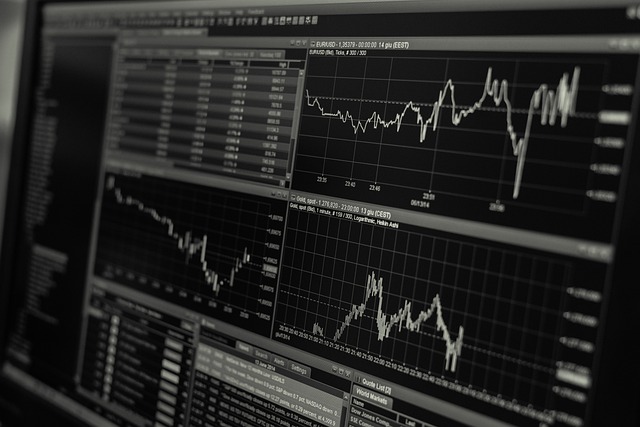
Technical analysis provides valuable insights for timing SLV purchases and sales. Study long-term price charts to identify major support and resistance levels. The $30 level has historically served as significant resistance, and breaking above this threshold often signals momentum for higher prices.
Use moving averages to identify trend direction. The 50-day and 200-day moving averages are particularly useful for determining whether silver is in a bull or bear market. A golden cross, where the 50-day crosses above the 200-day, often signals bullish momentum, while a death cross suggests caution.
Volume analysis confirms price movements. Strong rallies accompanied by increasing volume suggest genuine buying interest, while advances on declining volume may indicate weakening momentum. Relative strength indicators help identify overbought or oversold conditions that might precede short-term reversals.

Step 3: Portfolio Allocation and Risk Management
Determining appropriate SLV allocation requires careful consideration of your overall investment objectives, risk tolerance, and time horizon. Most financial advisors suggest limiting precious metals exposure to 5-15% of a diversified portfolio. Conservative investors might stay at the lower end, while those with higher risk tolerance and strong conviction in the silver thesis might allocate more.
Consider dollar-cost averaging rather than making large lump-sum purchases. Regular investments smooth out price volatility and reduce the risk of buying at short-term peaks. This approach is particularly suitable for volatile assets like silver, which can experience significant price swings.
Practical Tips
**Tip 1: Monitor the Gold-Silver Ratio**
The gold-silver ratio measures how many ounces of silver it takes to purchase one ounce of gold. When this ratio is historically high (above 70-80), silver is considered undervalued relative to gold. Savvy investors watch this metric to time rotations between gold and silver investments. During periods of extreme ratios, some investors swap their gold holdings for silver, anticipating mean reversion that could provide outsized returns when silver outperforms.
**Tip 2: Understand Tax Implications**
SLV is structured as a grantor trust, which means gains are taxed as collectibles rather than regular capital gains. The maximum long-term capital gains rate for collectibles is 28%, higher than the 15-20% rate for most stocks. This tax treatment makes tax-advantaged accounts like IRAs particularly attractive for holding SLV positions. Consult with a tax professional to optimize your precious metals investment strategy.
**Tip 3: Track Industrial Demand Trends**
Stay informed about developments in industries that consume significant amounts of silver. The electric vehicle revolution, 5G infrastructure buildout, and solar energy expansion all require substantial silver inputs. Following news and research reports about these sectors provides leading indicators for silver demand trends that may not yet be reflected in prices.
**Tip 4: Consider Physical Silver as Complement**
While SLV offers convenience and liquidity, some investors prefer holding a portion of their silver allocation in physical form. Physical silver provides direct ownership without counterparty risk and can serve as crisis insurance. A balanced approach might include SLV for trading flexibility and physical silver coins or bars for long-term wealth preservation.
**Tip 5: Watch for Premium Expansion and Contraction**
During periods of high physical demand, premiums for silver coins and bars above spot prices can expand significantly. While SLV tracks spot prices, monitoring physical premiums provides insight into retail investor sentiment and potential supply constraints. Extreme premiums often coincide with market bottoms when fear and demand peak simultaneously.
Important Considerations
Investing in SLV carries specific risks that require careful attention. Silver is significantly more volatile than gold, often moving two to three times as much on a percentage basis during market swings. This volatility can result in substantial short-term losses, making position sizing and risk management critical.
The ETF structure introduces counterparty risks. While SLV holds physical silver, investors must trust the custodian and trust structure. Review the prospectus to understand exactly how the fund operates, where silver is stored, and what protections exist for shareholders. Some investors prefer allocated storage programs that provide direct ownership verification.
Expense ratios gradually erode returns over time. The 0.50% annual fee means SLV will slightly underperform spot silver prices over extended holding periods. For very long-term investors, this drag becomes more significant and should factor into return expectations.
Silver markets can experience significant manipulation concerns. The concentrated nature of silver trading and relatively small market size compared to gold makes it potentially susceptible to large trader influence. Stay informed about regulatory developments and market structure issues that could affect fair price discovery.
Conclusion
SLV represents an accessible and liquid method for investors to gain exposure to silver’s potential appreciation. The convergence of increasing industrial demand, particularly from green energy applications, combined with supply constraints and monetary policy uncertainty, creates a compelling backdrop for silver investment.
Success with SLV requires disciplined research, appropriate position sizing, and realistic expectations about volatility. By understanding both the opportunities and risks, investors can make informed decisions about incorporating silver exposure into their portfolios.
Whether silver reaches these lofty projections or not, maintaining a diversified approach and avoiding over-concentration in any single asset remains paramount. SLV can serve as a valuable portfolio component when sized appropriately and held with clear investment objectives in mind. Continue educating yourself about precious metals markets, stay patient during inevitable corrections, and maintain discipline in your investment approach.